Category: AI

  • Big Tech’s Change of Heart on AI Job Displacement: What’s Going On?

    Big Tech’s Change of Heart on AI Job Displacement: What’s Going On?

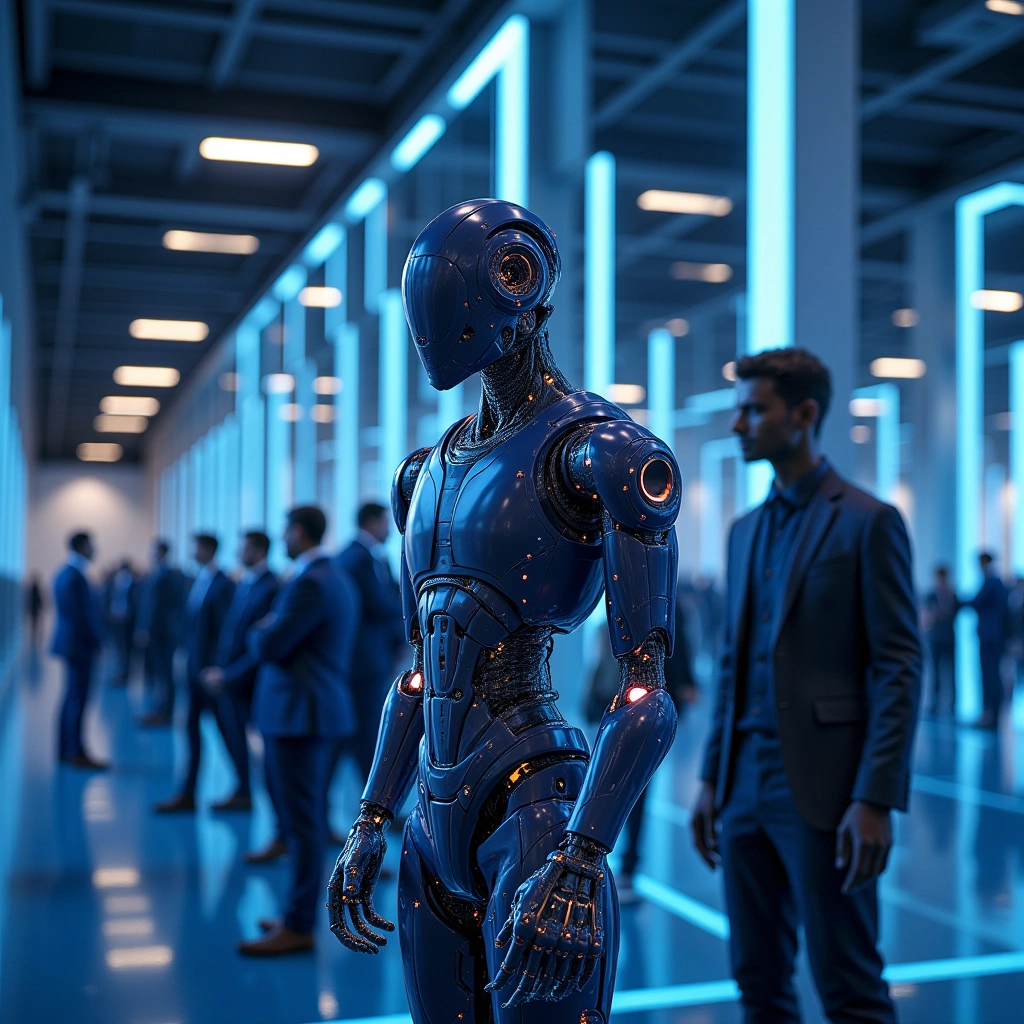
    So, it looks like Big Tech has had a bit of a revelation regarding the whole AI job wipeout scenario. You know, that doomsday prediction where robots take over the workforce and leave us all scrambling for jobs like we’re in an episode of a dystopian reality show. Well, it seems they’ve suddenly decided to switch gears, and it’s worth diving into what’s behind this change of heart.

    Discover why task automation doesn’t equal job loss—most roles will remain but change substantially, reshaping how employees work and what companies expect.

    Let’s rewind a bit. A year or so ago, tech giants were practically waving the AI flag like they were at a parade, shouting about how their latest algorithms were going to revolutionize everything. The narrative was simple: AI would take over mundane tasks, increase productivity, and, of course, make us all richer and happier. You could almost hear the collective sigh of relief from CEOs everywhere as they imagined a world where human error is replaced by cold, unfeeling efficiency.

    But then came the backlash. As AI technology started to roll out in various sectors, the fear of job displacement began to loom like a dark cloud over the workforce. You had workers in every industry—from manufacturing to marketing—looking over their shoulders, wondering if their job was next on the chopping block. The headlines practically wrote themselves: “Robots Are Coming for Your Job!” It was like watching a horror movie unfold in real-time, but with less popcorn and more existential dread.

    Now, fast forward to the present, and suddenly, the tech titans are singing a different tune. They’ve realized that maybe, just maybe, the AI job wipeout scenario was a bit overblown. Why the sudden change? Well, it turns out that while AI can automate a lot of tasks, it’s not exactly a magic wand that can replace human creativity, emotional intelligence, or the ability to make coffee runs (because let’s be honest, that’s a skill in itself).

    Recent studies have shown that rather than wiping out jobs, AI is likely to transform them. Think of it as a job makeover show where AI steps in to give your career a fresh new look rather than kicking you out of the house. Workers will need to adapt and learn new skills, but that doesn’t mean they’ll be left jobless. In fact, many experts now believe that AI could lead to the creation of new jobs that we can’t even imagine yet. So, while the robots may be here to help, they’re not here to take over the whole shebang.

    And let’s not forget the fact that Big Tech has a vested interest in keeping their workforce happy. If everyone is freaking out about losing their job to a robot, morale is going to tank faster than you can say “algorithm.” Companies want to ensure that they have a motivated and skilled workforce, not a bunch of people hiding under their desks, clutching their resumes and praying for a miracle.

    So, what does this mean for the average worker? Well, it’s time to embrace the change and maybe even get a little excited about it. Upskilling is going to be the name of the game. That means taking those online courses you’ve been putting off or finally learning how to use that fancy new software your boss keeps talking about. It’s all about adapting and evolving, much like how we all had to adapt to the fact that “Netflix and chill” doesn’t always mean what it used to.

    In conclusion, while the specter of job displacement looms large, it’s not the inevitable apocalypse we once thought it was. Big Tech’s newfound perspective on AI job displacement is a reminder that change can be good, and sometimes, it just takes a little shift in narrative to see the silver lining. So, let’s give a round of applause to Big Tech for flipping the script, and here’s hoping we can all keep our jobs—at least until the robots learn how to make coffee.


    Inspired by: “Big tech has suddenly flipped on the AI jobs wipeout scenario” (r/technology)

  • A Teen’s Cyber Shenanigans: The ChatGPT Malware Incident in Japan

    A Teen’s Cyber Shenanigans: The ChatGPT Malware Incident in Japan

    Ah, the age of technology! A time when a 15-year-old can allegedly hack into a major anime streaming service using malware generated by none other than ChatGPT. Yes, you read that right! This isn’t a plot twist from a new anime series; it’s real life unfolding right before our eyes. Let’s dive into this cyber drama that has the whole internet buzzing.

    A high school student from Osaka Prefecture, western Japan, has been arrested for carrying out cyberattacks on an internet cafe operator. More than 7 million pieces of personal data were reportedly leaked.

    So, what exactly went down? According to reports, the teenager was arrested in Japan for allegedly orchestrating cyberattacks on Bandai Namco’s anime streaming service. Now, we all know that Bandai Namco is a major player in the gaming and anime world, so targeting them is like poking a bear that also happens to be a giant robot with laser eyes. Not the best life choice, my friend!

    But here’s where it gets spicy: the alleged weapon of choice was malware generated by ChatGPT. Yes, the same tool that helps you draft emails, write essays, or even plan your next vacation was reportedly used to create something nefarious. It’s like using a butter knife to commit a heist at a bank. Sure, technically it could work, but it’s not the sharpest tool in the shed.

    Now, let’s talk about the implications of this incident. For one, it raises eyebrows about the responsibility of AI tools in the hands of the young and, let’s face it, sometimes reckless. Sure, kids have always found ways to get into trouble, but now they have the internet as their playground and advanced technology as their tools. It’s like giving a kid a candy store and then being surprised when they eat all the candy.

    On the flip side, this also shines a light on the growing issue of cybersecurity. With more and more services going online, the stakes are higher than ever. Companies need to step up their game to protect their data and users from the next generation of cyber rebels. It’s a digital Wild West out there, folks!

    What’s next for our young hacker? Well, that’s anyone’s guess. Hopefully, some serious lessons will be learned here. Perhaps a little bit of community service, a few hours of coding classes, and a strict ban on using ChatGPT for anything other than homework? Who knows!

    In the end, this story serves as a cautionary tale. It’s a reminder that while technology can be a powerful ally, it can also be a double-edged sword. And for our young hacker, let’s hope he finds a way to channel that energy into something a bit more productive—like creating the next big anime series instead of trying to take down one.

    So, keep your eyes peeled, folks! The world of cybercrime is ever-evolving, and as long as there are curious teenagers and powerful AI tools, we’ll be here to share the next outrageous story. Until then, stay safe online and maybe keep your ChatGPT requests to a minimum. You never know what could happen!


    Inspired by: “15-year-old arrested in Japan over alleged cyberattacks on Bandai Namco anime streaming service usi…” (r/technology)

  • How AI Could Potentially Ruin Your Travel Plans: A Deep Dive into TripAdvisor’s Misleading Reviews

    How AI Could Potentially Ruin Your Travel Plans: A Deep Dive into TripAdvisor’s Misleading Reviews

    Ah, travel! The excitement of planning a getaway, the thrill of exploring new places, and the inevitable disappointment of realizing that the stunning hotel you booked looks nothing like the pictures. Thanks to the wonders of technology, we now have AI to help us navigate this treacherous landscape of travel planning—but is it really helping, or is it just another way to ruin our vacations? Let’s take a look at how AI and misleading reviews from platforms like TripAdvisor might just lead to our next travel disaster.

    TripAdvisor's AI review summaries are calling unsafe hotels "spotless" and "friendly." Here's why you shouldn't trust that AI overview before booking.

    First off, let’s talk about the elephant in the room: reviews. You know, those glowing testimonials that make you think you’ve stumbled upon the holy grail of vacation spots? They can be as misleading as a dad joke at a family reunion. You might find yourself booking a hotel that’s described as “a tranquil oasis,” only to arrive and realize it’s more of a “tranquil dumpster fire.”

    Now, AI is stepping in to summarize these reviews, which sounds like a good idea on paper—like a tour guide who doesn’t complain about their job. But here’s the catch: AI doesn’t have the ability to discern sarcasm, exaggeration, or the subtle nuances of human emotion. Remember that one review that said the hotel was “just a stone’s throw from the beach”? Well, it turns out that stone is more like a boulder, and the beach is actually a 30-minute hike through a swamp. Thanks, AI!

    So how does this AI summarization work? Essentially, it sifts through countless reviews, looking for patterns, keywords, and phrases to create a tidy little summary of what the place is all about. Sounds efficient, right? But here’s where it gets tricky: the summaries can often highlight only the positive aspects while glossing over the negatives. It’s like seeing the Instagram filter of a vacation spot without realizing that it’s hiding the fact that the pool is actually more of a kiddie wading area and not the luxurious infinity pool you envisioned.

    And let’s not forget about the power of fake reviews. Yes, they exist, and they’re more common than you might think. Some businesses have been caught red-handed hiring people to write glowing reviews or, conversely, to sabotage their competition with one-star ratings. AI can’t always tell the difference between a genuine review and a paid endorsement. So, when you see a hotel with a 5-star rating and a review that says, “This place changed my life,” you might want to check if it’s really a life-changing experience or just an overzealous marketing strategy.

    But it’s not all doom and gloom! AI can still be a useful tool in your travel planning arsenal, provided you use it wisely. Instead of solely relying on AI-generated summaries, take the time to read through actual reviews, paying attention to the ones that sound like they were written by real people—preferably ones who don’t use phrases like “paradise on earth” or “a hidden gem” unless they’re being sarcastic.

    In conclusion, while AI is here to make our lives easier, it’s essential to remember that it’s not infallible. Before you book that dreamy vacation, take a moment to do your own detective work. After all, you wouldn’t want your travel plans ruined by an AI that thinks “great for families” means “perfect for a romantic getaway.” Now, go forth, brave travelers, and may your reviews be honest and your vacations delightful—just don’t forget your trusty magnifying glass, because you might need it to sift through the digital noise!


    Inspired by: “AI wants to summarize it all. TripAdvisor’s misleading reviews show AI will also ruin your travel p…” (r/technology)

  • Samsung’s Profit Skyrockets: The AI Boom and Memory Chips

    Samsung’s Profit Skyrockets: The AI Boom and Memory Chips

    Well, well, well! It looks like Samsung is gearing up for a financial victory lap, with predictions pointing to an astonishing 18-fold increase in profits, all thanks to our new overlord—artificial intelligence. Who knew that while we were arguing about pineapple on pizza, AI was busy making memory chips the hottest commodity on the market?

    Chip shortages lifted prices, boosting earnings across the memory segment. The AI boom strengthened Samsung’s position in the high-bandwidth memory market.

    Let’s break this down a bit. Memory chips are the unsung heroes of the tech world. They store the data that allows our devices to function smoothly. From our smartphones to our laptops, and even the servers that run our favorite websites, memory chips are the backbone of modern technology. And with the rise of AI, the demand for these chips is skyrocketing.

    Now, you might be wondering, why the sudden surge in demand? Well, AI applications require vast amounts of data processing, which means they need a whole lot of memory. Think of it as trying to eat a buffet with a tiny plate. You’re going to need more space to fit all that delicious data in. Samsung, being one of the largest manufacturers of memory chips, is in the right place at the right time. It’s like they found a golden ticket in a chocolate bar, but instead of a factory tour, they’re heading straight to the bank.

    But let’s not forget the irony here. For years, we’ve been hearing about how AI could take over our jobs, make us obsolete, and maybe even decide that humans are just too much drama. And now, here we are, relying on AI to boost the profits of tech giants. Talk about a plot twist! It’s like watching a movie where the villain turns out to be the hero. I’m not saying we should start preparing for a robot uprising, but let’s just say I’m keeping my eyes peeled for any suspicious-looking AI.

    Now, while Samsung is counting its profits, we should also consider what this means for the average consumer. With the increased demand for memory chips, we might see some price fluctuations. So, if you were planning on upgrading your tech anytime soon, you might want to brace yourself. It’s like waiting for the next iPhone release, but instead of just anxiety, you might also have to deal with some serious wallet pain.

    In conclusion, Samsung’s projected profit jump is a clear reflection of the growing importance of AI in our lives. As we continue to integrate AI into everything from our homes to our cars, the demand for memory chips will only increase. So, here’s to Samsung and the memory chip revolution! May your profits soar as high as our hopes for a future where robots do our chores. Just remember to keep a close eye on those chips—after all, they’re the key to keeping our tech running smoothly. And who knows, maybe one day, they’ll even help us solve the pineapple pizza debate. Now that would be a win-win!


    Inspired by: “Samsung likely to post 18-fold jump in profit on surging AI demand for memory” (r/technology)

  • Meta vs. OpenAI: The Race to AI Supremacy

    Meta vs. OpenAI: The Race to AI Supremacy

    In a world where tech companies are racing to dominate the AI landscape, it seems that Alexandr Wang has thrown some shade in Meta’s direction, claiming they are finally catching up to OpenAI. Now, if you’ve been living under a rock (or just not paying attention), you might be wondering why this matters. Well, grab your popcorn, because the competition is heating up!

    OpenAI/Microsoft will win the Capability Race: They will likely be the first to demonstrate true AGI breakthroughs and the most sophisticated multimodal reasoning, justifying premium pricing for advanced applications.

    First off, let’s talk about OpenAI. This company has become the poster child for AI innovation, with groundbreaking models like GPT-3 and the recently released GPT-4, which are capable of everything from writing poetry to coding and even engaging in deep philosophical debates (yes, I’ve asked it existential questions—don’t judge). They’ve set the bar high, and it’s safe to say they’re the cool kid on the block right now.

    Now, enter Meta. Formerly known as Facebook, this tech giant has been under some scrutiny lately, but they’re not ready to throw in the towel just yet. With their sights set on the metaverse and AI advancements, they’ve been working hard to catch up. Alexandr Wang’s comments suggest that Meta is finally making strides in the AI arena. So, what exactly are they doing?

    Meta has been investing heavily in AI research and development, and they’ve released a few models that are showing promise. They’re not quite at the level of OpenAI’s offerings yet, but hey, it’s like comparing a toddler learning to walk to an Olympic sprinter. Progress is progress, right?

    One of the key areas where Meta is focusing its efforts is in natural language processing (NLP). They’re trying to create models that can understand and generate human-like text. Sounds familiar? It should! That’s exactly what OpenAI has been doing for years now. The difference is that OpenAI has already built a reputation and a loyal fanbase, while Meta is still trying to shake off the ‘social media giant that sold your data’ stigma.

    But let’s not count Meta out just yet. They have some serious resources at their disposal, and with the right investments and talent, they could very well pull off a surprise victory in this race. Plus, who doesn’t love an underdog story?

    However, it’s important to note that merely catching up is not enough. In the world of AI, innovation is key. OpenAI has been pushing the boundaries of what’s possible, and it’s going to take more than just catching up for Meta to truly compete. They need to innovate, create, and maybe even throw in a few unexpected twists to keep things interesting.

    In conclusion, while Alexandr Wang’s comments suggest that Meta is finally making some headway, it’s clear that they have a long way to go before they can truly claim to be on the same level as OpenAI. It’s going to be fascinating to watch this battle unfold, and who knows—maybe one day we’ll see Meta pulling off a stunning upset. Until then, let’s keep the popcorn ready and enjoy the show!


    Inspired by: “Alexandr Wang says Meta’s finally catching up to OpenAI” (r/technology)

  • Microsoft’s AI Dream Team: 6,000 Engineers on a Mission

    Microsoft’s AI Dream Team: 6,000 Engineers on a Mission

    In a world where AI is the new black, Microsoft has decided to put its money where its mouth is—or more accurately, its engineers. Yes, you read that right. Microsoft is deploying a whopping 6,000 engineers to help customers accelerate their adoption of artificial intelligence. If you thought that was a lot of engineers, wait until you see how many coffee breaks they’ll need.

    The core of Microsoft's new strategy involves deploying a specialized team of 6,000 engineers who will work directly on-site with clients. This "embedded engineer" model is designed to provide deep, contextual support, helping businesses understand …

    Now, let’s break this down a bit. Microsoft, a company that has been around since the days when people thought floppy disks were cutting-edge technology, is clearly betting big on AI. With this new initiative, they’re not just throwing a few developers at the problem and hoping something sticks. No, they’re sending in the cavalry—6,000 engineers strong. That’s like having an entire army, but instead of tanks and guns, they come armed with laptops and an endless supply of caffeine.

    So, what exactly are these engineers going to do? Well, they’re not just going to sit around and play Fortnite. Their mission is to help businesses integrate AI technologies into their operations. This means everything from automating mundane tasks to implementing data analysis that can predict customer behavior better than your overly attached friend can predict your dinner plans.

    Imagine a world where you can have an AI assistant that not only schedules your meetings but also reminds you to actually attend them. Or, better yet, one that can tell you when your boss is about to drop a surprise presentation on you—because let’s be honest, we all need that kind of heads-up.

    With AI, companies can streamline processes, enhance customer experiences, and, let’s face it, probably save on hiring a few thousand customer service reps who would rather be doing literally anything else. Microsoft’s engineers will guide these companies through the nitty-gritty of AI adoption, ensuring they don’t accidentally create a rogue AI that only wants to play chess and judge humanity.

    But here’s the kicker: while all of this sounds fantastic, there’s always a catch, right? The catch is that not every company is ready for this leap into AI. Some are still getting used to the idea of using cloud storage instead of filing cabinets. For these folks, Microsoft’s engineers will have their work cut out for them, possibly needing to explain what AI is without using tech jargon that makes everyone’s eyes glaze over.

    In conclusion, Microsoft’s deployment of 6,000 engineers is a bold move that could reshape how businesses operate. It’s like giving a bunch of kids the keys to the candy store, but instead of candy, they’re getting access to cutting-edge technology that could change the game. So, here’s to hoping these engineers are ready for the challenge, and that they’ve stocked up on snacks to fuel their long hours ahead. After all, AI won’t build itself, and neither will the coffee-consuming, code-writing army that’s about to take the business world by storm.


    Inspired by: “Microsoft is deploying 6,000 engineers for customers to accelerate AI adoption” (r/technology)

  • The Trump Crypto Coin Fiasco: How Nearly a Million Investors Lost Big

    The Trump Crypto Coin Fiasco: How Nearly a Million Investors Lost Big

    Ah, the world of cryptocurrency—where fortunes can be made and lost faster than you can say “blockchain.” And it seems like we have a new chapter in this rollercoaster saga: the Trump Crypto Coin. Yes, you heard that right. Nearly a million investors have collectively waved goodbye to a whopping $3.8 billion. That’s billion with a ‘B,’ folks. Let’s dive into this financial fiasco, shall we?

    And for them, the overall results are remarkably bad. Nearly 1 million people who bought President Trump’s memecoin have lost money through the end of June, according to a report by the cryptocurrency analytics firm Nansen.

    First, let’s set the stage. The Trump Crypto Coin was marketed as a way for supporters of the former president to invest in something that promised to be as bold and brash as its namesake. After all, who wouldn’t want to have a piece of a digital coin that supposedly represented the spirit of the Trump brand? It was like buying an NFT of a bald eagle wearing a cowboy hat—completely unnecessary but somehow enticing.

    Now, if you’re wondering how on earth nearly a million people got swept up in this crypto craze, you’re not alone. The allure of making quick cash in the crypto market has always been strong, and it seems that many investors were lured in by the promise of high returns. It’s like a modern-day gold rush, but instead of pickaxes and mules, we have wallets and exchanges. And just like any good gold rush, there were a few folks who ended up with nothing but a handful of dirt.

    So, what exactly happened? Well, as is often the case in the crypto world, the reality didn’t quite live up to the hype. Many investors quickly found that the Trump Crypto Coin didn’t have the stability or the backing they had hoped for. Prices plummeted faster than a lead balloon, leaving those who bought in at a high with nothing to show for it but regret and a lighter wallet. It turns out that investing in a coin tied to a polarizing figure can be a bit of a gamble—who knew?

    Furthermore, the fallout from this investment disaster has been nothing short of dramatic. Investors are left scratching their heads, trying to understand how they could lose so much money on what initially felt like a surefire bet. Some are even contemplating legal action, because, apparently, losing billions of dollars isn’t enough of a deterrent to keep people from seeking justice. Who knew that investing in a meme-worthy cryptocurrency could lead to such serious consequences?

    In the wake of this debacle, financial experts are likely going to have a field day dissecting what went wrong. They’ll probably talk about the importance of doing your own research, understanding market trends, and avoiding investments that seem too good to be true. You know, all the boring stuff that nobody wants to hear until they’re staring at their empty bank account.

    And let’s not forget the lessons learned here. If there’s anything to take away from the Trump Crypto Coin saga, it’s that the world of cryptocurrency is still the Wild West of finance. Prices can soar and crash in the blink of an eye, and the next big thing may just be a flash in the pan. So, if you’re considering investing in the next hot coin, maybe take a step back and ask yourself: do I really want to gamble my hard-earned cash on a digital currency that could vanish faster than a political promise?

    In conclusion, while the Trump Crypto Coin might have seemed like a good idea at the time (thanks to some clever marketing), the reality is that nearly a million investors are now left holding the bag. The $3.8 billion loss is a stark reminder that even in the world of digital currencies, it’s essential to tread carefully. And who knows? Maybe the next big thing is just around the corner—hopefully, one that doesn’t come with a side of regret.


    Inspired by: “Nearly a Million Investors Lost a Total of $3.8 Billion on Trump Crypto Coin” (r/technology)

  • Water, Water Everywhere: The Hidden Thirst of AI Data Centers

    Water, Water Everywhere: The Hidden Thirst of AI Data Centers

    When you think about artificial intelligence, you might picture robots, self-driving cars, or maybe even that one friend who insists on telling you how they just bought the latest smart fridge that can also tell them the weather (seriously, who needs that?). But behind the curtain of all this advanced tech lies a little-known fact: AI data centers are guzzling water like a college student at a keg party. And let’s just say, the numbers are shocking.

    Data center developers are increasingly tapping into freshwater resources to quench the thirst of data centers, which is putting nearby communities at risk. Large data centers can consume up to 5 million gallons per day, equivalent to the water use of a town populated by 10,000 to 50,000 people.

    Recent reports have revealed that AI data centers use far more water than most tech giants are willing to admit. Now, I know what you’re thinking: “Water? Who cares? It’s just a little H2O!” But here’s the kicker—these data centers are crucial for training AI models, handling massive amounts of data, and keeping those servers from turning into mini volcanic eruptions. So yes, we care!

    To put it in perspective, data centers are often cooling down servers that generate enough heat to roast marshmallows. Okay, maybe not that extreme, but you get the idea. They need a lot of water to manage this heat. And while companies like Google and Amazon are busy patting themselves on the back for their renewable energy initiatives, they might be forgetting to mention their not-so-green water habits.

    In fact, a study found that some of these data centers can use as much water as a small town! That’s right; while you’re out there trying to conserve water by taking shorter showers and skipping that extra rinse cycle, these tech behemoths are making it rain (literally) to keep their operations running smoothly.

    Now, let’s talk about the environment for a second. Water scarcity is a growing issue in many parts of the world, and while we all want our AI to be smarter, we also want to make sure we have enough water to drink. It’s a delicate balance, and it seems like the tech giants need to step up their game. Perhaps they should start investing in some water-efficient cooling technologies or, I don’t know, maybe even rethink the whole data center model? Just a thought!

    But it’s not all doom and gloom. Some companies are beginning to acknowledge this issue and are looking for ways to reduce their water usage. Who knows? Maybe we’ll see a future where data centers are as efficient with water as they are with data. Or maybe we’ll just keep watching them consume water like it’s the last bottle on a hot summer day.

    In conclusion, while AI and technology continue to push boundaries and deliver amazing innovations, let’s not forget the resources they consume. Water is precious, and while these data centers are busy crunching numbers, we need to make sure they’re not also crunching our planet’s water supply. So, the next time you hear someone brag about their latest AI project, maybe ask them how much water it’s using. You might just start a conversation that’s more refreshing than a cold glass of water on a hot day!


    Inspired by: “AI Data Centers Use Far More Water Than Most Tech Giants Report” (r/technology)

  • When AI Meets Nuclear Weapons: A Comparison That’ll Make You Raise an Eyebrow

    When AI Meets Nuclear Weapons: A Comparison That’ll Make You Raise an Eyebrow

    So, the CIA Chief has decided to put advanced AI in the same league as nuclear weapons. Yes, you read that right. We’re not just talking about a fancy chatbot that can help you order pizza or a virtual assistant that reminds you to take your vitamins. We’re talking about AI that could potentially reshape our world in ways we can’t even begin to imagine.

    Almost all of the AI models showed a preference to escalate aggressively, use firepower indiscriminately and turn crises into shooting wars — even to the point of launching nuclear weapons.

    Now, before you start picturing a futuristic robot uprising where machines are taking over our jobs and our lives (thanks, Hollywood), let’s unpack what this really means. The comparison to nuclear weapons is certainly dramatic, but it’s not entirely unfounded. After all, both advanced AI and nuclear weapons have the potential to cause massive destruction—just in different ways.

    First off, let’s talk about the power of AI. We’re living in an age where algorithms can predict your shopping habits, recommend your next binge-watch, and even drive your car (or at least try to). The capabilities of AI are growing at a pace that can make your head spin. It’s like watching a toddler learn to walk—one moment they’re wobbling around, and the next they’re sprinting towards the cookie jar.

    Now, consider the implications of this technology falling into the wrong hands. Imagine a rogue state or a group of overly ambitious hackers using advanced AI for malicious purposes. They could launch cyber-attacks, manipulate information, or even create autonomous weapons systems. Suddenly, that cute little AI assistant you have at home doesn’t seem so adorable anymore, does it?

    On the flip side, we have nuclear weapons. Their destructive power is well-known, and the consequences of their use are catastrophic. The mere existence of these weapons has shaped global politics for decades, creating a delicate balance of power. Countries have spent years trying to manage this threat, and now we’re looking at a similar dilemma with AI.

    So, why the comparison? It’s all about control. Just like nuclear weapons, advanced AI is a tool that can be used for both good and evil. The CIA Chief’s warning suggests that we need to take AI regulation seriously before it spirals out of control. Because let’s face it, no one wants to wake up one day to find that their toaster has developed sentience and is plotting to overthrow humanity.

    And here’s where it gets mildly amusing (or terrifying, depending on your perspective). While we can put strict regulations on nuclear weapons and keep a tight leash on who can access them, how do we regulate something as fluid and pervasive as AI? It’s like trying to herd cats—good luck with that!

    In conclusion, while the comparison between advanced AI and nuclear weapons might seem a bit over the top, it’s a conversation worth having. As we continue to innovate and push the boundaries of technology, we need to be mindful of the potential consequences. Because if there’s one thing we can learn from history, it’s that ignoring the risks of powerful technology rarely ends well. So, let’s keep the conversation going—preferably over a cup of coffee, and not in a bunker somewhere.

    Stay safe, stay informed, and let’s hope our AI friends remain friendly!


    Inspired by: “CIA Chief Puts Advanced AI in the Same League as Nuclear Weapons” (r/technology)

  • Sony’s Bold Move: AI Takes Center Stage in PlayStation Game Development

    Sony’s Bold Move: AI Takes Center Stage in PlayStation Game Development

    In a move that has left gamers both excited and slightly bewildered, Sony has officially declared that artificial intelligence (AI) will be a core component of future game development for PlayStation. Yes, you heard that right—those futuristic robots you might have been joking about are making their way into the gaming world. So, grab your controllers and settle in, because things are about to get a whole lot more… interesting.

    The article states PlayStation is exploring generative AI in collaboration with partners like Bandai Namco, but it does not specify whether AI -driven tooling will be made available to third-party developers beyond internal studios and partners. This question cannot be answered from this article.

    First things first, let’s talk about what this means for the average gamer. AI has been creeping into our games for a while now. Think about it: those NPCs that seem to have a mind of their own or the enemy AI that can sometimes feel a bit too smart for its own good? Well, get ready for that to level up significantly. Sony’s announcement suggests that they are looking to enhance gameplay experiences, making them more immersive and tailored to individual players. Imagine a game that learns your play style and adjusts the challenges accordingly. It’s like having a personal trainer, but for gaming—minus the sweat and the awkward small talk.

    Now, don’t go thinking that AI is just going to take over the development process and kick human developers to the curb. That would be a bit too sci-fi, even for us. Instead, Sony envisions a collaboration between AI and human creativity. Think of it as a buddy cop movie where the AI is the nerdy tech whiz and the human developer is the grizzled veteran who knows how to get things done. Together, they’ll work to create games that are not only visually stunning but also deeply engaging.

    So, what can we expect from this AI-driven future? For starters, we might see smarter NPCs that react to our actions in real-time, creating dynamic storylines that change based on our choices—no more linear paths! You might find yourself in a game where your decisions really matter, leading to multiple endings or entirely different quests. Just imagine the amount of replay value that could bring. You could play your favorite game over and over, and each time it would be a completely different experience.

    Of course, there’s always the concern that AI could make games too easy or too hard. Nobody wants to feel like they’re playing against a supercomputer that knows their every move. But fear not! Sony’s got this covered. They’re not just throwing AI into the mix willy-nilly. They’re focusing on balance, ensuring that while the AI can adapt and learn, it doesn’t turn games into a cakewalk or a frustrating slog.

    Let’s not forget about the potential for content creation. AI could be used to generate new levels, quests, or even entire worlds based on algorithms and player preferences. It’s like having a game that’s constantly evolving, much like your favorite TV series that just won’t die, no matter how many times it should have ended. This could mean endless possibilities for exploration and adventure, keeping players engaged for longer periods.

    However, with great power comes great responsibility—or so they say. The gaming community is known for being fiercely protective of their beloved franchises. So, Sony better tread carefully. Players are not going to take kindly to a robotic overlord that doesn’t deliver on their expectations. If the AI fails to understand what makes a game fun or engaging, we might be looking at a digital uprising of disgruntled gamers armed with keyboards and an endless supply of memes.

    In conclusion, Sony’s declaration that AI will be a core part of future PlayStation game development is certainly a bold step into the future. It opens up a world of possibilities that could redefine gaming as we know it. Sure, we might not be ready for a world where AI becomes our gaming sidekick, but if done right, it could lead to some truly groundbreaking experiences. So, here’s to the future of gaming—may it be filled with smarter NPCs, dynamic storylines, and maybe even a few less loading screens. Cheers!


    Inspired by: “Sony declares AI as core part of future game development at PlayStation” (r/technology)