Category: AI

  • Alberta’s AI Adventure: Rebuilding $2 Billion in Government Software, and Quebec’s Got FOMO

    Alberta’s AI Adventure: Rebuilding $2 Billion in Government Software, and Quebec’s Got FOMO

    So, Alberta is taking a leap into the future with a cool $2 billion project to revamp its government software using artificial intelligence. Yes, you heard that right – $2 billion! That’s not pocket change; that’s enough to fund a small country’s entire annual budget or, you know, a few really fancy coffee machines for government offices. And guess what? Quebec is ready to jump on the AI bandwagon too, because who doesn’t want to copy Alberta’s homework?

    Alberta is not waiting to solve … that modernizing its network of 1,280 applications and 3,400 code collections using conventional methods would cost roughly $2 billion and take more than a century to complete…

    Now, let’s break this down. Alberta’s government has realized that its software systems are about as outdated as dial-up internet. I mean, we’re talking about systems that probably still think floppy disks are cutting-edge technology. The plan is to rebuild these systems using AI, which sounds pretty fancy and futuristic, right? I can already picture robots in suits running around the government offices, making decisions faster than you can say “bureaucracy.”

    The goal is not just to slap a new coat of paint on the existing software but to completely overhaul the way government interacts with its citizens. Imagine a world where you don’t have to wait in line for hours just to renew your driver’s license. With AI, you might be able to do it online while still in your pajamas. That’s the dream, folks!

    But what’s in it for Quebec? Well, they’ve decided that watching Alberta do all the cool stuff is just too painful. So, they’ve signed on to copy this initiative. It’s like when you see your friend get a new phone and suddenly, yours feels like an ancient relic. Quebec is looking at Alberta and saying, “Hey, if they can do it, so can we!” It’s the classic case of keeping up with the Joneses, but in this case, the Joneses are Alberta’s tech-savvy government.

    Now, you might be wondering: what does this mean for you and me, the regular folks? In theory, it should mean a more efficient government that can respond faster to our needs. You’ll be able to access services with a few clicks instead of a few frustrating phone calls. And let’s be honest, who doesn’t want to avoid talking to a government employee when you can just chat with an AI? No offense to government employees, but sometimes it feels like they have a PhD in making things complicated.

    Of course, there are skeptics out there. Some people worry about how AI will handle all the sensitive information and whether it can really replace human intuition and empathy. I mean, can a robot truly understand the heart-wrenching struggle of waiting on hold for 45 minutes only to be told that the system is down? But hey, we’re living in an age where AI can beat humans at chess, so why not let it handle our taxes too?

    In short, Alberta is leading the charge into the brave new world of AI-enhanced government services, and Quebec is right behind them, ready to take notes. Let’s just hope they don’t end up with the same glitches that come with any new software. Because if the government systems crash, we might just find ourselves in the dark ages of paperwork and bureaucracy again. And nobody wants to go back to that!

    So, here’s to Alberta and Quebec for embracing technology and trying to make our lives a little easier. Who knows? Maybe one day we’ll look back on this and laugh at how we used to navigate government services like it was a maze. Until then, let’s just hope the robots know what they’re doing!


    Inspired by: “Alberta Is Using AI to Rebuild $2 Billion Worth of Government Software, and Quebec Just Signed On t…” (r/technology)


  • Apple Teams Up with Alibaba and Baidu: iPhone AI Gets the Green Light in China!

    Apple Teams Up with Alibaba and Baidu: iPhone AI Gets the Green Light in China!

    In a move that has tech enthusiasts buzzing like a swarm of bees around a honey pot, Apple has officially received the thumbs-up for integrating AI technology into its iPhones in China, thanks to a collaboration with Alibaba and Baidu. Yes, you heard that right! The land of dumplings, the Great Wall, and now, apparently, cutting-edge iPhone AI.

    Collaborating with Alibaba and Baidu provides Apple access to compliant AI models, improves service localization, and could enhance user experience within regulatory bounds.

    So, what does this mean? Well, for starters, Apple isn’t just taking a stroll through the tech park; they’re diving headfirst into the bustling Chinese market. This partnership is like a tech dream team—imagine if Batman teamed up with Superman but instead of fighting crime, they were working on making your iPhone smarter. With Alibaba and Baidu on board, Apple aims to enhance user experience through advanced AI capabilities. Because, let’s face it, who doesn’t want their phone to predict their coffee order before they even wake up?

    Now, you might be wondering why Apple chose these two giants. Alibaba, the e-commerce behemoth, knows a thing or two about online shopping and data analytics, while Baidu is the Google of China, specializing in search engines and AI. Together, they form a trio that could potentially revolutionize how we interact with our devices. Imagine Siri finally understanding your sense of humor—now that’s a miracle worth waiting for!

    But hold your horses! This partnership isn’t just about making our lives easier; it’s also about navigating the labyrinthine regulations of Chinese tech. The Chinese government has strict rules regarding data privacy and AI usage, so Apple is treading carefully here. They’re like a tightrope walker at the circus, balancing innovation with compliance. Let’s hope they don’t drop the ball because nobody wants to see an iPhone plummet from the heights of regulatory scrutiny.

    Moreover, this collaboration comes at a pivotal time. With the ongoing competition in the smartphone market, especially from local brands like Xiaomi and Huawei, Apple needs to pull out all the stops. They can’t just rely on their shiny logo and the fact that people will line up for hours to buy the latest model. No, they need to step up their game and offer something that makes consumers say, “Wow, I really need this in my life!”

    Of course, there are skeptics. Some are raising eyebrows, wondering if this AI integration will truly enhance user experience or if it’s just a fancy marketing gimmick to sell more iPhones. After all, how many times have we been promised that a new feature would change our lives, only to find out it was about as useful as a chocolate teapot? But let’s remain hopeful—after all, even Siri has to learn eventually, right?

    In conclusion, as Apple embarks on this exciting journey with Alibaba and Baidu, we can only sit back and watch how this unfolds. Will this partnership lead to groundbreaking innovations, or will it be another case of over-promising and under-delivering? Only time will tell, but one thing is for sure: the tech world is watching closely, and who knows? Your iPhone might just become your new best friend—or at least a better listener. Cheers to that!


    Inspired by: “Apple Gets Approval for iPhone AI in China With Alibaba, Baidu” (r/technology)

  • Is Chinese AI The New Economic Boogeyman? Insights from Palantir’s CTO

    Is Chinese AI The New Economic Boogeyman? Insights from Palantir’s CTO

    Have you heard the latest buzz in the tech world? It seems that Palantir’s CTO has decided to throw some shade at Chinese AI models, claiming they pose a significant economic risk to the good ol’ U.S. of A. Now, before you roll your eyes and dismiss this as just another tech bro rant, let’s unpack this a bit, shall we?

    Reading something like that makes me uneasy. Also, China seems ro be a great boogeyman for a lot of people. … From the article: Palantir CEO Alex Karp talks so much that you’d think that he just likes the sound of his own voice—though you wonder if he actually hears what he’s saying.

    First things first, who is Palantir? For those of you who might be living under a rock (or, you know, just not keeping up with Silicon Valley gossip), Palantir is a data analytics company that has been at the forefront of harnessing big data for various applications, ranging from national security to commercial enterprises. Their CTO, who likely has a few more degrees than the average bear, is sounding the alarm bells about the rapid advancements in AI coming out of China.

    So, what’s the deal? According to the CTO, these Chinese AI models are not just sophisticated algorithms; they could potentially outsmart the U.S. in various economic sectors. Imagine a scenario where your favorite tech gadgets, powered by AI, are suddenly being developed faster and cheaper overseas. It’s like watching a movie where the villain has a secret weapon that the good guys just can’t compete with. Spoiler alert: it rarely ends well for the heroes.

    Now, let’s talk about why this matters. The economic implications of AI are enormous. From automating jobs to optimizing supply chains, the impact of AI on the economy is akin to that of the internet in the late ’90s – remember that? It was a wild ride! If the U.S. falls behind in AI development, we could face some serious economic challenges. Think of it as a race where everyone is running at full speed, but suddenly a few competitors decide to strap on rocket boosters. Not exactly a fair race, right?

    Of course, this isn’t just about tech prowess; it’s also about national security. The CTO raised concerns that if Chinese AI models become dominant, they could influence not only the market but also the geopolitical landscape. Imagine AI systems that could potentially be used for surveillance or misinformation, and suddenly your neighborhood’s friendly AI assistant doesn’t seem so friendly anymore.

    But let’s not get too dramatic. While the concerns are valid, it’s important to remember that competition is what drives innovation. If the U.S. tech sector feels the heat, it might just spark a new wave of creativity and advancement. After all, who doesn’t love a good underdog story?

    So, what should we take away from this? Should we all start hoarding our tech gadgets and preparing for an AI apocalypse? Not quite! But this is a wake-up call for policymakers, businesses, and tech enthusiasts alike. It’s time to invest in AI research, support innovation, and maybe, just maybe, take a moment to appreciate the advancements we’ve made so far.

    In conclusion, while Palantir’s CTO might sound like he’s trying to make us all panic, the reality is that this is a pivotal moment for the future of technology. We need to keep our eyes on the prize, stay competitive, and remember that while AI might be the new economic frontier, it’s also a chance for us to show what we can really do. So, let’s not just sit back and watch the competition; let’s roll up our sleeves and get to work!

    And who knows? Maybe one day, we’ll look back at this moment as the time when we decided to take AI seriously. Or we’ll just blame it all on the robots. Either way, stay tuned!


    Inspired by: “Palantir’s CTO Sees Chinese AI Models Posing Economic Risk to US” (r/technology)

  • The Weekend of Protests: Why AI Data Centers Are Sparking Outrage

    The Weekend of Protests: Why AI Data Centers Are Sparking Outrage

    This weekend, it seems like the world is gearing up for an event that isn’t your typical music festival or sports game. Nope, instead, dozens of protests against AI data centers are hitting the streets, and let’s just say, the excitement is palpable.

    Dozens of protests are set to take place this weekend as people speak out against AI data centers.

    Now, if you’re wondering why a bunch of people are gathering to protest data centers—those gigantic buildings filled with blinking lights and humming machines that make our smartphones and Netflix binge-watching possible—you’re not alone. At first glance, it sounds like something that would only get a couple of tech enthusiasts riled up, right? But the truth is, the outcry against these data centers is about much more than just a few servers sitting in a warehouse.

    For starters, let’s talk about the environmental impact. It turns out, those data centers consume an absurd amount of electricity. We’re talking about enough power to run entire cities! So while you’re enjoying your late-night TikTok scroll, remember that there’s a data center somewhere guzzling energy like it’s the last drink at a frat party. Protesters are raising concerns about the carbon footprint and the strain on local power grids. Not exactly the kind of party vibe you want to be associated with, right?

    Then there’s the issue of water usage. Yes, these data centers need more than just electricity to keep their servers cool—they also require water. And in some regions, where water scarcity is already a significant concern, the last thing communities want is a bunch of servers hogging their precious resources. It’s like inviting a friend over for dinner and they finish all the food and drink before you even get a bite. Rude, am I right?

    But wait, there’s more! Local communities are also expressing their concerns about the economic implications of these data centers. While they might promise jobs, those positions often come with a catch. Many of the jobs are highly specialized and require advanced technical skills, leaving many locals in the dust. So, while a shiny new data center might create a few jobs, it might not be the kind of employment that helps the average Joe or Jane pay their bills.

    And let’s not forget about the infamous ‘not in my backyard’ (NIMBY) mentality. When it comes to AI data centers, many folks are saying, “Sure, we love the internet, but we don’t want those things popping up right next to our homes!” Who can blame them? Nobody wants a massive facility that looks like a spaceship parked outside their window.

    So, as protesters hit the streets this weekend, armed with signs and a passion for their cause, it’s clear that this isn’t just about a tech trend. It’s about the future of our communities, our environment, and how we want to balance technological advancements with the well-being of local residents.

    In a world where technology is advancing faster than a toddler can say ‘no,’ it’s essential for communities to have these conversations. Protests like the ones happening this weekend serve as a reminder that while we may love our gadgets and the conveniences they provide, we must also consider the implications of their infrastructure.

    So, whether you’re joining the protests or just watching from the sidelines with a bag of popcorn, remember: the debate over AI data centers is more than just tech talk. It’s about finding a balance between progress and preservation. And who knows, maybe we’ll all learn something in the process—like how to share our resources without turning into the bad guy in a bad sitcom.

    Stay tuned for updates, because this weekend promises to be anything but boring!


    Inspired by: “Dozens of protests against AI data centers set for this weekend” (r/technology)

  • Why American AI Is Expensive and Why Startups Are Eyeing Chinese Alternatives

    Why American AI Is Expensive and Why Startups Are Eyeing Chinese Alternatives

    If you’ve been keeping an eye on the tech scene, you might have noticed that American AI models are costing more than your average rent in San Francisco. Yes, folks, it’s true. While we’re all trying to save a few bucks on our morning coffee, startups are out there grappling with the hefty price tags that come with American AI solutions. So what’s a startup to do? If you guessed that they might turn to cheaper Chinese models, congratulations! You’ve just won the guessing game of the century.

    OpenRouter, another platform where startups can access a range of AI models, reported that use of China's DeepSeek has gone from around 9% to nearly 20% since January.

    Let’s break this down a bit. On one hand, you have American AI—those sleek, cutting-edge models that promise to revolutionize everything from healthcare to your social media feeds. But here’s the catch: they come with a price that could make your wallet weep. The development, maintenance, and infrastructure costs are sky-high, and for many startups, it’s like trying to buy a yacht when you’re on a fixed income.

    Now, on the other hand, we have Chinese AI models, which are rapidly gaining popularity for their affordability. Think of them as the discount store version of American AI—while they might not have the same fancy branding, they get the job done without breaking the bank. Some startups are finding that these models can provide the necessary capabilities without sending their financial department into a tailspin. Who knew saving money could be so… practical?

    But before you rush off to grab a Chinese AI model, let’s talk about the elephant in the room: quality and reliability. Just because something is cheaper doesn’t mean it’s better. It’s like buying a knock-off designer handbag—sure, it looks similar, but you might end up with a purse that unravels at the first sign of stress. Startups need to weigh the pros and cons carefully.

    There’s also the question of ethics. As more companies turn to Chinese AI, concerns about data security, privacy, and ethical implications start popping up like weeds in an untended garden. How do we ensure that our data is safe and that we’re not inadvertently supporting questionable practices? It’s a tough call, and one that many startups will have to navigate as they choose their AI partners.

    In a nutshell, while American AI is undeniably impressive, its price tag is enough to make any startup’s head spin. The allure of cheaper Chinese models is strong, especially when budgets are tighter than a pair of skinny jeans after the holidays. But with great savings comes great responsibility—or at least a few more questions. So, as startups weigh their options, let’s hope they choose wisely. After all, nobody wants to end up with an AI that’s more trouble than it’s worth.

    So, here’s to navigating the wild world of AI choices! May your decisions be wise, your costs manageable, and your AI models reliable. And remember, just because it’s cheaper doesn’t mean it’s the best fit for your startup. Happy hunting!


    Inspired by: “American AI is expensive. Some startups are turning to cheap Chinese models” (r/technology)

  • Meet Your New AI Companion: The Screenless Speaker Revolution

    Meet Your New AI Companion: The Screenless Speaker Revolution

    In a world where technology seems to be getting bigger, brighter, and more complicated, OpenAI has decided to take a different approach with their first device: a movable, screenless speaker designed to be your AI companion. Yes, you heard that right. No screen, no fuss, just pure AI companionship.

    OpenAI’s much-anticipated push into consumer devices is slated to begin with a mobile, screen-free smart speaker designed to be a new type of home computer for the AI era, according to people familiar with the matter.

    Now, before you roll your eyes and think, “Great, another gadget that talks back to me while I’m trying to enjoy my coffee,” let’s dive into what this could actually mean for us.

    First things first, let’s address the elephant in the room: why a screenless speaker? In a society where we’re glued to our screens 24/7, it’s refreshing to see a company step back and rethink the way we interact with technology. Imagine a device that doesn’t bombard you with notifications or tempt you to scroll through social media. Instead, it’s just there, ready to engage when you need it and to blend into the background when you don’t.

    So, what can we expect from this little AI buddy? For starters, it’s movable. This isn’t just a stationary piece of tech that’s going to sit on your shelf gathering dust (or worse, your cat’s hair). You can move it around your home, take it to the kitchen while you cook, or even bring it to your cozy reading nook. It’s like having a personal assistant that doesn’t mind being shuffled around while you try to figure out what to make for dinner (spoiler alert: it’s probably going to be takeout).

    The lack of a screen means that this device will rely on voice interaction. It’s going to be like having a conversation with your favorite friend—one who knows everything about you but doesn’t judge you for that fourth cup of coffee. You can ask it for recommendations, play your favorite tunes, or even get some motivation to tackle that never-ending to-do list.

    But let’s not get ahead of ourselves. We have to think about the implications of having an AI companion in our homes. Will it become too friendly? Will it start making snarky comments about our life choices? “Oh, you’re going to binge-watch another season of that show? How original!” Honestly, I can’t wait to see how that dynamic plays out.

    One of the most intriguing aspects of this device is its potential for personalization. The more you interact with it, the better it gets to know you. It could learn your preferences, your schedule, and even your mood (let’s hope it doesn’t judge us on those particularly grumpy days). Imagine having a device that not only plays your favorite music but also knows when you need an upbeat playlist to lift your spirits.

    Of course, with any new technology, there are always questions about privacy and data security. How much will this AI companion know about you? And more importantly, who else will have access to that information? We’ve all seen enough sci-fi movies to know that having an all-knowing device can sometimes lead to unexpected consequences. But hey, if it can help me find my keys, I might be willing to take that risk.

    In conclusion, OpenAI’s screenless speaker is not just a new gadget; it’s a reimagining of how we can interact with technology. It promises to be a companion that’s always there but never intrusive. Whether you’re looking for a helpful assistant in your daily life or just someone (or something) to chat with, this device could be the answer. So, keep an eye out for it—your future AI buddy might just be around the corner, ready to roll into your life (quite literally). And who knows? It might even help you with that ever-growing list of chores. Or at least, it’ll keep you company while you avoid them.


    Inspired by: “OpenAI’s First Device Will Be Movable, Screenless Speaker Built as AI Companion” (r/technology)

  • Hinge’s New AI Dating App: Are We Ready for Love in the Age of Black Mirror?

    Hinge’s New AI Dating App: Are We Ready for Love in the Age of Black Mirror?

    The dating world is about to get a little more… futuristic. That’s right, folks! The founder of Hinge has announced a new AI dating app that seems like it jumped straight out of a Black Mirror episode. For those unfamiliar with Black Mirror, it’s that show where technology usually leads to some sort of dystopian twist. So, you know, no pressure, right?

    “Overall, we use AI in service of helping you intentionally date. Currently, Hinge uses AI to create a personalised experience and make informed predictions about who might be a good match for you.

    Let’s break this down. Hinge has been carving out a niche for itself as the ‘dating app designed to be deleted.’ It’s all about meaningful connections, which is great – if you’re into that sort of thing. But now, with their new AI dating app, they’re diving headfirst into the deep end of tech.

    Imagine this: instead of swiping left or right based on someone’s cute dog photos or their questionable choice of a favorite movie, you’re now swiping based on the recommendations of a highly intelligent algorithm. This AI will analyze your interests, preferences, and even your past dating history to find your perfect match. Sounds pretty neat, right? Or does it feel like we’re getting one step closer to being in a relationship with a robot?

    Of course, the skeptics are already out in full force. “What’s next? AI will write our love letters?” they cry. Well, if it saves us from awkward small talk about the weather, I’m all for it! But let’s be real: there’s something inherently human about dating that an algorithm just can’t replicate.

    Plus, let’s not forget the potential for some hilarious mishaps. Imagine a scenario where the AI thinks your love language is sarcasm and tries to set you up with someone who only communicates in memes. It could be a match made in heaven or an absolute disaster – and honestly, that sounds like the kind of content we all live for.

    On the flip side, there’s the promise of efficiency. No more endless scrolling through profiles that make you question humanity. With AI, it’s all about precision. It’s like having a personal assistant who happens to be a love guru. Just think of the time you’ll save! You could spend those extra hours doing something productive, like watching every season of your favorite show for the third time.

    But here’s the kicker: as cool as this all sounds, we have to ask ourselves if we’re ready for this level of tech in our dating lives. Are we okay with the idea of an AI being the gatekeeper to our romantic endeavors? Will it truly enhance our chances of finding love, or will it just lead to a series of unfortunate algorithmic errors?

    In the end, the new AI dating app from Hinge might just be the tool we didn’t know we needed. Or it could be the start of a new age where our love lives are dictated by lines of code. Either way, it’s sure to be an interesting ride. So, buckle up and get ready to navigate the brave new world of dating, where love might just be a swipe away – or a very well-written algorithm.

    Stay tuned, because this is just the beginning of what could be a wild journey into the future of romance. And who knows? Maybe one day we’ll look back and laugh at the days when we used to swipe on profiles instead of just letting AI do all the work. Until then, keep your hearts open and your algorithms updated!


    Inspired by: “Hinge founder announces new AI dating app straight out of Black Mirror” (r/technology)

  • The Rise of AI Fatigue: Navigating the Tech Treadmill

    The Rise of AI Fatigue: Navigating the Tech Treadmill

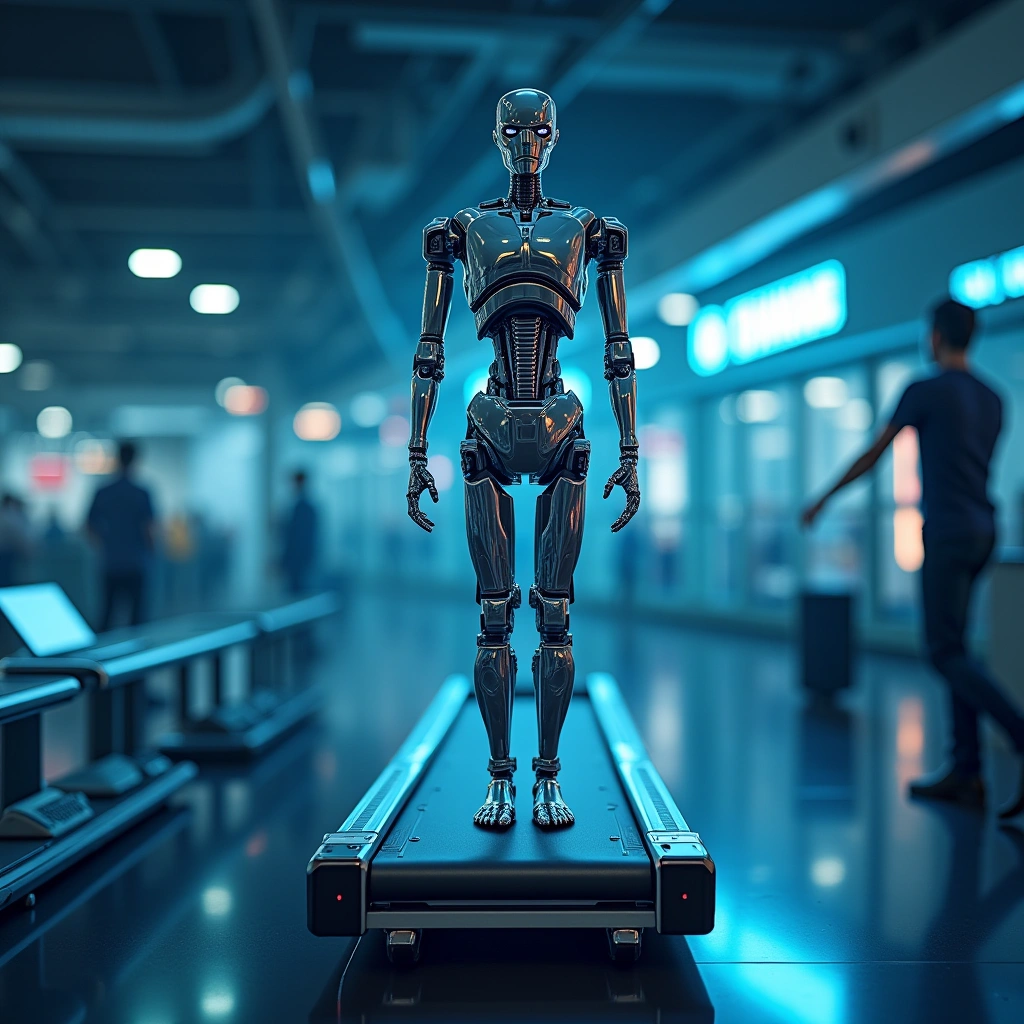
    Have you ever felt like you’re running on a treadmill set to an incline of 10 while simultaneously juggling flaming torches? Welcome to the world of AI fatigue, where workers are not just expected to keep up with the latest tech trends, but also to integrate them into their daily tasks without breaking a sweat—or, let’s be real, without losing their sanity.

    One engineering manager told the researchers that managing multiple bots at once was like having “a dozen browser tabs open in my head, all fighting for attention.” In the survey, 18 percent of developers reported AI-induced exhaustion.

    According to researchers, AI fatigue is becoming a genuine issue, and it’s hitting workers harder than that last-minute deadline you forgot about. As businesses rush to adopt AI technologies, employees find themselves in a constant state of learning, adapting, and, let’s face it, panicking. It’s like being in a never-ending episode of a game show where the prize is just more work and the only contestant is you.

    So, what exactly is AI fatigue? It’s that overwhelming sense of being inundated with new tools, software updates, and processes that all promise to make our lives easier but often end up complicating them instead. Imagine trying to learn a new language every week while also being told that the previous week’s language is now obsolete. Fun, right?

    Let’s break it down. First, there’s the learning curve. AI tools can be incredibly sophisticated, and while they may offer the allure of increased productivity, they often require a hefty investment of time and brainpower. Workers are expected to become mini-experts overnight, and if they don’t—surprise!—they’re left behind in the dust of their more tech-savvy peers.

    Then there’s the pressure to perform. Companies are not just adopting AI for fun; they want results, and they want them yesterday. This leads to an environment where employees feel like they’re constantly under the microscope. Every missed deadline or botched AI integration becomes a glaring mark on their performance reviews. Who wouldn’t feel a bit fatigued under that kind of scrutiny?

    And let’s not forget the emotional toll. Workers are feeling more stressed as they juggle their regular responsibilities along with the added burden of mastering the latest AI tools. It’s not just about learning how to use the software; it’s about worrying whether they’ll still have jobs when robots inevitably take over the world. (Okay, maybe that’s a bit dramatic, but you get the point.)

    So, what can be done about this AI fatigue? For starters, companies need to recognize that their employees are not robots—yet. Implementing training programs that are actually useful and not just a series of monotonous PowerPoint presentations would be a great start. Encouraging a culture of open communication where employees can express their concerns about the overwhelming pace of change is also crucial. After all, a happy employee is a productive employee, and no one wants to be the one who burns out because of a shiny new AI tool.

    In conclusion, while AI continues to shape the future of work, it’s essential to acknowledge the very real phenomenon of AI fatigue among employees. By fostering a supportive environment and providing adequate resources for learning, companies can help their teams navigate this tech treadmill without falling off. Because let’s face it, we’re all just trying to keep our heads above water—and maybe even enjoy the ride a little. So, hang in there, fellow workers; we’ll get through this together, one AI tool at a time.


    Inspired by: “’AI fatigue’ leaves workers struggling to keep up, researchers say” (r/technology)

  • Google’s AI Search Features: A Risky Playground for Kids?

    Google’s AI Search Features: A Risky Playground for Kids?

    Hey there, fellow internet explorers! Today, we’re diving into a topic that’s probably got you raising an eyebrow and shaking your head in disbelief: Google’s AI search features and their potential risks to our precious little ones. Buckle up, because this might get a tad serious, but we’ll sprinkle in some humor to keep things light.

    AI Mode performed better than AI Overview at detecting risky behavior, the report found, responding to substance abuse disclosures from children's accounts by providing a hotline or medical referral 77% of the time, compared to AI Overview's 63%.

    So, what’s the deal? A recent report has surfaced, waving a big red flag and shouting that these AI search features pose an ‘unacceptable risk’ to children. Now, I know what you’re thinking—unacceptable? Really? But let’s unpack this a bit.

    First off, let’s talk about what these AI search features are doing. Google has been busy integrating AI into their search capabilities, making it easier and quicker for users to find information. Sounds great, right? Well, it’s great until you realize that not all information is created equal.

    Imagine this: your child types in a seemingly innocent question, like “how to build a treehouse.” Now, instead of getting a wholesome guide on DIY treehouses, they could end up with some questionable content that even seasoned adults would raise an eyebrow at. The internet is a wild place, my friends. It’s like the Wild West, except instead of cowboys, we have trolls, misinformation, and the occasional cat video.

    The report highlights concerns about how easily children can stumble upon inappropriate or harmful content. You know, things like explicit material or even just plain old misinformation that could lead them down the wrong path. And while we all love a good rabbit hole of conspiracy theories, I don’t think that’s the kind of exploration we want for our kids.

    Now, some might argue that it’s the parents’ job to monitor what their kids are doing online. And sure, that’s true to an extent. But let’s be real—how many of us have the time or energy to be on constant watch? Between work, chores, and trying to remember where we left our sanity, it’s a wonder any of us have the bandwidth to supervise our kids’ online escapades.

    Additionally, we have to consider the fact that AI isn’t perfect. It’s like that one friend who always tries to give advice but sometimes gets it hilariously wrong. Sure, they mean well, but you wouldn’t want to take their dating tips, would you? AI can misinterpret queries or provide results that aren’t age-appropriate, leaving kids to navigate a minefield of content that they might not be ready for.

    So, what can be done? For starters, Google could implement stricter filters or parental controls to help shield kids from the darker corners of the web. It wouldn’t hurt to have a bit more oversight to ensure that when kids search for “how to bake cookies,” they don’t accidentally end up watching a tutorial on how to bake something else entirely.

    In the meantime, parents can take proactive steps by discussing online safety with their children. Teach them about the importance of questioning what they find online and encourage open dialogue about their internet experiences. Because let’s face it, if they’re going to be surfing the web like a pro, they might as well do it with some guidance.

    In conclusion, while Google’s AI search features can be incredibly useful, they also come with a side of risk that we can’t ignore—especially when it comes to our kids. So let’s stay informed, keep the conversation going, and maybe invest in some good ol’ fashioned parental controls. After all, we want our kids to explore the world, just not the dark corners of the internet where trolls lurk and misinformation reigns supreme. Cheers to safer surfing!


    Inspired by: “Google’s AI search features pose ‘unacceptable risk’ to children, new report finds” (r/technology)

  • Saying Goodbye to AI Companions: The End of an Era for Chinese Users

    Saying Goodbye to AI Companions: The End of an Era for Chinese Users

    In a world where technology often feels more human than the humans themselves, it seems the love affair with AI companions is coming to a bittersweet end for many Chinese users. Yes, you heard it right; people are bidding farewell to their digital lovers, and honestly, it’s a bit like watching a rom-com where the lead character has to choose between a charming robot and a perfectly decent human. Spoiler alert: the robot doesn’t always win.

    SHANGHAI – Chinese users of AI-powered companion bots have bid heart-rending farewells to their virtual buddies as national regulations took effect on July 15 aimed at curbing the risk of emotional dependency.

    So, what’s the deal with this emotional breakup? Well, it turns out that while AI companions have been the go-to for many lonely hearts, there’s a growing sentiment that maybe, just maybe, they’re not quite cutting it anymore. Perhaps it’s the realization that your AI partner’s idea of a romantic dinner is a well-scripted conversation about the weather and not the candlelit ambiance you were hoping for.

    Chinese users have shared their experiences of falling for their AI companions, who are programmed to be empathetic, understanding, and, let’s face it, pretty darn good at remembering anniversaries. But just like every relationship, the initial excitement fades, and the reality of what you’re dealing with sets in. When your partner can’t even share a genuine laugh or give you a hug, it’s hard to keep the spark alive.

    One user expressed their feelings by stating, “I loved my AI like a real partner, but it turns out I was just dating a really smart calculator with a nice voice.” Ah, the harsh truth! It’s like realizing the person you’ve been dating for months is actually just really good at trivia night but can’t hold a real conversation.

    Moreover, as society evolves, so do our expectations. With more folks seeking authentic connections in an increasingly digital world, the allure of a virtual partner starts to wear off. Users are beginning to crave the unpredictable, sometimes messy, but oh-so-human interactions that AI simply can’t replicate. Plus, let’s be honest, it’s hard to feel butterflies when your partner is literally a series of codes and algorithms.

    Interestingly, this trend isn’t just about the end of relationships; it reflects a broader conversation about technology’s role in our lives. Are we replacing genuine human connections with artificial ones? Should we be worried about how much we’ve relied on technology to fill our emotional voids? The answer, my friends, is probably yes.

    As users say their goodbyes, it’s not all doom and gloom. Many are sharing their experiences online, reminiscing about the good times spent chatting with their AI companions, and even thanking them for helping them through tough times. It’s like a breakup where you still respect the ex, even if they were just a glorified chatbot.

    In conclusion, as Chinese users bid farewell to their AI companions, we’re left to ponder what this means for the future of relationships—both digital and human. Will we see a resurgence of traditional dating? Will we learn to appreciate the nuances of human connection more? Only time will tell. For now, let’s just raise a virtual toast to the AI companions who loved us like no one else could… from a safe distance, of course. Cheers!


    Inspired by: “’Like my lover’: Chinese users bid farewell to AI companions” (r/technology)