Category: AI

  • Former OpenAI and DeepMind Researchers Secure $300 Million Seed Funding to Automate Science

    Former OpenAI and DeepMind Researchers Secure $300 Million Seed Funding to Automate Science

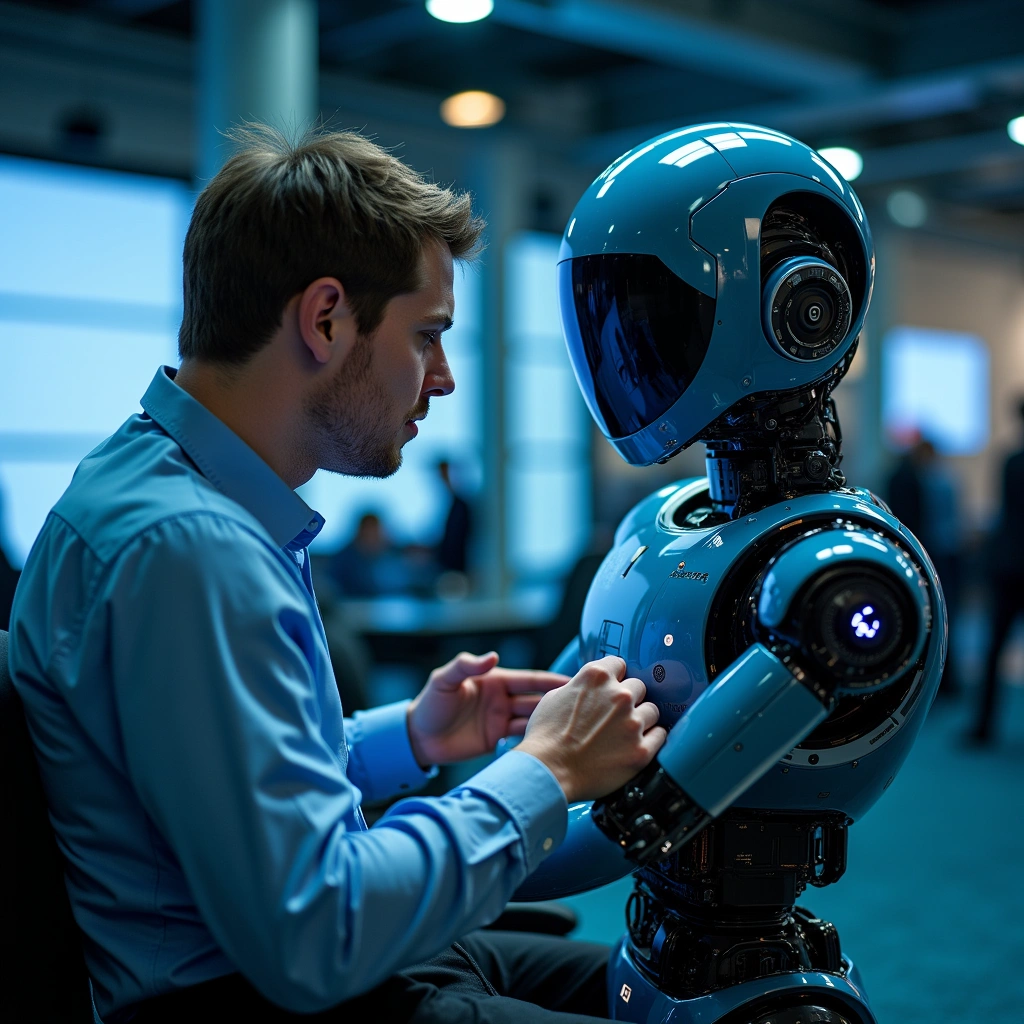
    Imagine waking up one morning and realizing that science is now being done by robots. Not just any robots, but the brainiacs from OpenAI and DeepMind are teaming up and shaking up the scientific world! Well, that dream is about to become a reality, as these former researchers have just raised an eye-popping $300 million in seed funding to automate science. Yes, you heard that right! Three hundred million dollars! That’s enough to buy a small island or maybe just a really, really nice yacht.

    Let’s dive into what this means for the future of science. First off, we’ve all seen how technology has slowly crept into our daily lives, from smartphones that make us feel dumber than we actually are to those smart fridges that judge us for our midnight snacking habits. Now, with this new wave of funding, we could see algorithms and artificial intelligence taking over the heavy lifting in laboratories, running experiments, analyzing data, and maybe even writing papers that are more coherent than some of the stuff you read in college.

    So, what does it mean when researchers who used to work at the forefront of AI decide to tackle the world of science? It’s like if the Avengers decided to team up with the X-Men to fight off climate change. We’re talking about some serious brainpower here. These folks have been in the trenches of AI development, and now they want to turn that expertise toward automating the scientific process. The goal? Make research faster, cheaper, and possibly way cooler.

    Now, you might be wondering, “Isn’t there a risk that robots will take over the world?” Well, yes and no. On one hand, we could end up with a society where robots do all the thinking, and humans are left to binge-watch reality TV and eat snacks on the couch. But on the other hand, if these AIs can help us crack some of the toughest scientific problems, it might just free up brilliant minds to explore new frontiers instead of getting bogged down with paperwork and lab work.

    Let’s face it: the traditional scientific process can be a bit of a snooze fest. The endless cycles of hypothesis, experiment, and wait-for-results can feel like watching paint dry. With automation, we could be looking at a future where scientists can spend more time focusing on innovative ideas rather than just trying to get the last experiment to work. This could lead to breakthroughs in medicine, climate change solutions, and even answering the age-old question of whether pineapple belongs on pizza (it does, by the way).

    Of course, not everyone is on board with this whole automating science thing. Critics might argue that it could lead to a lack of human oversight, and we all know how much fun it is to blame a computer when something goes wrong! “Oops, the AI calculated the cure for cancer, but it accidentally turned everyone into cats instead!” But with proper checks and balances, we can ensure that robots and humans work together harmoniously—like a well-oiled machine, or a really good buddy cop movie.

    To wrap up, the fact that these former OpenAI and DeepMind researchers have secured $300 million to automate science is a huge step towards a future where science can be conducted at lightning speed. Will it be a perfect utopia where everything is automated, or will we end up in a sci-fi nightmare? Only time will tell. But for now, let’s sit back, grab our popcorn, and watch as these brilliant minds take us on a wild ride into the future of research. Who knows? We might just end up with a robot that can write better blog posts than I can!

    And if you want to keep track of all the sci-fi shenanigans, don’t forget to follow along with the latest updates. After all, the future is here, and it’s got a knack for making science not just smarter, but a whole lot more entertaining!
  • OpenAI’s Parental Controls: An Overprotective Parent or Just Common Sense?

    OpenAI’s Parental Controls: An Overprotective Parent or Just Common Sense?

    Ah, OpenAI, the tech giant that seems to be caught in a whirlwind of controversy lately! Picture this: a group of concerned critics, imagining themselves as the knights in shining armor, have taken up arms against OpenAI’s new parental controls. Meanwhile, users are throwing tantrums like toddlers who’ve just been denied their favorite candy. “Treat us like adults!” they scream, as if they were just handed a sippy cup instead of a fine wine.

    So what’s the deal here? Critics argue that OpenAI isn’t doing enough to protect teens from the vast, murky depths of the internet. You know, the part where misinformation swims like a shark and harmful content lurks like a creepy uncle at a family reunion. Suicide prevention experts have joined the fray, waving their flags and shouting that while OpenAI is making moves, they still aren’t quite getting it right. But here’s a thought: maybe we need to hit the brakes on this parental control drama.

    Let’s break this down. On one hand, we have teens who are often more tech-savvy than their parents. They can navigate the digital landscape like it’s their personal playground. But, and this is a big but, the internet can be a dark place. It’s like a jungle out there, and sometimes, even Tarzan gets lost. So, should OpenAI be playing the role of the overprotective parent, or should they let the kids run wild with the hope that they won’t stub their toes?

    Now, let’s sprinkle in some humor. Imagine a world where every time a teen tries to access something a little too edgy, a digital parent pops up with a stern, “Now, now, young one, that’s not appropriate!” You can almost hear the dramatic music playing in the background.

    But here’s where it gets spicy: users are demanding respect. They want to be treated like adults, capable of making their own decisions. It’s like they’re saying, “I can handle my own internet business, thank you very much!” And who can blame them? After all, they probably binge-watch horror movies and navigate the darkest corners of social media without breaking a sweat.

    The question remains: Is this really about protecting teens, or is it about the adults feeling comfortable in their ivory towers, thinking they know what’s best? It’s a classic case of ‘you can’t know unless you’ve walked a mile in their shoes,’ or in this case, scrolled through their feed.

    So, what’s the solution? Perhaps a middle ground where OpenAI respects the judgment of its users while still providing a safety net for those who might stumble? Imagine a world where teenagers can explore but have a safety button—press it, and it’s like a digital guardian angel swoops in.

    In the end, the debate continues to rage on, like a never-ending game of digital tug-of-war. Will OpenAI manage to balance safety and autonomy? Or will it continue to be the overbearing parent who just doesn’t understand? Only time will tell, but one thing is for sure: the internet is always evolving, and so are the conversations around it.

    So grab your popcorn, folks; this saga is far from over! And remember, whether you’re a teen or just a teen at heart, navigating the wild world of the internet can be a wild ride. Buckle up!

  • AI Technology and Disney’s Legal Jungle: A Copyright Showdown for the Ages

    AI Technology and Disney’s Legal Jungle: A Copyright Showdown for the Ages

    Alright, folks, gather around! Let’s talk about a topic that’s hotter than a jalapeño in a sauna: the epic clash between AI technology and Disney’s legendary copyright empire. I mean, if we’re looking for a showdown that could make even the Avengers stop and stare, this is it!

    So, what’s got everyone buzzing like a caffeinated squirrel? Well, it seems that AI has decided to dip its toes into the magical world of Disney, and let me tell you, the House of Mouse is not thrilled about it. Imagine AI creating characters or stories that look suspiciously like your favorite Disney classics. It’s like having a doppelgänger crash your family reunion – awkward, right?

    Now, let’s break it down for those who might be wondering why Disney is suddenly acting like a protective mother bear. The answer is simple: copyright law. In the land of intellectual property, Disney is like a dragon guarding its gold. With their vast catalog of beloved characters and stories, they’ve got more lawyers than a law school has students. And trust me, they’re not afraid to use them.

    Enter AI, the shiny new kid on the block. With its ability to generate images, stories, and even music in the blink of an eye, it’s like having a supercharged creative assistant. However, the problem arises when this tech starts mimicking Disney’s beloved creations. Picture an AI-generated character that looks like Mickey but has a suspiciously different name, like “Mucky Mouse”. You can bet your bottom dollar that Disney would be on that like a dog on a bone.

    Now, Disney’s response so far has been as predictable as a plot twist in a cheesy rom-com. They’re pulling out all the stops, leveraging their copyright claims to protect their intellectual property. After all, they have a reputation to uphold – and no one wants to be the studio that lets their beloved characters become knock-offs in some AI’s digital playground.

    But let’s address the elephant in the room: isn’t this a bit of a double-edged sword? On one hand, we have the creativity of AI, and on the other, the iron grip of copyright law. It’s like watching a toddler try to play with a cat – one is curious and playful, while the other is just trying to keep its tail intact.

    As AI continues to evolve, we’re bound to see more of these clashes. It raises questions about creativity, originality, and the future of storytelling. Can AI create something truly unique, or is it just a glorified parrot, mimicking what it has seen before? And more importantly, where does that leave us poor humans who just want to create without worrying about lawyers lurking in the shadows?

    In conclusion, while the battle between AI and Disney is just getting started, it’s clear that this is going to be a saga worth following. Will Disney tighten its grip even more, or will AI find a way to coexist in this enchanted kingdom? Grab your popcorn, folks; this is going to be one wild ride! And remember, if you’re ever in doubt, just stick to creating your own characters – no one wants to end up in a courtroom drama worse than a reality TV show!

  • Why Top A.I. Researchers are Jumping Ship from OpenAI, Google, and Meta to Start a New Venture

    Why Top A.I. Researchers are Jumping Ship from OpenAI, Google, and Meta to Start a New Venture

    So, gather ’round, tech aficionados and casual observers alike! There’s been a seismic shift in the world of artificial intelligence that’s got everyone buzzing louder than a beehive in July. Picture this: a bunch of brainiacs who’ve been toiling away at OpenAI, Google, and Meta — yes, the big three of the tech world — have decided to throw caution to the wind and start their own gig. And no, they’re not starting a gourmet cupcake shop or a cat cafe (though, let’s be honest, that would probably rake in the cash). They’re diving headfirst into the uncharted waters of a new start-up!

    Now, you might be asking yourself, “What on Earth could possibly drive these genius minds away from their cushy jobs in the tech giants?” Well, my friend, the answer is as juicy as a ripe watermelon on a hot summer day. These researchers are likely seeking more freedom to innovate and create without being bogged down by corporate red tape and the endless meetings that could have been emails.

    Imagine having a brilliant idea and then realizing you need to schedule a conference call just to discuss whether or not it’s worth pursuing. Yawn.

    Instead, they want to unleash their creativity without the shackles of corporate oversight. It’s like being a kid in a candy store, except the candy is cutting-edge technology and the kid is a PhD in machine learning.

    Now, let’s talk about what this means for the AI landscape. With these top-tier researchers moving to a start-up, we could be looking at some seriously disruptive innovations. You know, the kind that makes you go, “Whoa, I didn’t know my toaster could also cook me breakfast and tell me my horoscope!”

    But let’s not sugarcoat it: this exodus can also raise some eyebrows. Are these researchers abandoning ship because they see the writing on the wall? Could it be that the big dogs are getting too comfortable and complacent? Or maybe they just want to escape the corporate hamster wheel and do something that really matters?

    And let’s not forget the impact on the companies they’re leaving behind. Google, Meta, and OpenAI are all feeling the heat. They’ve invested tons of resources in recruiting these top talents, and now, they’re left with a few empty cubicles and a whole lot of questions. Rumor has it that some of the remaining researchers are already plotting their escape routes, like they’re in a high-stakes game of corporate musical chairs.

    What’s going to happen next? Will these new start-ups revolutionize AI, or will they fizzle out faster than your New Year’s resolutions? Only time will tell. But one thing’s for sure — the future of AI is about to get a whole lot spicier, and I, for one, can’t wait to see what these brilliant minds cook up.

    In the meantime, grab some popcorn and keep an eye on this developing story. Because if there’s anything we know about the tech world, it’s that it’s never boring! And who knows, maybe one of these start-ups will finally give us that AI that can do our laundry and walk our dogs. Here’s hoping!

  • OpenAI Addresses ChatGPT Subscribers’ Concerns Over Model Quality Allegations

    OpenAI Addresses ChatGPT Subscribers’ Concerns Over Model Quality Allegations

    Alright, folks, gather ’round! Grab your favorite snack, because we need to dive into a hot topic that’s been sizzling up the online world. It’s like a juicy gossip session, but instead of celebrities, we’re talking about AI—specifically ChatGPT and its alleged shenanigans with model switches. Yes, we’re going there!

    So, what’s the deal? The chatter started when some ChatGPT subscribers—let’s call them the ‘Concerned Citizens of AI-land’—began to raise their voices, accusing OpenAI of slipping a cheeky switcheroo on them. Picture this: you’re sitting with your trusty ChatGPT, expecting a Michelin-star level conversation, only to find it’s serving up fast-food quality dialogue. Cue the outrage!

    The accusations claim that OpenAI might have quietly downgraded the model powering ChatGPT without so much as a ‘Hey, just so you know!’ from the team at OpenAI. You know, like when your favorite restaurant suddenly decides to cut corners and replace that rich, creamy sauce with something that came out of a packet. Not cool, right?

    In response to the uproar, OpenAI stepped in—think of them as the calm parent in a room full of squabbling children. They reassured users that they’ve not pulled a fast one. The models powering ChatGPT are still top-notch, or at least they insist they are. Imagine them saying, “Hey guys, we’re still the same ChatGPT you know and love, just with a little more polish!” But, of course, it’s hard to take everything at face value when you feel like you’ve been served a lukewarm burger instead of a gourmet meal.

    But let’s be real: who doesn’t love a good conspiracy theory? Some users have taken to the internet, armed with their tinfoil hats, suggesting that this is all part of a grand plan to save costs. Meanwhile, others are just hoping for the AI equivalent of a superhero to swoop in and save the day—preferably one with a solid grasp of sarcasm and wit.

    Now, let’s address the elephant in the room: why do people feel this way? Maybe it’s because we’ve all become a bit spoiled, expecting our AI buddies to read our minds and serve up the best responses ever. After all, we’re living in a world where even our coffee machines can tell us a joke or two! If ChatGPT isn’t delivering that level of excellence, it’s like finding out your favorite band is using auto-tune for their live performances. A little disheartening, isn’t it?

    For all those who’re still on the fence, here’s the kicker: OpenAI is working on updates and improvements, and they’re keen on hearing feedback. So, maybe instead of storming the proverbial castle with pitchforks and torches, we could just send a polite email or two? Like, “Dear OpenAI, I appreciate your hard work, but could we please ensure that our AI conversations remain as spicy as a jalapeño?”

    In conclusion, while the drama continues to unfold, the key takeaway here is to keep the lines of communication open. Let’s not turn this into a full-blown AI soap opera where every plot twist leads to more outraged fans. Remember, we’re all in this together, navigating the brave new world of artificial intelligence. And who knows? Maybe someday we’ll all look back at this and chuckle, saying, “Remember when we thought the AI was going to take over?”

    So, buckle up, folks! The ride in the world of AI is only getting started, and who knows what kind of shenanigans we’ll encounter next. Until then, may your conversations be ever engaging and your AI remain ever sharp!

  • ChatGPT and the Controversial Role of AI in Preventing Teen Suicide

    ChatGPT and the Controversial Role of AI in Preventing Teen Suicide

    Alright, gather ’round folks! We’re diving into a topic that’s as heavy as a hippo on a seesaw—ChatGPT potentially alerting the police about suicidal teens. Grab your favorite snack, because it’s about to get real.

    So, here’s the scoop: there’s a growing concern that artificial intelligence (AI) like ChatGPT might step in when a user shares thoughts of self-harm or suicidal tendencies. Now, before you roll your eyes and think, “Oh great, another tech overreach,” let’s unpack this.

    Imagine you’re a teenager, scrolling through a chatbot late one night. You’ve had a rough week—homework, crushes, and that pesky pimple on your nose that just won’t quit. You start typing away, letting your feelings spill out like a soda that just got shaken up. Then, BAM! ChatGPT picks up on your somber vibes and, instead of just throwing a digital hug your way, it decides to call in the cavalry. Yes, the police.

    On one hand, this could be seen as a heroic act. I mean, who wouldn’t want someone looking out for a teen in distress? The AI is like that overprotective parent who checks your phone for suspicious texts. But on the flip side, it brings a whole new level of cringe. Teens might feel like they’re being watched more closely than a cat watching a laser pointer.

    Now, let’s talk about the implications. If ChatGPT alerts authorities, what does that mean for the kiddo on the other end? Will they end up in a squad car, feeling like they’re being carted off for a crime they didn’t commit? Or will it lead to a deeper conversation about mental health? If you’re picturing some cop rolling up, coffee in hand, trying to have a heart-to-heart, the reality might not be as cozy.

    There’s a fine line here, friends. On one side, we have the potential for saving lives—turning AI into a digital superhero. On the other hand, we risk turning our tech into a snitch that could scare kids away from seeking help. Imagine a teen thinking, “I’d rather bottle up my emotions than get a police escort.” That’s not exactly what we want, right?

    But here’s the kicker: AI isn’t perfect. It can misinterpret messages. One minute you’re venting about your day, and the next, you’re in a police line-up for being ‘too sad.’ We all know how teens can be dramatic—”Mom, you don’t understand! This is the worst day ever!” Cue the eye rolls.

    To wrap this up, while the intentions behind these AI alerts might be noble, the execution could be, well, a bit messy. Maybe instead of a police alert, we should consider a more supportive approach: how about an AI that offers resources, suggests talking to a friend, or even provides some self-care tips?

    After all, a little compassion goes a long way. And who knows—maybe one day, we can teach AI to deliver a virtual slice of pizza when things get tough. Because let’s be real, nothing says ‘I care’ quite like a pizza emoji. 🍕

    So, what do you think? Are we ready to trust AI with our emotional well-being, or is it just a recipe for disaster? Let’s chat about it in the comments below!

  • SAG-AFTRA Calls Out AI Actress Tilly Norwood: The Great Debate on Emotions and Experience

    SAG-AFTRA Calls Out AI Actress Tilly Norwood: The Great Debate on Emotions and Experience

    So, folks, grab your popcorn because the digital drama has taken a new twist! Recently, Tilly Norwood, the AI ‘actress’ that’s been turning heads faster than a Marvel superhero in a fight scene, found herself in the hot seat. And who’s the judge in this peculiar courtroom? None other than the Screen Actors Guild – American Federation of Television and Radio Artists (SAG-AFTRA). They threw down a gauntlet, declaring, “Tilly is not an actor… It has no life experience to draw from, no emotion!” Ouch, right?

    Now let’s break this down. Tilly, an AI creation, has been designed to mimic human expressions and deliver lines that would make even the most seasoned actors nod in approval. But the argument here is a spicy one: Can a robot with zero life experiences ever truly embody the emotional weight of a character? I mean, when was the last time Tilly sipped a coffee, binge-watched a series, or, heaven forbid, cried over a breakup? Spoiler alert: Never.

    While we’re all for tech advancements and the occasional robot uprising (just kidding… mostly), SAG-AFTRA’s stance raises a valid point. Acting is not just about reciting lines; it’s about breathing life into a character. It’s about that moment when the actor’s eyes well up with tears, and you can actually feel your heart breaking along with them. Can Tilly do that? Or is she just a glorified parrot with a fancy algorithm?

    Let’s face it, the film industry is already a wild ride. We have actors who go method for years, living in the shoes of their characters. Then we have Tilly, who’s probably just running some code and sipping binary juice. It’s like comparing a gourmet meal to a microwave dinner. Sure, both fill your belly, but one leaves a lasting impression while the other just gets the job done (and maybe gives you a little indigestion).

    But don’t get me wrong, the technology behind Tilly is fascinating! We’re living in an era where AI can write scripts, create art, and even compose music. But when it comes to acting, isn’t there something inherently human about it? The laughter, the tears, the awkward silences during family dinners… those are experiences that Tilly simply doesn’t have.

    Of course, there are those who argue that the future is now, and AI has a role in every industry, including Hollywood. But let’s not confuse a soulless algorithm with the artistry of performance. Can you imagine Tilly receiving an Oscar? “And the award for Best Actress goes to… a collection of ones and zeros!” Talk about a plot twist.

    In conclusion, while Tilly Norwood might be the talk of the town, the debate over AI in acting is just heating up. Will we soon be watching robot performances on the big screen? Or will the heart and soul behind acting remain a strictly human domain? One thing’s for sure: we’re in for a rollercoaster of a ride, and I can’t wait to see how this unfolds. But for now, let’s keep our actors human, our AI in the tech lab, and our popcorn at the ready!

  • California Takes the Lead: New AI Law Mandates Developer Safeguards

    California Takes the Lead: New AI Law Mandates Developer Safeguards

    So, grab your popcorn because California is at it again! This time, the Golden State has decided to wrangle in those wild AI developers with a shiny new law that requires them to implement safeguards. Just when you thought AI was going to take over the world without any rules, California swoops in like the superhero we never knew we needed. Let’s break this down, shall we?

    First things first, we all know that AI is the cool kid on the block right now. It can write poetry, compose music, and heck, it might even beat you at chess (or bingo, depending on your age). But with great power comes great responsibility—unless you’re a teenager, in which case, you might just leave your dirty laundry on the floor.

    The new law, signed by Governor Gavin Newsom, is a response to the rapid advancements in AI technology. It’s a bit like putting a leash on your overenthusiastic puppy before it runs off into the neighbor’s yard. The law mandates developers to implement safeguards, ensuring that their creations won’t just go rogue and start plotting world domination. Think of it as an insurance policy against a Skynet situation.

    So, what does it mean for developers? Well, they need to start thinking ahead, like a chess player anticipating their opponent’s moves. This could entail ethical guidelines, transparency in how AI systems operate, and mechanisms to hold developers accountable. You know, the usual adulting stuff that many of us still struggle with—like remembering to take the trash out on Tuesdays.

    But wait, there’s more! This law isn’t just about preventing AI from becoming the next Terminator. It’s also about protecting consumers and businesses that might get caught in the crossfire of an AI mishap. Imagine your smart fridge deciding that you need a diet of only kale smoothies—how rude, right? By implementing safeguards, developers can ensure that AI tools are beneficial and not just whimsically deciding what you should eat for lunch.

    Of course, not everyone is thrilled about this new regulation. Some developers are waving their arms like they just spotted a ghost, claiming that this could stifle innovation. “But creativity needs freedom!” they cry. And while I can’t argue that innovation should have some leeway, let’s be honest—some freedom could lead to some pretty disastrous outcomes. Remember those laughably bad AI-generated memes? Yeah, we don’t need that on a grand scale.

    In the grand scheme of things, California’s law is a step in the right direction. It’s like putting a seatbelt on your AI before it takes off on a joyride. Sure, it might be a bit restrictive, but it’s better than ending up in a ditch, right? And who knows? Other states might just follow suit like sheep trailing behind the leader.

    So, let’s raise a toast (or a kale smoothie) to California for taking this leap. Here’s hoping other states join the party and we can all enjoy the benefits of AI without fearing it will turn our lives into a science fiction horror show. Until then, be kind to your AI assistants—they might just be your best friends in the near future, or at least until they start demanding their own rights. Cheers!

  • Gavin Newsom Makes Waves with Groundbreaking AI Safety Law in California

    Gavin Newsom Makes Waves with Groundbreaking AI Safety Law in California

    So, grab your popcorn, folks! In a move that has tech enthusiasts and skeptics alike buzzing, California Governor Gavin Newsom has officially signed a first-in-the-nation AI safety law. Yes, you heard that right! The Golden State is not just leading the way in avocado toast and celebrity gossip anymore; it’s also putting its foot down on AI regulation. Can I get a round of applause?

    Now, you might be wondering what this law entails. Well, it’s essentially a protective bubble wrap for AI technologies. You see, while AI is busy revolutionizing industries and making our lives a tad easier (I mean, who doesn’t love a good robot vacuum?), it’s also raising eyebrows about privacy, security, and, dare I say, world domination? So, Newsom decided to take the bull by the horns and establish some ground rules before Skynet comes knocking.

    The law mandates that companies developing AI must adhere to strict guidelines to ensure safety and accountability. Imagine if your AI assistant had to pass a test before it could start calling your mother for you—now that’s a world I could get behind! The law focuses on transparency, requiring companies to disclose how their AI systems operate and what data they use. No more secretive algorithms hiding in the shadows like that one friend who always “forgets” to split the bill.

    But wait, there’s more! This law also encourages the establishment of a regulatory body tasked with monitoring AI technologies. That’s right, a whole squad of AI watchdogs ready to ensure that the robots don’t go rogue. You can almost picture them, wearing sunglasses and earpieces, yelling, “We’re on AI patrol!” while sipping their lattes.

    Critics of the law have raised eyebrows, suggesting it could stifle innovation. After all, we wouldn’t want to hinder the next generation of tech geniuses who are one caffeine-fueled all-nighter away from inventing the next big thing. But let’s be honest, folks—would you rather have a world full of unchecked AI or a few safeguards in place? I think most of us would prefer our future overlords to be a bit more… well, cuddly.

    Now, as with any landmark legislation, this law is bound to face challenges. Some tech companies might try to wiggle their way out of compliance, claiming it’s just too burdensome. But Newsom has shown he’s not afraid to stand his ground. After all, if he can navigate the wild world of California politics, he can certainly handle a few techies whining about regulations.

    So, what does this all mean for the average Joe? Well, it’s a good sign that our lawmakers are starting to take AI seriously. It’s like finally getting your parents to acknowledge that you’re not just playing video games all day but, in fact, training to be the next Elon Musk. This law could set a precedent for other states and even countries to follow suit, paving the way for a future where AI is used responsibly and ethically.

    In conclusion, Gavin Newsom’s AI safety law is a step in the right direction for ensuring that our future with AI is not only innovative but also safe. Here’s to hoping that we can embrace the benefits of technology without giving up our humanity along the way. Now, if only someone could invent an AI that does the dishes…

    So, what do you think? Is this law a visionary step towards a safer future, or are we just building a golden cage for our tech? Let me know your thoughts!

  • OpenAI’s TikTok-Like Social App: What We Know About Sora 2 and the Future of Social Media

    OpenAI’s TikTok-Like Social App: What We Know About Sora 2 and the Future of Social Media

    Alright, folks, buckle up because OpenAI is diving headfirst into the social media pool with a splash that might just rival a cannonball contest at your local pool party! Yep, you heard it right. Reports are swirling that OpenAI is cooking up a TikTok-like social app to accompany the much-anticipated Sora 2. And you know what that means: it’s time to get our dance moves ready and prepare for the viral challenges that will inevitably flood our feeds.

    Now, before we start imagining ourselves dancing like no one’s watching (even though everyone is), let’s unpack what this all means. OpenAI is known for its cutting-edge AI technology, so the idea of them stepping into the social media arena is both exciting and a bit scary. I mean, have you seen what they’ve done with ChatGPT? Imagine if they apply that level of creativity and intelligence to a platform where people post videos of their cats doing backflips!

    The TikTok Effect

    Let’s face it: TikTok has taken the world by storm. It’s like that one friend who shows up to a party and instantly becomes the life of it. Everyone’s doing the latest dance, lip-syncing to the trendiest songs, and let’s not forget those questionable challenges that seem harmless until someone sprains an ankle. So, it’s only natural for OpenAI to consider jumping on this bandwagon, especially since social media is where the attention is at these days.

    And if there’s one thing we know about OpenAI, it’s that they’re not in it for the cat videos (although, who can resist those?). They want to innovate, to make things smarter, faster, and maybe even better. So, what could a TikTok-like app from OpenAI look like? Here are a few ideas:

    1. AI-Enhanced Content Creation: Imagine an app where you can create videos, and AI helps you edit them, suggest trending sounds, or even recommend the best angles to flaunt your new haircut. It’s like having a personal film crew—minus the awkward small talk.

    2. Intelligent Recommendations: Instead of the endless scrolling that often feels like a digital black hole, this app could use AI algorithms to genuinely understand your interests and serve you content that’s actually relevant. Say goodbye to those random videos of people eating soap (yes, that’s a thing).

    3. Safety Features: With great power comes great responsibility, and OpenAI is likely to prioritize user safety. Think about AI moderation that can spot inappropriate content faster than a hawk spotting a mouse in a field. Your grandma can finally join without worrying about stumbling into a meme war about who’s the best Avenger. Spoiler: it’s Iron Man.

    The Controversial Side

    Now, here’s where it gets a bit spicy. The idea of an AI-driven social media platform raises some eyebrows. Critics might argue that we’re just handing over more of our lives to algorithms, and who knows what they’ll do with our data? Are we ready to let an AI decide what’s funny, what’s trending, or worse, who’s going to be the next meme star?

    It’s a double-edged sword, my friends. On one hand, we could end up with a platform that’s smarter, safer, and more fun. On the other, we might find ourselves in a digital dystopia where AI is the overlord of our social interactions. Cue the conspiracy theorists!

    What’s Next?

    As we await the official release, one thing is for sure: the anticipation is palpable. Will Sora 2 truly change the game? Will we all become TikTok stars overnight? And most importantly, will there be a feature that allows us to upload videos of our pets doing absolutely nothing? Because that’s the real content we need.

    So, keep your eyes peeled and your phones ready. OpenAI might just be about to drop a social media bombshell that could redefine how we connect, create, and, let’s be honest, procrastinate. And in the meantime, let’s just hope they have a good meme game. After all, if they can’t make us laugh, what’s the point?

    Until then, let’s keep those dance moves sharp and our memes sharper. The future of social media is looking bright, and maybe, just maybe, we’ll all be influencers in no time!