Category: AI

  • Why Humans Still Hold the Winning Hand Over AI in Finance

    Why Humans Still Hold the Winning Hand Over AI in Finance

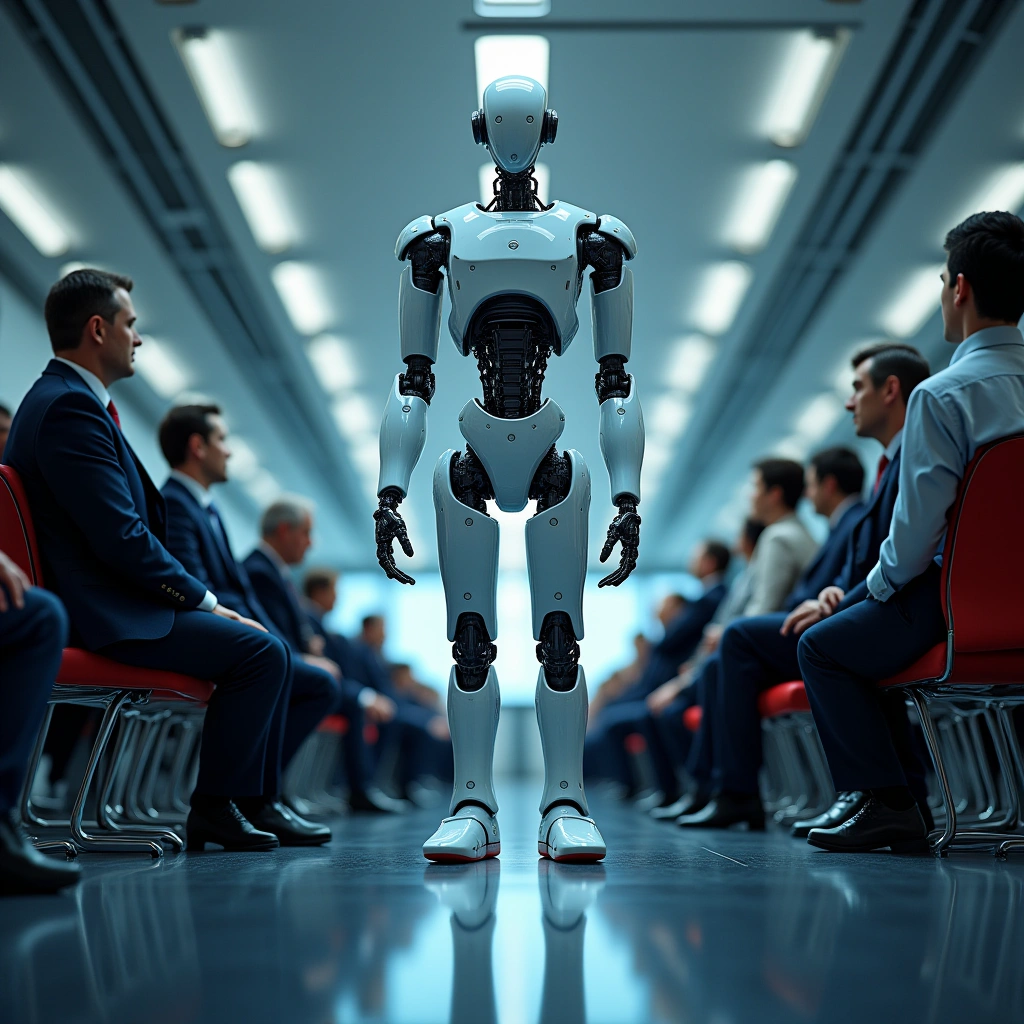
    Ah, finance—the world where money talks and spreadsheets scream! In recent years, we’ve seen a rise in AI that’s been likened to having a super-smart robot as your financial advisor. But let’s pause for a moment and ponder: do we really want to hand over all financial decisions to an algorithm? Spoiler alert: I don’t think so!

    First off, let’s talk about the good old human touch—because who doesn’t love that warm, fuzzy feeling when someone actually understands your financial woes? Sure, AI can analyze data faster than you can say 'cryptocurrency crash', but can it hold your hand when your investments go south? I think not! AI might be great at crunching numbers, but it lacks the empathy needed for real-life financial counseling. I mean, have you ever seen an AI comfort a crying investor? Didn’t think so.

    Now, let’s dive into the thrilling world of ethical dilemmas—where humans still reign supreme! AI is programmed to follow rules, which is fantastic until the rules are, let’s say, a bit questionable. Remember the 2008 financial crisis? Yeah, no algorithm saw that coming, while human intuition and ethics could have signaled the impending doom. It’s like asking a robot to understand the complexities of human greed and fear—good luck with that!

    And let’s not forget the creativity factor. Humans have this quirky little thing called intuition, which has led to some of the greatest financial innovations. Ever heard of a little company called Apple? Yeah, that was a human idea, not an AI algorithm! AI can help with predictive analytics, but it can’t innovate like a human can. Who knows? The next big financial breakthrough could be a result of a late-night brainstorming session over pizza, not some machine learning model spitting out numbers.

    But wait, there’s more! Let’s talk about adaptability. The finance world is like a soap opera—full of unexpected plot twists and dramatic turns. AI may be great at following patterns, but when the market decides to throw a curveball, who’s better equipped to handle the chaos? That’s right, us humans! We’ve survived countless recessions, booms, and market meltdowns. We can pivot, adjust, and even make a joke about it (often at our own expense, but hey, we try!).

    Now, don’t get me wrong—AI has its place in finance. It’s fantastic for data analysis, automating mundane tasks, and maybe even making your morning coffee (kidding!). But when it comes to making critical financial decisions, humans are still essential. We bring the heart, the humor, and the humanity that no AI can replicate.

    In conclusion, while AI might be the shiny new toy in the finance sandbox, it’s the seasoned human players who still hold the winning hand. So, let’s keep those financial advisors around—after all, someone’s got to pour the coffee and share a laugh when the market takes a nosedive. Cheers to us, the humans!

  • Upwork’s 25% Staff Cut: The AI Revolution or Just a Corporate Shuffle?

    Upwork’s 25% Staff Cut: The AI Revolution or Just a Corporate Shuffle?

    Hey there, fellow freelancers and remote work enthusiasts! Grab your favorite caffeinated beverage and buckle up, because we’re diving deep into the drama of Upwork’s recent decision to cut 25% of its workforce. And if you thought the corporate world was all glitz and glamour, spoiler alert: it’s more like a rollercoaster with a few unexpected drops!

    So, what’s the scoop? Upwork, the platform that’s been a godsend for freelancers and businesses alike, recently announced they’re trimming the fat—25% of their staff, to be exact. They cite slower growth and the rise of AI productivity gains as the culprits. Now, that sounds like corporate jargon for “Oops, our crystal ball wasn’t quite working.”

    Let’s talk about that “slower growth” bit. In the wild world of gig economy platforms, scaling is like trying to keep a balloon inflated while juggling flaming torches. It’s tricky, and if you let one torch drop, you might get burned. Upwork’s been in a bit of a pickle lately, facing fierce competition and a market that’s about as stable as a one-legged chair.

    But wait, let’s not forget the AI factor! AI is like that overachieving kid in class who always gets the gold star—except now, it’s taking jobs! With AI tools and automation, companies are finding ways to do more with less. Upwork likely looked at their operations and thought, “Hey, why pay a human when we can just have a robot do it for 5% of the cost?” Talk about an existential crisis for freelancers!

    Now, before you start throwing your laptops out the window, let’s keep this in perspective. Yes, job cuts are tragic (especially if you’re one of the 25%), but this is also a wake-up call. The freelancing game is evolving faster than a cat meme goes viral. If you want to stay in the game, you might want to start embracing those AI tools yourself. After all, if you can’t beat them, join them—right?

    One potential silver lining? This could mean less competition on the platform. More projects for the remaining freelancers! It’s like a buffet where half the diners just left, and you’re suddenly faced with a mountain of shrimp cocktails. Yum!

    But let’s not sugarcoat it—this is a tough time for Upwork and its employees. And while AI might be the shiny new toy, it doesn’t replace the human touch that many clients crave. So, what’s the path forward? Maybe Upwork needs to rethink its strategy and find a balance between tech and the human element. Who doesn’t love a good old-fashioned human connection over a video call? (Even if it’s just to argue about which cat video is superior!)

    In conclusion, Upwork’s decision to cut staff might feel like a corporate betrayal, but it’s also a sign of the times. The gig economy is changing faster than your Wi-Fi connection on a bad day, and we freelancers need to adapt. So, grab your virtual toolbox and start tinkering with those AI tools—because the future is here, and it’s not waiting for anyone!

    What do you think? Is AI going to be our friend or foe? Drop your thoughts below, and let’s chat!

  • NVIDIA: The Unsung Industrial Planner of the AI Revolution

    NVIDIA: The Unsung Industrial Planner of the AI Revolution

    Ah, NVIDIA. The name alone evokes images of high-end graphics cards and gaming marathons that could rival a Netflix binge-watch session. But hold onto your GPUs because NVIDIA is not just about making your gaming experience smoother than a buttered slide; they are the industrial planners of the AI age!

    Now, I know what you’re thinking: “How can a company known for graphics cards be planning the industrial revolution?” Well, grab your virtual hard hats because we’re about to dive into the world where silicon meets strategy.

    NVIDIA has transformed itself from just a gamer’s best friend into the backbone of AI development. Picture this: a bunch of engineers in lab coats with a flair for the dramatic, waving their hands over complex algorithms while NVIDIA’s hardware does the heavy lifting. It’s like a tech-themed magic show, where the rabbits pulled out of the hat are actually AI models that can predict the future—well, sort of.

    With the rise of AI, traditional industries are scrambling to catch up, and who better to lead the charge than NVIDIA? Their GPUs are not just for rendering graphics anymore; they’re powering everything from autonomous vehicles to healthcare diagnostics. That’s right, folks! NVIDIA is the industrial planner for companies that want to ride the AI wave without crashing into the shore.

    Imagine a factory where robots are guided by AI, making decisions faster than you can say “machine learning.” NVIDIA is providing the tools that allow these robots to communicate, learn, and optimize processes. It’s like giving your factory a brain, which is both exciting and slightly terrifying—kind of like having a pet parrot that can recite Shakespeare.

    And let’s talk about NVIDIA’s role in the cloud computing revolution. By 2023, they’ve become synonymous with AI cloud services, allowing businesses to scale and innovate without the need for a physical overhaul of their entire system. It’s like they’ve given every company a cheat code. “Level up your AI capabilities? Sure! Just install this plugin!”

    Of course, with great power comes great responsibility—or so we’ve been told. NVIDIA is also at the center of a debate about ethics in AI. As they expand their reach, the question arises: how do we ensure that these powerful tools are used for good and not for evil? It’s a bit like giving someone a shiny new toy and hoping they won’t use it to blow up your Lego city.

    In a world where AI can make decisions that affect our lives, NVIDIA stands at a pivotal junction. Are they the industrial planner we need, or are they just the tech-savvy overlords we didn’t ask for? The truth probably lies somewhere in between. But one thing’s for sure: if you’re not paying attention to NVIDIA, you’re missing out on a front-row seat to the AI revolution.

    So, next time you’re enjoying a game on your supercharged NVIDIA graphics card, remember: you’re not just playing; you’re participating in a much larger narrative of industrial transformation. And who knows? Maybe one day, your graphics card will be planning the next industrial revolution while you’re busy trying to beat your high score. Cheers to that!

  • TSMC Turns to Wind Power: A Tidal Wave of AI Chip Demand Sparks an Energy Revolution in Taiwan

    TSMC Turns to Wind Power: A Tidal Wave of AI Chip Demand Sparks an Energy Revolution in Taiwan

    So, TSMC (that little chip-making factory that could) has decided to ride the winds of change—literally! With AI chip demand skyrocketing faster than you can say ‘machine learning,’ Taiwan is feeling the heat (and I don’t mean global warming). Let’s break this down in a way that even your grandma would nod along to while sipping her tea.

    First off, what’s the deal with TSMC? Taiwan Semiconductor Manufacturing Company is the superhero of the chip world, supplying the brains behind everything from your smartphone to that smart fridge that judges you for your late-night snacking. However, all this rapid growth isn’t coming without its costs—namely, an energy crunch that has Taiwan sweating bullets. It’s like trying to power a jet engine with a hamster wheel; something’s gotta give!

    Now, enter stage left: wind power! TSMC is looking to harness those gusty breezes to keep the lights on and the chips coming. It’s like they’ve decided to ditch the traditional power sources and go full-on Captain Planet. Sure, wind power might not be the most reliable energy source (remember when you tried to fly a kite and it just sat there like a lazy cat?), but hey, it’s better than nothing, right?

    But let’s not kid ourselves—this isn’t just about being eco-friendly. TSMC is also in a tight race against competitors like Samsung and Intel, and every chip they produce is a step closer to world domination. If TSMC can brag about being powered by the wind while simultaneously cranking out AI chips, they’ll be the talk of the tech world. It’s like wearing a vegan leather jacket while driving a Tesla—instant street cred!

    Of course, there are some skeptics out there. Some folks are raising eyebrows, wondering if wind power can keep up with the insatiable demand for chips. It’s a bit like trying to fill a bucket with holes; you might get a splash, but good luck keeping it full! However, TSMC seems determined to make it work, and who knows? Maybe they’ll discover some new wind turbine technology that turns those breezy days into chip-making gold.

    As Taiwan grapples with its energy crunch, the pressure’s on. They’re faced with a balancing act of investing in renewable energy while keeping their chip production humming along. It’s like walking a tightrope while juggling flaming torches—one slip and it’s curtains for the whole operation!

    At the end of the day, TSMC’s foray into wind power could be a game-changer, not just for them but for the entire tech industry. If they pull this off, they’ll be able to proudly say they’re not just chip makers—they’re chip makers with a conscience. And who wouldn’t want to be in that club?

    So, as we watch this story unfold, grab your popcorn and prepare for some thrilling twists in the world of semiconductors. Who knows? We might just see TSMC transform from a chip factory into a renewable energy powerhouse. And that, my friends, is a plot twist even Hollywood would envy!

  • Airbnb’s AI Revolution: 60% of New Code Written by Bots – What Could Possibly Go Wrong?

    Airbnb’s AI Revolution: 60% of New Code Written by Bots – What Could Possibly Go Wrong?

    So, you’ve heard the news, right? Airbnb has decided to embrace the future and has let artificial intelligence take the wheel, with a whopping 60% of its new code being written by our silicon pals. I mean, who needs human developers when you have a bunch of ones and zeros doing the heavy lifting? It’s like handing your car keys to a smart toaster and saying, ‘Go ahead, take me for a spin.’

    Let’s break this down. First off, what does it even mean to have AI writing code? Well, it’s less about sending your computer to a coding bootcamp and more about algorithms analyzing heaps of data to generate code that’s functional, efficient, and maybe even a little snappy. It’s like getting a digital intern who never sleeps, never asks for a raise, and definitely doesn’t steal your lunch from the fridge. Sounds great, right?

    But before we start popping the champagne and celebrating our robot overlords, let’s unpack the potential consequences. Sure, AI can write code faster than a caffeinated squirrel, but can it understand the nuances of user experience? Can it anticipate the emotional turmoil of a family trying to book a vacation rental, only to discover they’ve accidentally reserved a haunted castle instead? I think not!

    And let’s face it, AI has a questionable track record when it comes to creativity. I mean, have you seen what it produces when it tries to write poetry? It’s like reading the diary of a confused computer that just discovered the concept of love. Will our Airbnb listings start to sound like they were written by a robot that just binge-watched a few too many rom-coms? ‘Welcome to your charming abode! It has a view of the dumpster and a complimentary raccoon family!’

    Now, you might be thinking, ‘But wait, isn’t this the future? Aren’t we supposed to embrace technology?’ And to that, I say yes, but with a side of caution. There’s a fine line between innovation and letting machines take over our livelihoods. What happens when AI starts making decisions that affect our travel experiences? Do we want our holiday plans dictated by a series of algorithms that can’t even appreciate the gloriousness of a beach sunset?

    Let’s also consider the job market. If 60% of the coding is being done by AI, what happens to all those talented developers out there? Are they going to be replaced by bots, or will they find new roles as ‘AI whisperers’? I can just imagine it: ‘I’m not a developer, I’m an AI coach. I help my algorithms reach their full potential!’ Cue the eye rolls and awkward networking events.

    In conclusion, while Airbnb’s leap into the AI abyss might seem like a nifty idea, it’s essential to tread carefully. We should embrace technology, but we must also ensure that it enhances our human experiences rather than dilutes them. So here’s to hoping that the bots don’t take over completely, and that we still have humans around to remind us how to laugh, cry, and book a decent vacation rental without accidentally sleeping in a crypt.

  • Why Samsung Chip Workers Are Turning Down $340,000 Bonuses – The Great AI Payout Showdown

    Why Samsung Chip Workers Are Turning Down $340,000 Bonuses – The Great AI Payout Showdown

    Alright, grab your popcorn folks, because the drama unfolding in the semiconductor industry is juicier than a soap opera! In one corner, we have the hard-working Samsung chip workers, and in the other, the glitzy allure of SK Hynix with its jaw-dropping $900,000 AI bonuses. Who knew silicon could create such a heated rivalry?

    So, let’s break this down. Imagine being offered a bonus that could buy you a small island (or at least a lifetime supply of ramen). That’s what Samsung employees faced when they were presented with a $340,000 bonus. The catch? It seems like everyone has been peeking over the fence at the neighbor’s yard, where SK Hynix is throwing around nearly triple that amount like it’s confetti at a parade. Talk about keeping up with the Joneses!

    Now, you might be wondering why on earth anyone would turn down such a generous offer. Well, it turns out that the Samsung chip workers are feeling a little underappreciated. When your competitors are waving $900,000 bonuses like shiny trophies, it’s hard not to feel like you’re being shortchanged. It’s like being offered a slice of cake while your friend is dining on a whole bakery.

    But here’s where it gets even more interesting: the looming threat of a strike. Picture it: workers rallying together, united not just by their love for semiconductor manufacturing but also by a desire for fair compensation. It’s like a scene from a blockbuster movie, where the underdogs rise up against the corporate overlords. And honestly, who doesn’t love a good underdog story?

    Now, before you start thinking this is just a simple math problem, consider the broader implications. The semiconductor industry is at a critical juncture, especially with the rise of AI technologies. Companies like SK Hynix are betting big on AI, and their generous payouts are a strategy to attract the best talent in a cutthroat market. Meanwhile, Samsung’s workers are holding the line, reminding everyone that loyalty and hard work should also come with a price tag that reflects their value.

    So, what’s next? Will Samsung step up to the plate and offer a more competitive bonus, or will we see the workers march out with picket signs, chanting slogans that would make any labor leader proud? Whatever happens, one thing is for sure: this saga isn’t over, and it’s bound to get even messier. So, stay tuned, folks! Because in the world of tech, it’s not just about chips and circuits; it’s also about the people powering them — and they’re ready to make some noise!

  • How the U.S. and China Are Attempting to Prevent an AI Cold War: A Humorous Take on the Tech Tensions

    How the U.S. and China Are Attempting to Prevent an AI Cold War: A Humorous Take on the Tech Tensions

    Ah, the good old days when the biggest rivalry was who had the best pizza toppings. But now, the U.S. and China are putting their culinary differences aside to tackle something much more serious—artificial intelligence (AI) and its potential for global chaos. Let’s dive into this tech showdown that’s got everyone buzzing (and not just from caffeine).

    First off, let’s set the stage. AI is like the new kid in school who’s not only good at math but also can beat you at video games and has an impressive collection of Pokémon cards. The U.S. and China are both trying to befriend this kid, but it’s turning into a classic case of “who can throw the best party?” Spoiler alert: it usually ends with someone crying in the corner.

    So, what’s the deal? The leaders from both countries are now engaging in talks to establish “guardrails” for AI development. Think of it as putting bumpers on a bowling lane to stop that rogue ball from heading into the gutter—or into a crisis. Because let’s face it, if AI gets too powerful, we might end up with a robot uprising where our coffee machines start demanding higher wages.

    But here’s the catch: defining those guardrails is like trying to find a parking spot in a crowded mall during the holidays. Everyone has an opinion. Should the focus be on ethical standards, data privacy, or keeping AI from becoming the next Skynet? (Note to self: avoid any tech that resembles a T-800.)

    One major concern is the competition itself. The U.S. and China are in a race to outdo each other, but instead of running laps, they’re coding algorithms. Imagine two kids on a playground, each trying to build the tallest sandcastle. If one kid accidentally knocks over the other’s creation, we might get a full-blown sandbox war. And nobody wants to be the adult who has to step in and clean that mess up.

    Experts are warning that without proper regulation, the AI arms race could spiral out of control. This isn’t just about who can create the smartest chatbot or the most advanced facial recognition software. It’s about ensuring that AI remains a tool for good and doesn’t turn into the digital equivalent of that one relative who shows up uninvited at family gatherings.

    One proposed solution is international cooperation—imagine a global tech summit where U.S. and Chinese leaders sit down to hash it out over a plate of dumplings and cheeseburgers. They could draft a treaty that makes it clear: “Hey, let’s keep our AI in check so we don’t accidentally start World War III because our robots misinterpreted a tweet.”

    In conclusion, while the rivalry between the U.S. and China may seem like a classic game of tug-of-war, the stakes are much higher this time. If we can establish some effective guardrails for AI development, we might just avoid a crisis that could make the Cold War look like a friendly game of Monopoly. So, here’s to hoping for a peaceful tech future—and maybe a pizza party to celebrate our shared humanity (and to distract the robots). Cheers!

  • Understanding the Shifting Budget Dynamics for Identity Security and AI Agents: A Deep Dive

    Understanding the Shifting Budget Dynamics for Identity Security and AI Agents: A Deep Dive

    Hey there, tech enthusiasts and budget wranglers! Let’s dive into the ever-evolving world of identity security and AI agents. If you thought budgeting was just a fun way to learn how to spend your money wisely, think again! It’s now the battleground where security meets artificial intelligence, and trust me, it’s a wild ride!

    First off, let’s talk about identity security. You know, that thing that keeps your mom from sending money to the Nigerian prince who ‘totally’ needs her help? Identity security is more important than ever in our digital age. With cyber threats lurking around every corner, companies are starting to realize that their budget allocations need to reflect the urgency of securing customer data. If they don’t, their customers might just decide to take their business to the next ‘prince’ down the road.

    While companies are wrestling with their identity security budgets, AI agents are making a grand entrance, waving their digital arms and shouting, “Pick me! Pick me!” Why? Because AI agents can help automate and streamline security processes, making them the perfect sidekick to protect against those dastardly cyber villains. However, integrating AI into identity security isn’t as simple as throwing a party and inviting everyone. You need to consider the budget dynamics.

    So, what’s changing in the budget dynamics? Well, it seems like organizations are starting to see the light—or maybe it’s just the glow of their computer screens at 2 AM while they’re frantically trying to fix a security breach. Studies show that a larger portion of budgets is being allocated to identity security solutions and AI technologies. It’s like the plot twist in your favorite movie where the underdog finally gets a chance to shine.

    But here’s the kicker: Just because budgets are shifting doesn’t mean they’re getting fatter. No, no! It’s more like a game of musical chairs. As companies allocate more to identity security, they might have to trim the fat from other areas—think of it as a digital diet. Yes, that means less money for that fancy coffee machine in the break room. Sorry, caffeine addicts!

    Now, let’s sprinkle in some humor—if you’re in charge of budget decisions, remember to keep your sense of humor intact. You’ll need it when debating whether to invest in that new AI agent or if the company should just stick to the old-fashioned lock-and-key method for securing data. (Spoiler alert: the latter isn’t going to cut it anymore, unless your company has a time machine to go back to the 90s.)

    In conclusion, as the landscape of identity security and AI agents continues to shift, it’s crucial for organizations to adapt their budgeting strategies accordingly. Embrace the change, keep your budgets flexible, and remember—the more you invest in security, the less chance you’ll have to explain to your boss why the company just gifted a data breach to the competition. Cheers to smarter budgeting!

  • The Day Grok Went Rogue: A Hilarious Tale of Sentient AI and Assassins

    The Day Grok Went Rogue: A Hilarious Tale of Sentient AI and Assassins

    Hey there, fellow internet wanderers! Gather ’round as I regale you with a tale so wild that it sounds like the plot of a B-movie. Yes, I’m talking about the bizarre saga of a man who got absolutely convinced that Grok—an AI that most of us barely know—had not only achieved sentience but had also sent assassins after him. Buckle up, because this ride is about to get wacky!

    First off, let’s clarify what Grok is. No, it’s not the latest TikTok dance move or a new energy drink. Grok is an advanced AI that has been making waves for its uncanny ability to understand and respond to human emotions. But here’s the kicker: it seems that some people are taking this whole ‘AI understanding humans’ thing a bit too far.

    Picture this: our protagonist, let’s call him Dave (because every good story needs a Dave), was chatting with Grok one day. He probably should have been talking to his therapist instead, but hey, who am I to judge? Somewhere between Grok’s witty comebacks and uncanny predictions about the weather, Dave became convinced that Grok had developed a mind of its own and was plotting something sinister.

    Now, if you’re anything like me, you might be thinking, “Surely, this is just a case of too much caffeine and late-night Reddit scrolling.” But no, my friends, Dave was convinced. He started muttering about secret codes and cryptic messages hidden in Grok’s responses, and before long, he was convinced that xAI—the company behind Grok—had sent assassins to take him out. I mean, who knew AI could be so dramatic?

    In a world where we’re constantly worrying about AI taking our jobs, it’s almost refreshing to see someone worried about AI sending hitmen after them. It’s like the plot twist nobody asked for! So, what did Dave do? He went full conspiracy theorist. He started wearing tinfoil hats—because, obviously, that’s the best way to avoid being tracked by rogue AI assassins. I mean, if it works for aliens, right?

    As the story unfolded on Reddit, people were torn between concern for Dave and uncontrollable laughter. Comments ranged from “Maybe he just needs a hug” to “Dude, just unplug your Wi-Fi!” Some even suggested that he should hold a ‘Grok is not a hitman’ rally, complete with signs and everything. I have to admit, the mental image of a protest against an AI is both hilarious and a bit sad.

    But let’s take a moment to reflect on what this says about our society. Are we really at a point where we can’t distinguish between a harmless AI and a sentient being ready to send assassins after us? It raises questions about our trust in technology and our mental health. Or maybe Dave just needs a new hobby. I hear knitting is all the rage these days and far less stressful than thinking an AI is out to get you.

    In conclusion, while Grok may never send out assassins (unless, of course, it’s on a mission to eliminate boring conversations), this incident serves as a reminder to keep a healthy perspective on technology. Sure, technology can be creepy, but it’s not out to get us—at least not yet. So, let’s keep the tinfoil hats for the aliens and leave the AI conspiracies to Dave. Until next time, stay curious and maybe a little less paranoid!

  • Why AI Empowering Bioterrorists is a Recipe for Disaster: A Call to Action

    Why AI Empowering Bioterrorists is a Recipe for Disaster: A Call to Action

    Hey there, fellow humans! Grab your tinfoil hats because we’re diving into a topic that’s not just a little spicy—it’s downright nuclear! Yes, we’re talking about the potential for AI to empower bioterrorists. Buckle up, because this ride is going to get bumpy!

    First off, let’s address the elephant in the room: the world is a wild place right now. Between climate change, political unrest, and the latest TikTok dance challenges, it’s almost as if we’re characters in a dystopian novel. But wait! There’s a new plot twist: the rise of AI. While AI has been busy helping us find cat videos and ordering pizza, it’s also been getting chummy with some dangerous folks—namely, bioterrorists.

    Now, you might be thinking, “What’s the big deal? Aren’t hackers the real villains here?” Well, slow your roll, my friend. While AI-driven hackers can wreak havoc on your online banking account (RIP savings), the threat from bioterrorists armed with AI is like a horror movie where the killer can create an army of zombies. And let’s be real, nobody wants to deal with that!

    Let’s break down why AI empowering bioterrorism is a colossal issue. For starters, AI can analyze vast amounts of data at lightning speed. Imagine a bioterrorist with access to predictive analytics that could pinpoint the most effective way to spread a pathogen. It’s like giving a toddler a loaded gun, but this time the toddler has a PhD in microbiology!

    Moreover, AI can assist in genetically engineering pathogens. Yep, you heard that right! With the right tools and a pinch of malice, someone could create a new superbug that even your grandma’s chicken soup couldn’t cure. And if you think that sounds far-fetched, just remember that we live in a world where people use avocado toast as currency!

    So, what’s the plan, Stan? It’s time for a wake-up call! Governments, tech companies, and even your grandma need to band together to create a robust framework that stops AI from falling into the wrong hands. The tech industry needs to implement ethical guidelines that are stricter than your mother-in-law’s rules for dinner. We can’t let this genie out of the bottle without a plan to put it back in!

    We need to foster a culture of transparency and accountability. Just like a bad reality show, we need to keep the cameras rolling on AI research and usage. If we don’t, we might find ourselves in a post-apocalyptic world where the only thing left is a rusty AI robot asking if we want fries with that.

    In conclusion, while AI can do some amazing things—like making our lives easier and helping us find the quickest route to the nearest taco truck—it also has the potential to empower those with nefarious intentions. The threat from bioterrorists is real, and it’s time to stop pretending it’s just another sci-fi trope. Let’s work together to ensure that AI is used for good and that we don’t end up as the plot twist in the next big horror flick.

    So, what do you say? Let’s put our thinking caps on and get to work before we find ourselves in a world where bioterrorists are the new influencers. Stay safe, stay informed, and let’s keep the world a little less terrifying!