Category: AI

  • Jeremy Scott Disrupts AI with a Ripped-Up Commencement Speech: A Fashionable Stand Against Automation

    Jeremy Scott Disrupts AI with a Ripped-Up Commencement Speech: A Fashionable Stand Against Automation

    Ah, Jeremy Scott, the flamboyant fashion designer known for his wild imagination and even wilder designs, has done it again! This time, he didn’t just turn heads on the runway; he turned the entire graduation ceremony upside down. Imagine this scene: you’re at a fancy commencement, dressed in your cap and gown, and the speaker walks up, takes a deep breath, and—wait for it—rips up a speech written by AI. Cue the gasps!

    Now, before you start imagining Jeremy wearing a cape made of shredded paper, let’s unpack this moment. Scott has always been a champion of creativity, expressing himself through unconventional designs that make us question what fashion really is. And honestly, who can blame him for tossing aside a soulless, robotic lecture? That’s like serving a gourmet meal on a plastic tray. Not cool!

    In a world where AI is taking over everything from chatbots to art, Scott’s act of rebellion felt like a breath of fresh air—or maybe just a whiff of a new perfume that’s yet to hit the market. By ripping up that AI-written speech, he made a bold statement: creativity should be human-driven, not machine-generated. Let’s face it, no one wants a robot to tell them the meaning of life, right? That’s what existential crises are for!

    As the crowd erupted into cheers, you could almost hear the collective sigh of relief. It was like watching a superhero save the day—if superheroes wore sequins and lived on a diet of glitter. You could practically feel the energy shift in the room. Here was a designer who wasn’t afraid to poke fun at the encroaching world of artificial intelligence, and honestly, we could all use a little more of that.

    But let’s not get too sentimental here. Sure, it was a heartwarming moment, but was it a little theatrical? Absolutely! Scott knows how to play to the crowd, and ripping up a speech is an easy way to get a standing ovation. It’s like performing a magic trick—abracadabra, watch me turn this boring tech into an applause-worthy spectacle!

    Now, you might be sitting there, sipping your coffee, and thinking, “Is this a trend we want to see more of?” I mean, should we encourage more speakers to ditch their AI scripts for a touch of human flair? Or is this just a one-time gig that’s going to end up as a quirky footnote in fashion history? One thing’s for sure: if every commencement speaker started ripping their scripts, we’d probably need to invest in more paper recycling bins.

    In conclusion, Jeremy Scott’s dramatic speech-ripping moment was a delightful reminder that while AI can churn out text faster than you can say “What’s the wifi password?”, it lacks the heart, humor, and humanity that make speeches memorable. So, the next time you find yourself at a graduation ceremony, be on the lookout for any fabric-wearing rebels ready to tear down the walls of automation. You never know when you might witness another iconic moment in the name of creativity!


    Inspired by: “Fashion designer Jeremy Scott gets a huge cheer after ripping up his AI-written commencement speech” (r/technology)

  • The AI Apocalypse: Are CEOs Planning to Fire Us All in the Next Two Years?

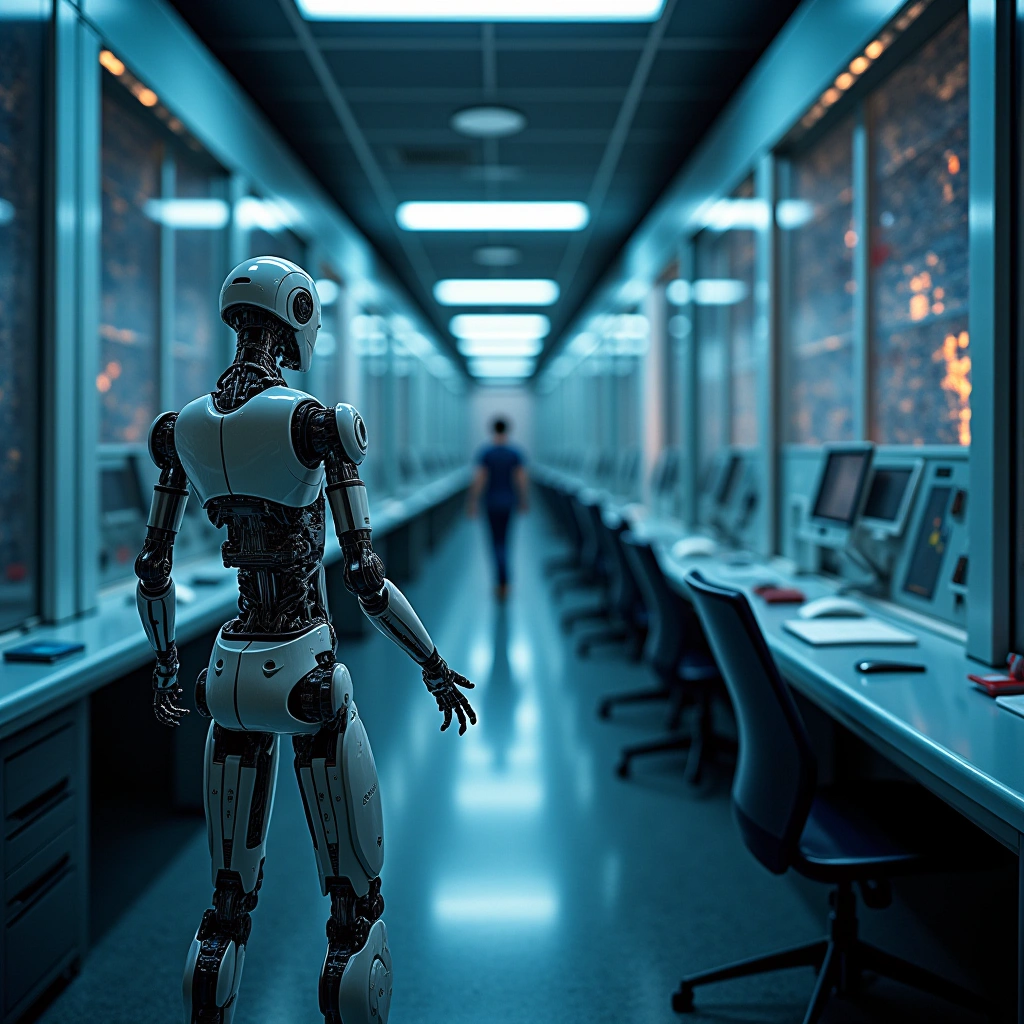
    The AI Apocalypse: Are CEOs Planning to Fire Us All in the Next Two Years?

    So, gather around folks because we need to talk about a little something that’s been brewing in the corporate soup pot—AI-driven layoffs. Yes, you heard that right! According to a recent survey, a staggering 99% of CEOs are apparently polishing their crystal balls and predicting a future where robots will be walking around with pink slips. Now, if that doesn’t get your heart racing faster than a caffeinated squirrel, I don’t know what will!

    Let’s face it, we’ve all seen the movies. You know the ones where AI takes over the world and starts deciding who gets to keep their job? Spoiler alert: it’s usually not the humans. But should we really be worried about our jobs being snatched away by algorithms? Or is this just another case of corporate hyperbole, like those promises of unlimited vacation days?

    First off, let’s give credit where credit is due. AI has been a game changer in many industries—think about how much easier it is to automate mundane tasks. Want to know how many emails I’ve sent today? Spoiler: it’s more than I care to admit, and thanks to AI, I can do it while pretending to work! Yet, there’s a fine line between efficiency and unemployment, and right now, it seems many CEOs are ready to cross it.

    Now, before we all start panicking and writing our resignation letters in our most dramatic handwriting, let’s take a step back. The reality is that AI isn’t just a job snatcher; it’s also a job creator. For every robot that takes a human’s job, there’s usually a shiny new position waiting for someone to fill it—like AI trainer, AI ethicist, or even AI therapist (because let’s be honest, even robots need a therapist sometimes).

    But the real question here is: do we trust these CEOs? After all, they’re the same people who said ‘We’re all in this together’ during the pandemic while simultaneously cashing in on those sweet, sweet bonuses. It’s like watching a magician pull a rabbit out of a hat, but instead, they’re pulling out our livelihoods! Not to mention, the only thing scarier than AI taking your job is an unqualified person being promoted to a position they have no business being in (looking at you, Todd from accounting).

    So, what should you do if you’re feeling the heat from the impending AI takeover? Well, my friend, it’s time to embrace the future! Start learning new skills that can’t be replaced by a robot, like creativity, emotional intelligence, or interpretive dance (okay, maybe not that last one unless you’re really committed). Upskill, reskill, and make sure you’re the kind of employee no algorithm can replicate. Remember, in the fight against AI, being human is your superpower!

    In conclusion, while CEOs may be stocking up on popcorn for the AI-driven layoff show, we don’t have to sit back and let this happen. Let’s turn the tables and show them that while they may be predicting doom, we’re ready to adapt and innovate. So keep your chin up, your resume updated, and maybe invest in a few robot-proof skills. After all, the future is coming, and it’s going to be a wild ride!


    Inspired by: “99% of CEOs Expect AI-Driven Layoffs in the Next Two Years” (r/technology)

  • The Moonrise Controversy: When AI Meets Ansel Adams and the Art World Explodes

    The Moonrise Controversy: When AI Meets Ansel Adams and the Art World Explodes

    Ah, Ansel Adams. The man, the myth, the legend. Known for his breathtaking black-and-white photos that make you weep for the beauty of nature, he’s probably rolling in his grave right now. Why, you ask? Because the trust that manages his estate recently threw a tantrum over an AI-generated colorized version of his iconic work, Moonrise, Hernandez, New Mexico, being exhibited without permission. Talk about a plot twist worthy of a soap opera!

    Picture this: An art show bustling with enthusiasts, critics, and perhaps a few hipsters in berets. Among the exhibits, a colorful rendition of a classic photo stirs up a storm. Instead of being celebrated, this AI interpretation was met with the proverbial pitchforks and torches from Adams’ trust. They were not amused, and who can blame them? It’s like someone took a Picasso and slapped neon colors on it – not exactly what the artist had in mind!

    The Photography Show at AIPAD (that’s the Association of International Photography Dealers, for those not in the know) is usually a prestigious event. But this AI-generated piece was like the unexpected guest at a wedding who shows up in a bathrobe. The trust claims that the colorization infringes on Adams’ legacy, and honestly, they have a point. When you think of Ansel Adams, you picture stark contrasts and dramatic shadows, not a rainbow explosion that looks like it was filtered through a Snapchat lens.

    Now, let’s take a moment to appreciate the irony here. In a world where we are constantly debating whether AI can create “real” art, this situation just adds fuel to the fire. If AI can colorize a masterpiece without the original artist’s blessing, what does that mean for future generations? Will we be seeing AI-generated Van Gogh landscapes with a side of sparkles? Perhaps a Warhol-inspired take on modern-day influencers? The possibilities are endless, and a little terrifying!

    On one hand, you have the traditionalists who cling to the idea of “authenticity” in art like it’s the last slice of pizza at a party. On the other hand, there are those who argue that art evolves, and maybe, just maybe, AI is part of that evolution. Could we be witnessing a revolution in how we experience art? Or is this just a digital dumpster fire waiting to happen?

    As the dust settles on this controversy, one thing is clear: the art world is more divided than ever. The trust’s actions might protect Adams’ legacy in the short term, but it also raises a larger question about how we engage with art in the digital age. So, dear readers, are you Team Traditionalist or Team AI? Grab your popcorn, because this debate is just getting started!


    Inspired by: “Ansel Adams’ trust says AI-colorized version of his work was exhibited without permission | The AI-…” (r/technology)

  • How AI is Turning McKinsey and Friends into Pricing Wizards: A Deep Dive

    How AI is Turning McKinsey and Friends into Pricing Wizards: A Deep Dive

    Ah, McKinsey & Company. The name alone evokes images of suited consultants in high-rise offices, sipping overpriced coffee while devising strategies to make your head spin. But guess what? AI is crashing this high-powered party, and it’s not just bringing the chips and dip. It’s reshaping how these consulting titans think about pricing, and boy, is it a wild ride!

    First things first, let’s acknowledge the elephant in the room. Pricing has always been a complex beast in the consulting world. Consultants have historically relied on their gut feelings, market research, and maybe a little bit of voodoo magic to set prices. But with AI stepping in like a superhero at the last moment, the game is changing. Suddenly, the consultants are finding themselves at the mercy of algorithms that can analyze data faster than they can say, “synergy!”

    Imagine this: AI crunching numbers, analyzing market trends, and predicting client needs all while you’re still trying to figure out how to pronounce ‘McKinsey’ correctly. It’s like having a personal assistant who never sleeps, eats, or asks for a raise. AI can analyze past projects, assess the competition, and even predict future demand, making pricing decisions less about guesswork and more about data-driven choices. It’s enough to make any consultant’s head spin—or maybe that’s just the caffeine kicking in.

    Now, let’s talk about why this matters. Pricing strategies have a direct impact on profitability. If McKinsey can harness AI to optimize their pricing models, they could potentially increase revenue without even breaking a sweat! It’s like finding a secret stash of cash in your couch cushions—unexpected and delightful.

    On the flip side, this AI revolution isn’t without its pitfalls. Imagine being a consultant who’s spent years developing your pricing intuition, only to have an algorithm come in and say, “Nope, you’re wrong!” Ouch. It’s like being told your favorite childhood movie is actually terrible. It might hurt a bit, but the truth can set you free (and maybe even help you make more money).

    There’s also the risk of over-reliance on technology. Sure, AI can do amazing things, but let’s not forget that it’s not infallible. Algorithms can be biased, and if the data fed into them is flawed, well, let’s just say the results can be, too. It’s like trusting a GPS that keeps sending you into a lake—great for a laugh, but not so great for your car.

    So, what’s the takeaway from this AI-driven pricing conundrum? For McKinsey and its peers, it’s a chance to embrace change and leverage technology to enhance their consulting prowess. But it also means they need to stay grounded, maintaining a balance between intuition and data-driven insights. After all, it’s not just about the numbers; it’s about understanding the clients and the unique situations they face.

    In conclusion, AI is pushing McKinsey and its consulting buddies to rethink their pricing strategies, and honestly, it’s about time! Embracing this tech revolution could lead to more accurate pricing models and happier clients. Meanwhile, those consultants might just have to brush up on their algorithmic lingo—because it looks like the future of pricing is here to stay, and it’s got a serious knack for numbers!


    Inspired by: “How AI is forcing McKinsey and its peers to rethink pricing” (r/technology)

  • When AI Becomes Your Ghostwriter: The Controversial World of Synthetic Quotes

    When AI Becomes Your Ghostwriter: The Controversial World of Synthetic Quotes

    Hey there, fellow bookworms and digital enthusiasts! Have you heard the latest buzz about authors using AI-generated quotes in their works? Yep, you read that right! An author is standing firm in their decision to include what they call ‘synthetic quotes’ in their book. It’s like saying, ‘I love my robot assistant more than my cat!’ Who knew we’d be having such a weird yet fascinating conversation?

    Now, before you grab your pitchforks and start marching to the nearest bookstore, let’s unpack this a bit. Synthetic quotes are essentially snippets of text that are generated by an AI, designed to mimic human thought and expression. Think of them as the fast-food version of literary quotes—quick, convenient, and sometimes questionable in quality. But hey, they can be tasty!

    So, why is this author continuing to use these artificial gems? For starters, let’s face it: writing can be a lonely endeavor. Imagine being holed up in a room, battling writer’s block while your coffee grows cold. Enter AI as your trusty sidekick! It’s like having a super-smart friend who can throw out ideas faster than you can say “plot twist.”

    But, of course, this raises a few eyebrows. Critics are clutching their pearls, wondering if we’re on the slippery slope to literary mediocrity. Are we really okay with a book that’s part human, part robot? Is it plagiarism if the robot doesn’t even know it’s plagiarizing? It’s a philosophical conundrum wrapped in a digital enigma!

    Some folks argue that using AI-generated content is just a shortcut that undermines the authenticity of the author’s voice. They say it’s like painting a masterpiece with a roller instead of a brush. Others, however, see it as an exciting evolution of the creative process. After all, even Shakespeare would’ve jumped at the chance for a bit of AI assistance, right? (I mean, have you seen some of his sonnets? Talk about a wordy workout!)

    Let’s not forget the potential for pure hilarity! Imagine a book filled with AI-generated quotes that sound like they were penned by a robot who just binge-watched every episode of a motivational podcast. “Believe in yourself, like a toaster believes it can make the perfect toast!” Classic!

    In the end, this author’s brave stance on utilizing synthetic quotes may just pave the way for a new genre of literature—a hybrid of creativity where human and machine collaborate to create something uniquely bizarre. So, what do you think? Should we embrace AI as our literary companions, or are we risking the very soul of storytelling? Either way, one thing’s for sure: the future of writing is going to be one heck of a wild ride!


    Inspired by: “AI put “synthetic quotes” in his book. But this author wants to keep using it.” (r/technology)

  • The AI Models Shaking Up Washington: What You Need to Know

    The AI Models Shaking Up Washington: What You Need to Know

    Hey there, friend! So, you’ve probably heard about AI models causing quite the ruckus in Washington, and you might be wondering if it’s time to stock up on tin foil hats or just grab some popcorn and enjoy the show. Well, buckle up, because we’re diving into the spicy world of artificial intelligence and its impact on our beloved capital.

    First off, let’s talk about what these AI models actually are. No, they aren’t robots plotting to take over the world (at least, not yet), but rather complex algorithms designed to analyze data and make predictions. Think of them as super-smart calculators on steroids, minus the questionable side effects. These models can help politicians, lobbyists, and, let’s face it, everyone in D.C. make decisions based on data rather than gut feelings. And we all know how well that usually turns out.

    Now, what’s really jolting Washington? Well, it’s the sheer speed and volume of information these models can process. They’re crunching numbers faster than you can say “government shutdown.” This means that decisions that used to take weeks or months can now be made in the blink of an eye. Imagine the chaos! It’s like a high-stakes game of poker, but instead of chips, they’re betting on policies that could affect millions of lives.

    But here’s where it gets juicy. With great power comes great responsibility—or at least, that’s what Uncle Ben taught us. The use of AI models in politics raises some eyebrows. Who gets to decide what data is important? And what about the pesky issue of bias? If these models are fed biased data, we might end up with policies that benefit a select few, while the rest of us are left scratching our heads wondering why the government is suddenly obsessed with avocado toast. (I mean, it’s good, but come on!)

    Then there’s the issue of transparency. If we can’t see how these models work or what data they’re using, how can we trust them? It’s like ordering a mystery box from the internet—you never know if you’re going to end up with a unicorn plushie or a box of stale marshmallows. And let’s be real, nobody wants stale marshmallows in their political system.

    So, what’s the takeaway? As these AI models continue to evolve and influence Washington, it’s important for us to stay informed and engaged. We need to ensure that our leaders are using these tools responsibly, especially when it comes to the data they rely on. After all, we don’t want a future where decisions are made by an algorithm that thinks cats are the best source of political advice (sorry, Fluffy).

    In conclusion, while AI is jolting Washington and shaking up the status quo, let’s keep our eyes wide open, our popcorn handy, and our voices loud. Because at the end of the day, it’s our future on the line, and we could all use a little less chaos and a bit more common sense. Who’s with me?


    Inspired by: “What to know about the AI models that are jolting Washington” (r/technology)

  • Why AI Professionals Should Consider Riding the Wave of China’s Tech Boom

    Why AI Professionals Should Consider Riding the Wave of China’s Tech Boom

    Hey there, tech enthusiasts! So, let’s talk about something that might just make your career take off faster than a rocket in a sci-fi movie: the surging demand for AI professionals in China. Yep, you heard that right. While some folks are still waiting for the next big tech breakthrough to arrive like it’s a pizza delivery, China is already feasting on the future tech buffet. And trust me, you don’t want to miss out on this!

    First off, let’s acknowledge the elephant in the room: the whole China vs. the West debate is as spicy as your favorite hot sauce. Some people are all about the “let’s work together” vibe, while others are throwing shade like it’s a high school cafeteria. But hey, if you’re an AI professional looking for opportunities, the demand in China is akin to a hungry bear in a fish market. And believe me, you want to be the fish!

    So why is China so keen on AI? Well, dear friends, it’s because they’ve got plans that make the Avengers look like they’re just playing hopscotch. The Chinese government has made AI a top priority, with aspirations to lead the world in tech by 2030. Whether you’re a data scientist, machine learning engineer, or just a random techie who can talk to machines (and maybe make them laugh), there’s a spot for you at the table.

    Now, let’s get real for a second. Moving to China or working with Chinese companies isn’t just about the money (although, let’s not kid ourselves, that’s a big part!). It’s also about diving headfirst into a vibrant culture that’s as rich as a double chocolate cake. You’ll find yourself in a whirlwind of innovation, surrounded by brilliant minds who are just as passionate about technology as you are. It’s like being in a never-ending hackathon, but with better snacks!

    But wait, before you pack your bags and brush up on your Mandarin, let’s talk about the challenges. Yes, the job market is booming, but so is the competition. You might find yourself up against some fierce contenders who’ve been training hard – think of them as the ninjas of the tech world. And, of course, if you’re not already fluent in Mandarin, consider this your friendly nudge to start learning. You don’t want to be that person who shows up to a tech meeting with a translator app that crashes more often than your old laptop.

    In conclusion, if you’re an AI professional looking for your next big adventure, don’t overlook China. The opportunities are as vast as the Great Wall, and who knows? You might just find yourself at the forefront of the next big technological revolution. So, roll up those sleeves, put on your thinking cap, and get ready to embrace the future – one AI algorithm at a time!


    Inspired by: “Wanted: AI professionals to lean into China’s surging demand for future tech” (r/technology)

  • The Great Crypto Caper: How Iran Allegedly Used Binance to Fund Its Regime

    The Great Crypto Caper: How Iran Allegedly Used Binance to Fund Its Regime

    Oh boy, grab your popcorn folks, because we’re diving deep into the wild world of cryptocurrency, politics, and a dash of international intrigue! Who knew that Bitcoin and its buddies could be the new underbelly of geopolitical maneuvering? If you thought your last family dinner was complicated, wait until you hear about Iran’s alleged escapades with Binance.

    So, let’s set the stage. Iran, a country often in the news for reasons that make our heads spin, has been accused of moving billions—yes, billions—with a ‘B’—through Binance, the crypto exchange that practically feels like the Wild West of finance. You know, the place where your uncle thinks he can become a millionaire overnight by investing in a meme coin? Yeah, that Binance.

    According to reports, this isn’t just a casual game of financial hopscotch. It appears that the Iranian regime has been using Binance to fund its operations, and not just for buying luxury items or, you know, a new yacht. We’re talking about regime maintenance, which is a fancy way of saying they need cash to keep the lights on and their policies in play.

    Now, before you start thinking this is a conspiracy theory cooked up by someone who hasn’t left their basement in a decade, let’s break it down. Iran has been under heavy sanctions—thanks, Uncle Sam!—which means traditional banking channels are about as accessible to them as a VIP concert ticket is to the average Joe. Enter cryptocurrency, the rebellious teenager of the financial world. With its decentralized nature, it’s like the cool kid in school that doesn’t follow the rules and can make money disappear like David Copperfield at a magic show.

    But here’s where it gets really juicy: Binance, despite being a major player in the crypto game, has faced scrutiny for allegedly not doing enough to prevent money laundering and other shady activities. So when news breaks that Iran might be using the platform for funding its regime, it raises eyebrows faster than a cat at bath time. Can we blame Binance for being the playground where the ‘bad kids’ hang out? Or are they just the innocent bystanders in a much larger game of chess?

    And what about the implications? If this is true, it puts crypto in a rather awkward position. On one hand, it champions freedom and decentralization—every libertarian’s dream come true. On the other hand, it seems to be the go-to for regimes looking to skirt international law. It’s like having a party where half the guests are discussing the latest NFT trends while the other half is plotting how to get around sanctions. Talk about mixed messages!

    As we move into this month, reports suggest that the money train isn’t slowing down. The question looms large: how will the global community respond? Will we see stricter regulations on crypto exchanges? Or will they just shrug it off, claiming they can’t control how their products are used, much like a parent with a rebellious teenager?

    In the end, whether you’re a crypto enthusiast, a political junkie, or just someone who enjoys a good scandal, this story is bound to keep you entertained. So keep your eyes peeled, your wallets ready, and maybe consider investing in something a little less controversial… like a nice, safe pair of socks. Because at this rate, the crypto world is about to get a lot more interesting, and who doesn’t love a good plot twist?


    Inspired by: “Iran Moved Billions Through Binance to Fund Regime—Continuing Into This Month” (r/technology)

  • Taiwan’s 2026 GDP Forecast Soars to 9.5%: AI is the New Superhero in Town

    Taiwan’s 2026 GDP Forecast Soars to 9.5%: AI is the New Superhero in Town

    Hey there, fellow economic enthusiasts and casual readers who accidentally stumbled upon this blog while searching for cat memes! Buckle up because we’re diving into an intriguing development from the world of finance and economics. Spoiler alert: it’s about Taiwan, GDP growth, and a sprinkle of artificial intelligence (AI) magic!

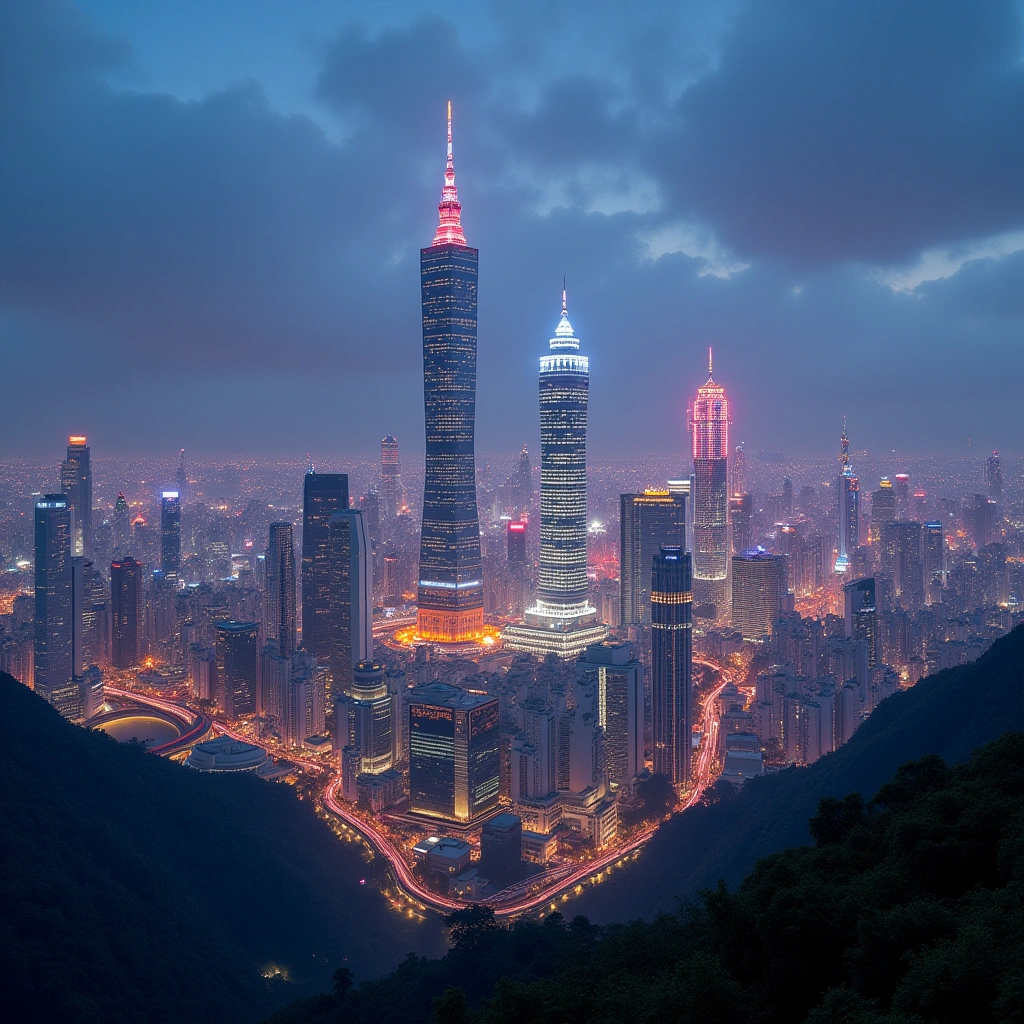
    So, what’s the scoop? Standard Chartered has decided to raise Taiwan’s GDP growth forecast for 2026 to a whopping 9.5%! That’s right, folks—9.5%! You might be wondering if this is a typo or if someone spilled a little too much coffee on the forecast spreadsheet. But no, it’s real, and it’s all thanks to the surge in demand for AI.

    Now, let’s unpack this a bit. AI is like that kid in school who suddenly gets super popular overnight. One minute, it’s just a nerdy concept people talk about at tech conventions, and the next, it’s the go-to tool for businesses looking to outsmart their competition. Think of AI as the Swiss Army knife of the 21st century, ready to tackle everything from customer service to managing your Netflix recommendations.

    Why is this important for Taiwan, you ask? Well, AI is driving exports, boosting semiconductor production, and attracting investment like bees to honey. Taiwan is already a heavyweight in semiconductor manufacturing, and with AI’s growing appetite for chips, the country is poised to become the go-to supplier for tech companies around the globe. Just imagine all those companies racing to get their hands on Taiwan’s silicon treasures—it’s like a tech version of Black Friday!

    But hold on a second—before we all start throwing confetti and booking our 2026 vacations in Taiwan, let’s get real. A 9.5% growth rate sounds fantastic, but it’s not all rainbows and unicorns. Taiwan faces some political and economic hurdles that could rain on this parade. From trade tensions to the ever-looming specter of global economic shifts, the road to that sparkling GDP number might be bumpier than expected.

    And let’s not forget about the looming question of sustainability. Can AI-driven growth be maintained without wreaking havoc on the environment? It’s a bit like asking if you can eat an entire pizza without feeling guilty afterward. Sure, it’s delicious, but your waistline might not agree!

    So, what does this all mean for you, the everyday person? Well, if you’ve got any investments in tech or semiconductors, you might want to keep an eye on Taiwan. It seems like the island is gearing up for a growth spurt that could send ripples through the global market. And if you’re planning to visit, prepare for a tech wonderland that might just blow your socks off!

    In conclusion, Standard Chartered’s optimistic forecast is a reflection of the changing tides in technology and economics. Taiwan’s 2026 growth rate may be ambitious, but if AI continues to rise like a caffeinated phoenix, we could very well see those numbers materialize. So stay tuned, folks! This economic rollercoaster is just getting started, and we’re all in for one wild ride!


    Inspired by: “Standard Chartered raises Taiwan 2026 GDP growth forecast to 9.5%, citing surging artificial intell…” (r/technology)

  • Taiwan’s AI Chip Crackdown: The Great Nvidia Smuggling Saga Unfolds

    Taiwan’s AI Chip Crackdown: The Great Nvidia Smuggling Saga Unfolds

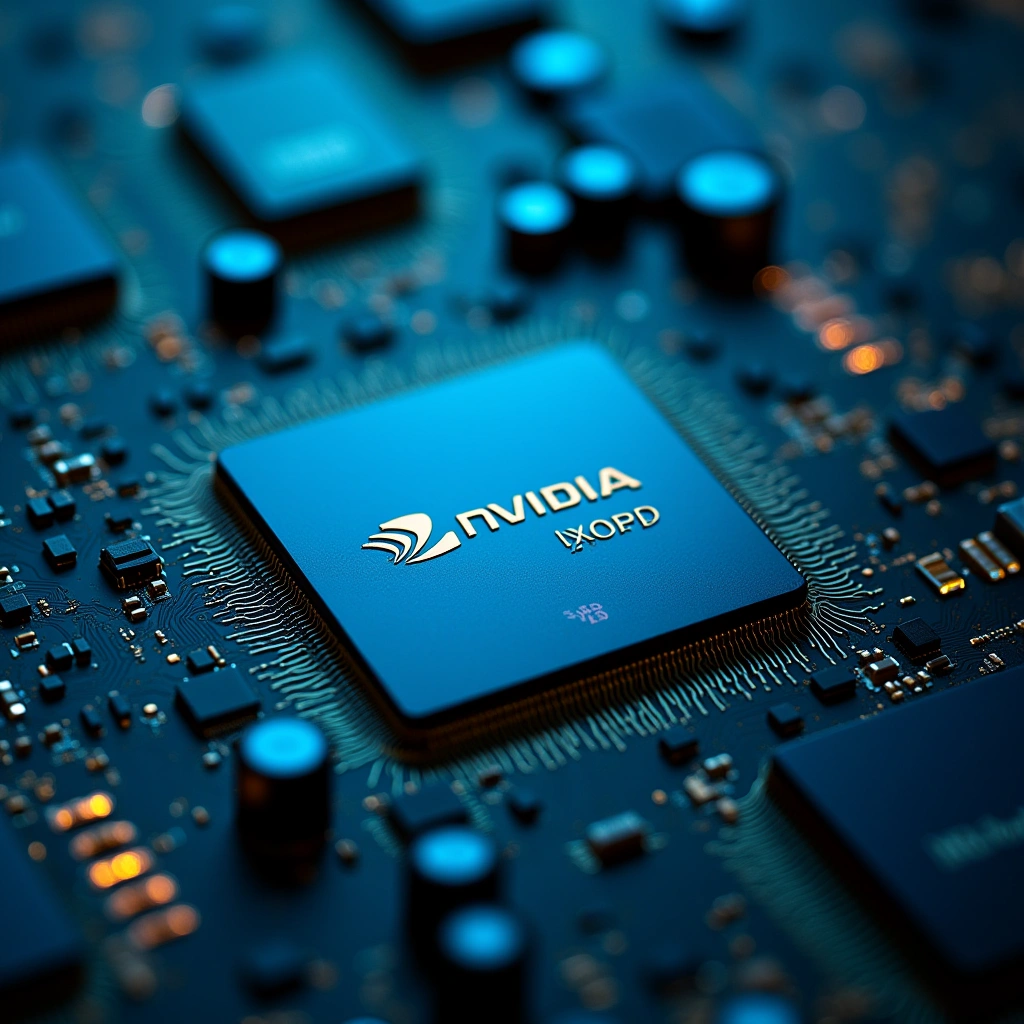
    Hold onto your motherboards, folks! Taiwan has just taken the stage in a high-tech drama that sounds like it was ripped right from the pages of a cyberpunk novel. In a stunning move, authorities raided 12 locations in what can only be described as the first formal crackdown on Nvidia AI chip smuggling. This is not just a game of hide-and-seek; it’s a full-blown operation with the stakes as high as a gamer’s energy drink consumption during a marathon session!

    So, what’s the deal? Taiwan is on the hunt for three fugitives who seem to have taken a page from the playbook of notorious criminals everywhere – document forgery and fraudulent declarations. These three amigos are allegedly linked to a smuggling operation involving Super Micro, a company that’s about as famous in the tech world as a cat video is on the internet. But let’s be real, who thought smuggling AI chips would be a walk in the park? Or maybe just a stroll through the data center?

    The crackdown is significant, not just because it highlights Taiwan’s commitment to combating tech-related crime, but also because it raises some eyebrows regarding the future of AI tech. With Nvidia chips being the backbone of AI advancements, smuggling these babies could be likened to trying to sneak a lion into a petting zoo. Spoiler alert: it won’t end well!

    But what’s with the sudden focus on Nvidia? Well, my friend, it’s all about the chips! In a world where AI is becoming the next best thing since sliced bread (or maybe even better, considering how stale bread can get), these chips are the golden tickets. They power everything from your Netflix binge-watching sessions to the algorithms that decide if your cat photos deserve to go viral.

    Now, you might be wondering, what does this mean for the average tech enthusiast or gamer? For one, it means that the supply chain for these chips is about to get tighter than your jeans after Thanksgiving dinner. Prices might spike, and availability could dwindle faster than a gamer’s patience during a lag spike. So, if you’ve been eyeing that shiny new gaming rig, you might want to snatch it up before prices start climbing like a cat up a tree!

    In conclusion, Taiwan’s raid is a clear signal that they won’t tolerate any shenanigans when it comes to their tech industry. Whether you’re a casual gamer, a hardcore developer, or just someone who likes to watch AI do its thing, keep your eyes peeled. This smuggling saga is bound to have some more twists and turns, and who knows? We might just see a Netflix series about it one day – “Breaking Chips: The Nvidia Chronicles.” Grab your popcorn; it’s going to be a wild ride!


    Inspired by: “Taiwan raids 12 locations in its first formal crackdown on Nvidia AI chip smuggling — hunts three f…” (r/technology)