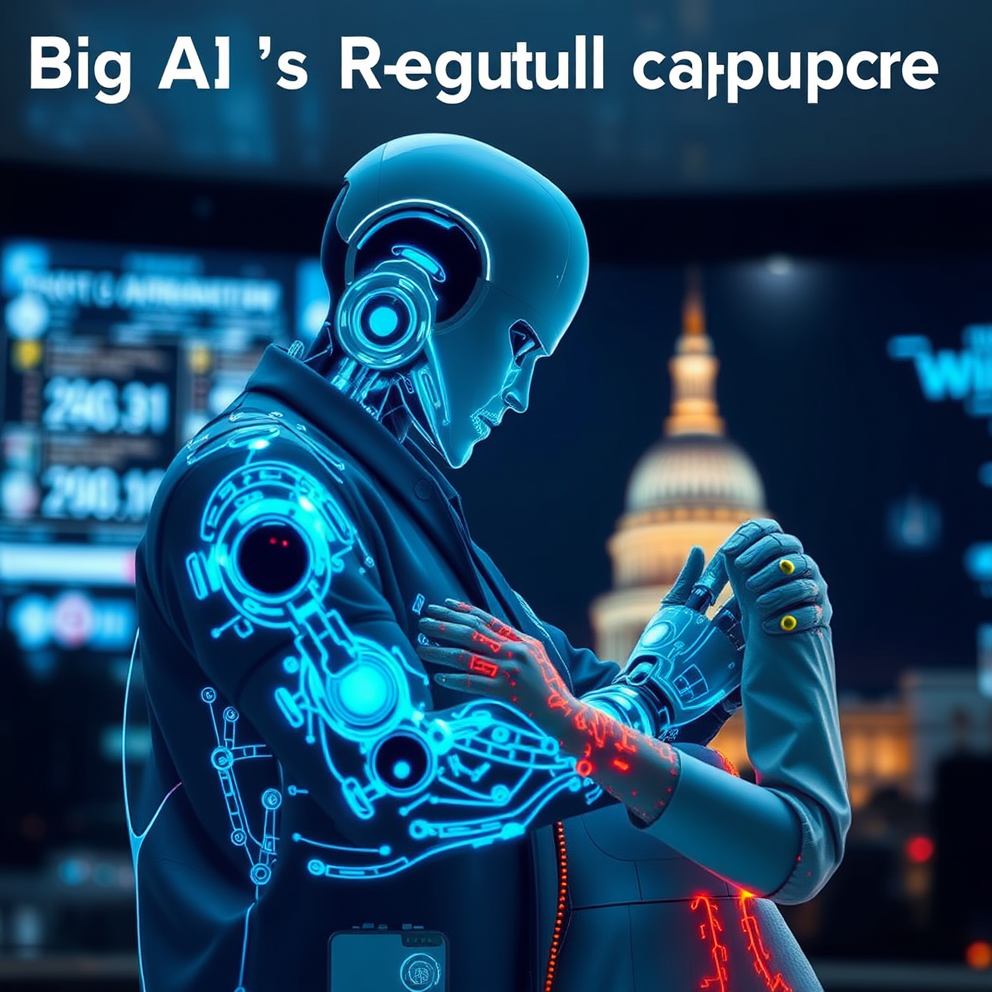
Ah, the age-old dance of regulatory capture! A tale as old as time, or at least as old as the invention of the wheel—or possibly the internet. In the case of Big AI, it seems we’re not just talking about algorithms and neural networks; we’re discussing an intricate waltz between tech giants and government regulators. So, grab your popcorn, folks, because this is going to be a wild ride.
First off, let’s clarify what we mean by ‘regulatory capture.’ Imagine you’re a kid in a candy store, and you have unlimited access to all the sweets you want. Sounds great, right? Now picture the store manager is your best friend who lets you eat whatever you want while ignoring the rules about candy consumption. That’s regulatory capture! In our case, Big AI companies are the kids, and government regulators are the often too-friendly managers.
One might wonder, how did we get here? Well, it didn’t happen overnight. The AI industry exploded like a soda can shaken by an overly enthusiastic teenager, and with that explosion came a wave of lobbying efforts. Big AI companies—think the Googles, Amazons, and Facebooks of the world—have invested millions in lobbying to influence regulations that might restrict their growth. It’s like they’re playing Monopoly, but they’ve managed to get a ‘Get Out of Jail Free’ card for every time they break the rules.
Now, let’s talk about the government—our supposed watchdogs. You’d think they’d be keeping an eye on these tech titans, but spoiler alert: many of them have been caught snoozing at the wheel. Why? Well, let’s just say there’s a cozy little relationship there. Former tech executives are often found slipping into governmental roles faster than you can say ‘conflict of interest.’ It’s like they’re trading baseball cards, but instead, it’s all about regulatory favors.
Consider this: AI has the potential to transform industries, create jobs, and improve lives, but it also poses risks that could make even the most seasoned horror movie fan shudder. From biased algorithms to privacy invasions, the stakes are high. But when the rules are written by those who stand to benefit the most, can we trust that they’ll keep our best interests at heart? Spoiler alert: probably not.
So what’s the solution? Some suggest a more robust regulatory framework where the voices of independent experts and civil society are heard. Imagine a world where AI companies have to sit down with actual experts who don’t have a vested interest in their success. I know, crazy, right? But it’s time to shake things up—like a good cocktail on a Friday night.
In conclusion, the tango of Big AI and government regulators is a captivating spectacle, albeit one that raises eyebrows and concerns. While the industry continues to grow at a breakneck pace, it’s crucial for us, the mere mortals, to stay informed and advocate for regulations that protect our interests. Remember, if we don’t keep an eye on the candy store, we might just find ourselves in a sticky situation. So, what do you think? Is it time to turn up the heat in this regulatory kitchen, or should we let the big players continue their dance unchallenged?