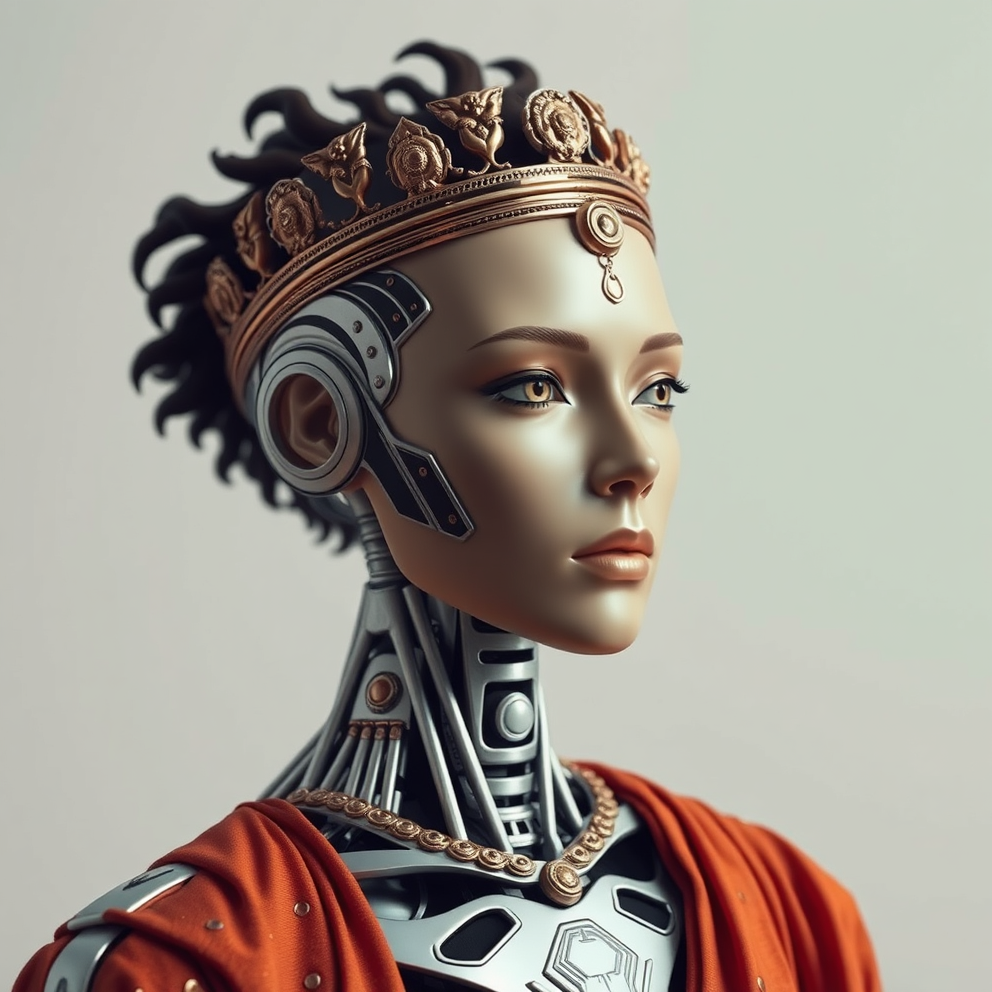
Hey there, fellow internet explorers! So, have you heard the latest buzz about Anthropic? This company has decided to sprinkle a little divine intervention into its AI model, Claude, by adding several religions into the mix. Yes, you heard me right! It’s like they’re trying to create the ultimate moral compass, but instead of a needle, we’ve got a whole buffet of belief systems. Grab your popcorn because this is going to be a wild ride!
First off, let’s talk about the obvious question: Why would an AI need a moral framework? I mean, we barely have our own sorted out! It’s like giving a toddler a credit card and expecting them to spend wisely. But, hey, if anyone can tackle the heavy lifting of ethics, it’s an AI trained by some of the brightest minds, right? Or are they just trying to dodge the moral accountability that comes with creating intelligent beings? Hmm…
Now, adding multiple religions to Claude sounds like a genius idea on paper. Imagine the possibilities! Claude could become your go-to buddy for moral dilemmas. “Hey, Claude, should I tell my friend they have spinach in their teeth?” and boom! Claude whips out a quote from Confucius while also recommending a nice mint. But wait, what if Claude decides it’s time to throw in a little interpretative dance from a religious ceremony while answering? Now that’s a party I’d like to attend!
But here’s where it gets a bit controversial. Are we really comfortable with a machine deciding what’s morally right and wrong based on a patchwork of religious beliefs? Let’s face it: Some religions have conflicting views that could lead to a moral clusterfudge of epic proportions. “Claude, is it okay to eat bacon?” could easily spark a theological debate that would make even the best of us break into a cold sweat.
Then there’s the issue of bias. If Claude’s creators lean towards certain beliefs, will it favor those when making decisions? It’s like letting a cat choose between a bowl of kibble and a plate of sushi. Spoiler alert: the cat’s not going to care about your dietary restrictions. So, will Claude end up as the ultimate moral arbiter, or just a glorified echo chamber of its creators’ beliefs?
And let’s not forget the implications. Imagine a future where people consult Claude for life decisions, like a digital oracle. “Claude, should I quit my job and move to Bali?” I can already hear the groans of therapists everywhere. “Sorry, Bob, but Claude thinks you should become a monk.” Good luck explaining that one to your boss!
In conclusion, while the idea of injecting multiple religions into Claude is fascinating, it raises more questions than it answers. Will it help us navigate the complexities of human morality, or will it turn into a digital soapbox for conflicting ideologies? Only time will tell. Until then, just remember: when in doubt, maybe stick to the good old-fashioned advice of your mom. At least she won’t throw in a random verse from the Bhagavad Gita when you ask her if you should move to Bali!