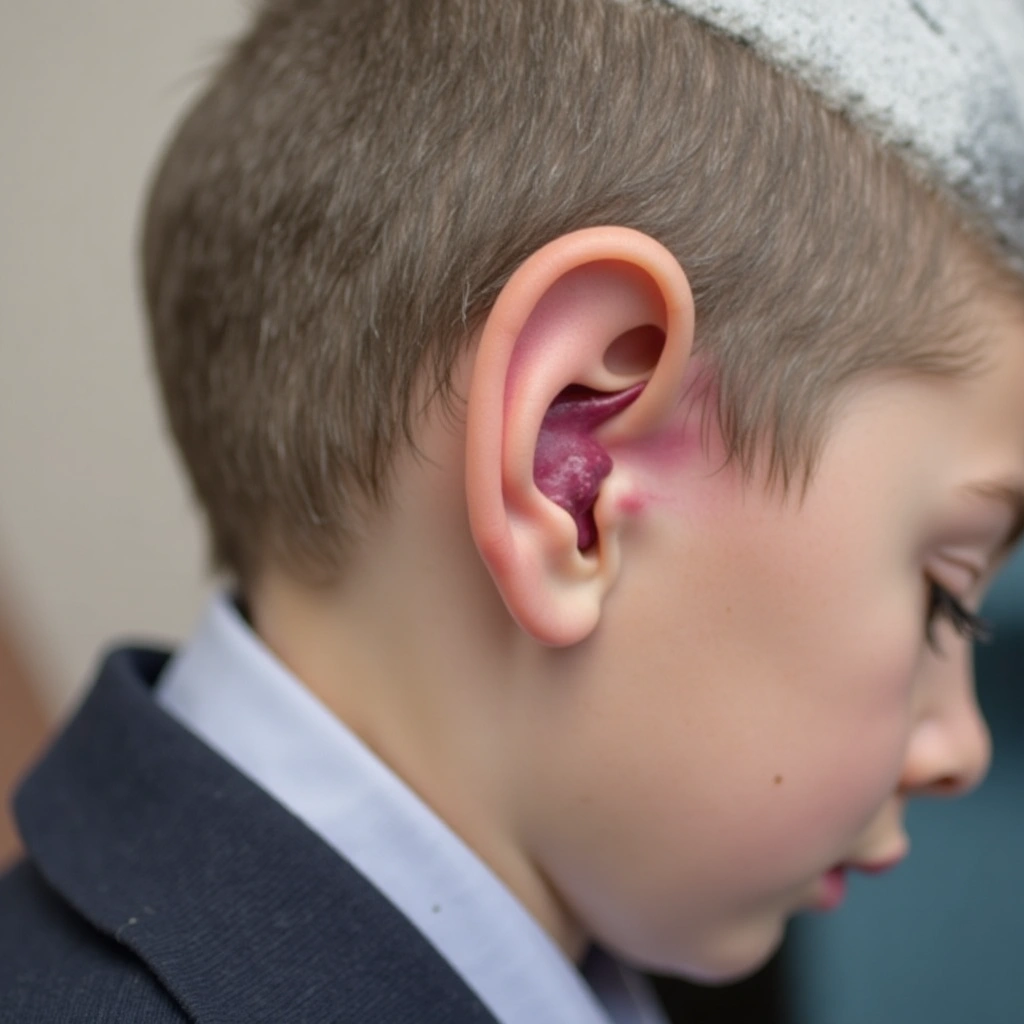
The U.S. has officially lost its measles elimination status 26 years after it achieved the public health victory .
Well, that’s not the kind of headline anyone wants to wake up to. The United States has officially lost its measles elimination status after 26 years, according to the Pan American Health Organization (PAHO). The US now joins Mexico and Bolivia in that unwelcome club.
If you’re wondering why this matters, here’s the short version. The US declared measles eliminated in 2000. That designation meant the virus was no longer spreading continuously within the country. It wasn’t gone forever, since people still traveled and brought it back, but the country had shut down ongoing transmission. That was a genuine achievement, and it came largely from widespread vaccination.
The problem is that recent outbreaks have allowed the virus to keep circulating for over a year. Under the rules public health officials use, that’s the line in the sand. Once a disease keeps spreading in one place for 12 months or more, it no longer counts as eliminated. So the status isn’t lost because of one bad week. It’s lost because the chain of transmission never really broke.
The Guardian’s headline captured the mood pretty well: experts are dismayed, and some are openly heartbroken. Public health researchers tend to be a fairly measured bunch, so when they start using words like that, it’s worth paying attention. For people who spent years working on vaccination programs and outbreak response, this isn’t just a bureaucratic footnote. It’s a sign that something important slipped.
This also comes during what has been described as the worst measles outbreak in the US since 1991. That’s a sobering comparison. Measles was once a routine childhood illness that filled hospitals and sometimes caused serious complications or death. Plenty of people today have never seen a case, which is exactly why it’s easy to feel relaxed about it. Unfortunately, that relaxed feeling is part of the problem. When fewer people are vaccinated, the virus gets more opportunities to spread.
Let’s talk about the vaccine for a second, because it’s the reason measles was pushed back so dramatically in the first place. The MMR vaccine is typically given in two doses, and it is highly effective. Experts generally say that high vaccination coverage across a community is needed to protect people who can’t be vaccinated, including infants too young for the shot and people with certain medical conditions. When coverage drops below that threshold, outbreaks become much more likely. It’s a community effort, which is either a beautiful idea or an annoying one depending on your mood that morning.
Reactions have been coming in from several outlets. RT ran a straightforward report on the 26-year timeline, while Science Based Medicine took a closer look at what the designation means for public health policy. Mississippi Today focused on local concern, asking how residents should think about the news and what it means for their communities. Read together, the coverage paints a clear picture: this is a national setback with real local consequences.
So what happens now? Losing elimination status doesn’t mean measles is suddenly unstoppable. It means the country needs to rebuild the kind of vaccination coverage and outbreak response that got it to elimination in the first place. That involves boosting vaccination rates, making sure healthcare providers and parents have accurate information, and responding quickly when cases appear so they don’t turn into long chains of transmission. None of that is glamorous, but it works.
The bigger takeaway is that public health wins are fragile. Eliminating a disease takes sustained effort, and it can be undone by gaps in coverage and a little complacency. The US spent decades getting measles under control. Losing that status is a reminder that the work never really ends. It’s disappointing, sure, but it’s also a call to action. Measles is one of the most contagious viruses known, and it has no reason to be polite about our mistakes.
Inspired by: “‘I’m heartbroken’: experts dismayed as US loses long-held measles elimination status” (r/News)