UK inflation has risen to its highest level for a year after being pushed up by petrol and diesel costs and tobacco duty changes , according to new figures.
If you’ve felt a bit poorer every time you’ve pulled up at the petrol station lately, you’re not imagining things. UK inflation has risen to 3.6% in October, up from 3.5% in September, marking its highest level in a year. It’s the fourth monthly increase in a row, which is the sort of streak nobody wants to be on, unless you happen to be a fuel company.
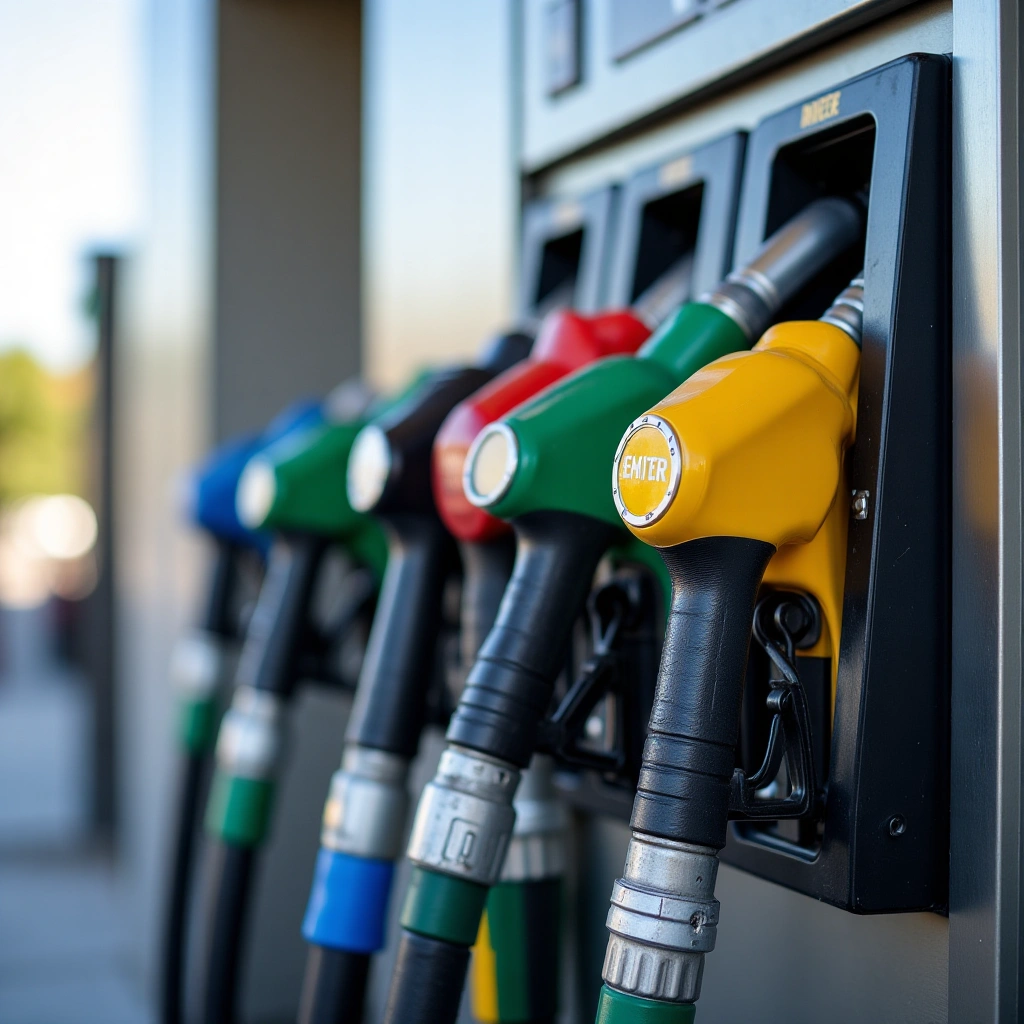
So what actually pushed the figure up? The main culprit was motor fuel. Petrol and diesel prices rose further, and diesel in particular reached record highs. Anyone who drives a van, runs a delivery business, or simply commutes to work will have noticed. Diesel is the fuel that quietly moves almost everything else, from lorries carrying food to buses and trains, so when its price jumps, the effects tend to spread through the economy like a rumour at a office party.
Rising energy bills also played a part. Household gas and electricity costs added to the pressure, meaning people were squeezed at the pump and at home. It’s a double whammy that most households would happily skip.
The result matched what economists had expected. That’s a small mercy for forecasters, who have had a rough few years trying to predict inflation, but it’s less comforting if you’re the one filling up the tank. Predictable bad news is still bad news.
Why does any of this matter beyond your monthly budget? Inflation measures how quickly prices rise across the economy. When it climbs, each pound buys a little less than it did before. Wages may keep up, or they may lag behind, and the gap is where many families start to feel the pinch. The Bank of England generally aims to keep inflation near 2%, so 3.6% is well above that target. That tends to make policymakers cautious about cutting interest rates, which in turn affects mortgage payments, savings rates and business borrowing.
It’s also worth remembering that fuel prices are notoriously volatile. They respond to global oil markets, exchange rates, supply disruptions and tax decisions, among other things. A single month’s rise doesn’t tell you where things will be in six months, but a string of increases does tend to make people nervous, and nervous consumers often cut back on spending, which can slow the wider economy.
So what can you do about it? Not much, if you’re honest. You can shop around for energy deals, check whether your fuel prices vary by supermarket or area, and consider whether journeys can be combined or made by public transport. Beyond that, the big levers sit with energy markets and government policy, and most of us are simply along for the ride.
For now, the headline is simple: inflation is at its highest in a year, fuel is leading the charge, and the cost of living remains stubbornly high. Keep an eye on the next few monthly figures, because whether this is a blip or the start of a longer trend will matter a lot to household budgets across the country. Until then, maybe think twice before topping up the tank to the brim.
Inspired by: “Inflation hits 12-month high after further rise in petrol prices” (r/News)