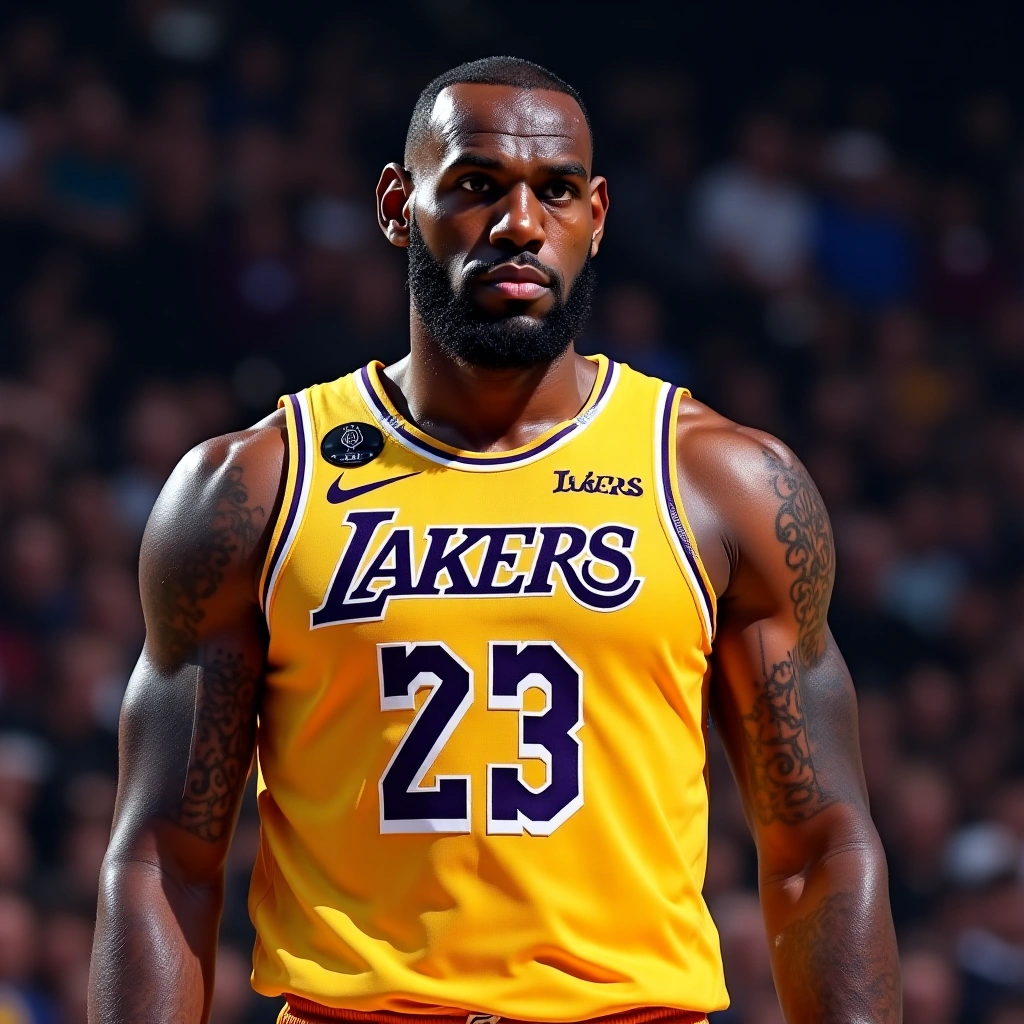
NEW YORK, Nov 17 : Basketball superstar … on Tuesday, accusing it of trademark infringement for using his nickname and an artificial intelligence-generated likeness of him in a recent ad campaign without permission .In a complaint …
If you’ve ever wondered whether a nickname can be worth real money, LeBron James has an answer, and he’s taking it to court. The NBA star has filed a lawsuit against the sports betting app Bron, claiming it used his nickname and an AI-generated likeness of him in recent advertisements without his permission. That’s a lot of ingredients for one legal fight: a famous name, a fast-growing tech tool, and a betting product that wants people to believe a superstar is on board.
The core claim is trademark infringement. In plain terms, James argues that the app is using a name tied to his identity in a way that could confuse people about who is behind it or whether he endorses it. Trademark law exists to prevent exactly that kind of confusion. If a company borrows a recognizable name to sell its product, the person attached to that name has grounds to object, especially when the borrowing looks like a shortcut to credibility.
The AI-generated likeness adds another layer. Advertisers have been experimenting with artificial imagery for a while now, and it’s getting harder to tell what’s real. A digital version of a famous athlete in a commercial can look convincing enough to make viewers assume a real endorsement exists. According to the complaint, that is precisely the problem here. James’s legal team says he has always been careful about how his image is used and which deals he signs, and that his endorsement opportunities are highly valuable. In other words, a fake endorsement is not a harmless bit of marketing. It’s taking something he has spent years building and using it without a deal.
This is also a reminder that a celebrity’s image is a business asset. Athletes like James don’t just play games; they build brands, and those brands are carefully managed. Sponsors pay for association with a particular name and face, and they expect exclusivity and control. If a rival company can simply borrow the same appeal, the value of the real partnerships takes a hit. That’s a big part of why James’s camp is pushing back so firmly.
The story was picked up widely. CNA, The Straits Times, The West Australian, and Business Insider all covered the lawsuit. Business Insider described the company as an AI sports-betting analytics app and framed the case around an alleged bogus endorsement, which captures the heart of the dispute. Coverage like that shows how quickly a legal filing can turn into a broader conversation about technology, gambling marketing, and celebrity rights.
It’s also worth noting that this is a complaint, which means it’s one side’s account of events. The allegations will need to be tested, and the app’s response will matter. Companies in this space often argue that their branding is unrelated to any celebrity, or that their ads were clearly not intended to suggest endorsement. Courts will have to sort through those claims.
Still, the case highlights a pattern that’s hard to ignore. Sports betting is everywhere, marketing is getting more sophisticated, and AI makes it easy to produce lifelike imagery of anyone with a famous face. For athletes, the lesson is that protecting a name and likeness is no longer just about spotting a logo on a jersey knockoff. It’s about policing a digital world where a convincing fake can appear overnight.
So while the headline has a fun ring to it, with a superstar suing an app named after his own nickname, the underlying issue is serious. Your name is valuable, your face is valuable, and if someone uses both without asking, you might end up in court. LeBron James is making that point loudly, and it will be interesting to see how the case unfolds.
Inspired by: “LeBron James sues 'Bron' sports betting app, alleging trademark infringement” (r/News)