While reiterating that Formula … is "passionate about racing". The Spaniard is not heading back into the desert merely to test the waters, but behind the wheel of a machine designed to win ….
Some people approach their mid-forties by taking up gardening, buying a sensible car, or developing strong opinions about lawn care. Fernando Alonso, two-time Formula 1 world champion and apparently a man allergic to slowing down, has decided to drive in the Dakar Rally. Again.
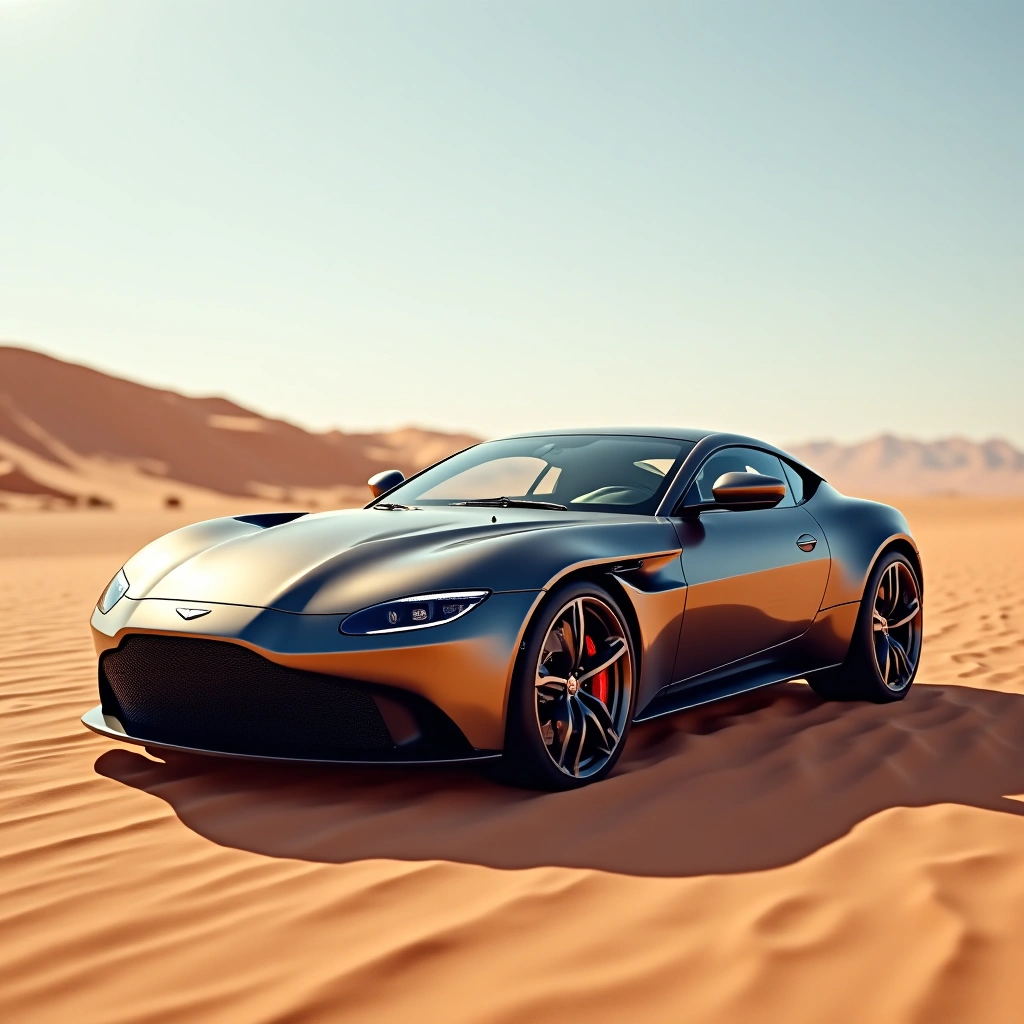
According to reports from BBC News, The Straits Times and ESPN, Alonso will lead Aston Martin’s attempt to win the Dakar Rally in January 2027. The Straits Times also reports that Sebastien Loeb is part of the effort, which means Aston Martin isn’t so much entering the Dakar as assembling a small museum of motorsport legends and pointing it at a lot of sand.
Wait, Hasn’t He Done This Before?
He has. Alonso first tackled the Dakar in 2020 with Toyota, during a stretch of his career when he seemed determined to try every famous motor race on the planet just to see what would happen. He showed up, survived the rocks, dunes and navigation headaches, and finished 13th overall. For a rookie in one of the most punishing events in motorsport, that’s a respectable result. For a man who has won world championships, it presumably felt like unfinished business.
And now, years later, he’s coming back with a manufacturer project built around him. That’s not a tourist visit. That’s a man returning to the scene of his education with a better car, more experience and, one assumes, a much clearer idea of how much sand can get into places sand should never be.
The Alonso Bucket List Continues
If you’ve followed Alonso’s career, none of this should come as a total shock. This is the same driver who stepped away from Formula 1 for a while to chase the idea of being a complete racing driver rather than just an F1 driver. Along the way he won the 24 Hours of Le Mans with Toyota, picked up a World Endurance Championship title, had a go at the Indianapolis 500, and then went to the desert for the Dakar.
Most drivers pick a lane. Alonso picks every lane, plus the off-road bits next to the lane, and occasionally the lane that doesn’t technically exist because it’s just a dune.
He eventually returned to Formula 1 and has been racing with Aston Martin, so this Dakar program keeps things in the family. It’s neat, tidy and on brand. The desert, of course, is none of those things.
Why the Dakar Is Such a Different Beast
For anyone wondering why this is a big deal, here’s the short version: Formula 1 and the Dakar Rally are about as similar as a cello concert and a rugby match. Both involve skill and serious preparation, but the vibe is wildly different.
In F1, you race on a smooth, carefully designed circuit for around an hour and a half, with an army of engineers feeding you data over the radio. At the Dakar, you spend roughly two weeks crossing brutal terrain, often with your co-driver reading road books while you try not to launch the car off a dune that looked completely harmless three seconds earlier. Getting lost is a real possibility. Breaking something important is practically a tradition. Finishing at all is an achievement.
The event has been held in Saudi Arabia in recent years, and it is famous for chewing up even the best drivers in the world. Talent helps enormously, but so do patience, mechanical sympathy, navigation skill and a healthy relationship with chaos.
So when a driver famous for squeezing every last hundredth of a second out of a race car decides to commit to an event where the main goal is often just not destroying the car, that’s a genuinely interesting challenge.
Enter Sebastien Loeb
And then there’s Sebastien Loeb. If Alonso is one of the great all-rounders of modern motorsport, Loeb is rally royalty. He’s a nine-time World Rally Championship winner, a name that makes rally fans go slightly misty-eyed, and someone who has spent years battling at the sharp end of the Dakar.
Here’s the twist, though: despite all that greatness, Loeb has never won the Dakar outright. He’s come close, and he knows the event as well as almost anyone, but the overall victory has stubbornly refused to cooperate. Which tells you everything you need to know about this rally. If a nine-time world champion can keep knocking on the door without it opening, the Dakar is not handing out trophies for reputation.
Putting Alonso and Loeb in the same Aston Martin effort gives the project a serious level of star power and a whole lot of experience. It also creates a fun storyline: two legends from very different racing worlds trying to crack the same famously stubborn event.
What Aston Martin Gets Out of This
From Aston Martin’s perspective, this is a pretty bold statement. Entering the Dakar isn’t something you do casually. It requires a reliable car, a strong support operation and the willingness to watch your expensive machinery get thrown across some of the harshest terrain in motorsport.
But the payoff could be huge. Winning the Dakar carries real prestige, and doing it with Fernando Alonso behind the wheel would be the kind of marketing story that practically writes itself. Even a strong showing would help establish the brand in a completely different corner of the racing world.
And let’s be honest, there’s also the marketing value of glamorous footage showing an Aston Martin flying across sand dunes. That’s not exactly a hard sell.
The Big Question: Can He Actually Win It?
This is where we should be careful not to get carried away. Alonso is phenomenally talented, adaptable and famously competitive. His 2020 debut showed he could handle the demands of the Dakar, and the experience he gained there will matter. He also clearly isn’t doing this just to collect another passport stamp.
But winning the Dakar is a different matter entirely. The rally punishes mistakes ruthlessly, the competition is fierce, and luck plays a bigger role than any driver would like. A single navigation error, puncture or mechanical problem can undo days of excellent driving.
So the honest answer is: maybe. With a strong car, a well-prepared team and Loeb’s experience in the mix, Aston Martin’s effort could be a genuine contender. But nobody, not even Fernando Alonso, gets to assume anything in the desert.
Final Thoughts
Fernando Alonso returning to the Dakar Rally with Aston Martin is one of those stories that makes motorsport fun. It’s ambitious, slightly ridiculous in the best way, and perfectly in character for a driver who never seems satisfied with doing just one thing.
January 2027 is still a while away, which gives everyone plenty of time to prepare, test, speculate and argue online about whether this is a stroke of genius or a very expensive way to get sand in your helmet. Either way, it’ll be worth watching.
Because if there’s one thing we’ve learned about Alonso over the years, it’s that telling him something is difficult only makes him more interested.
Inspired by: “Alonso to drive in Dakar Rally for Aston Martin” (r/World)