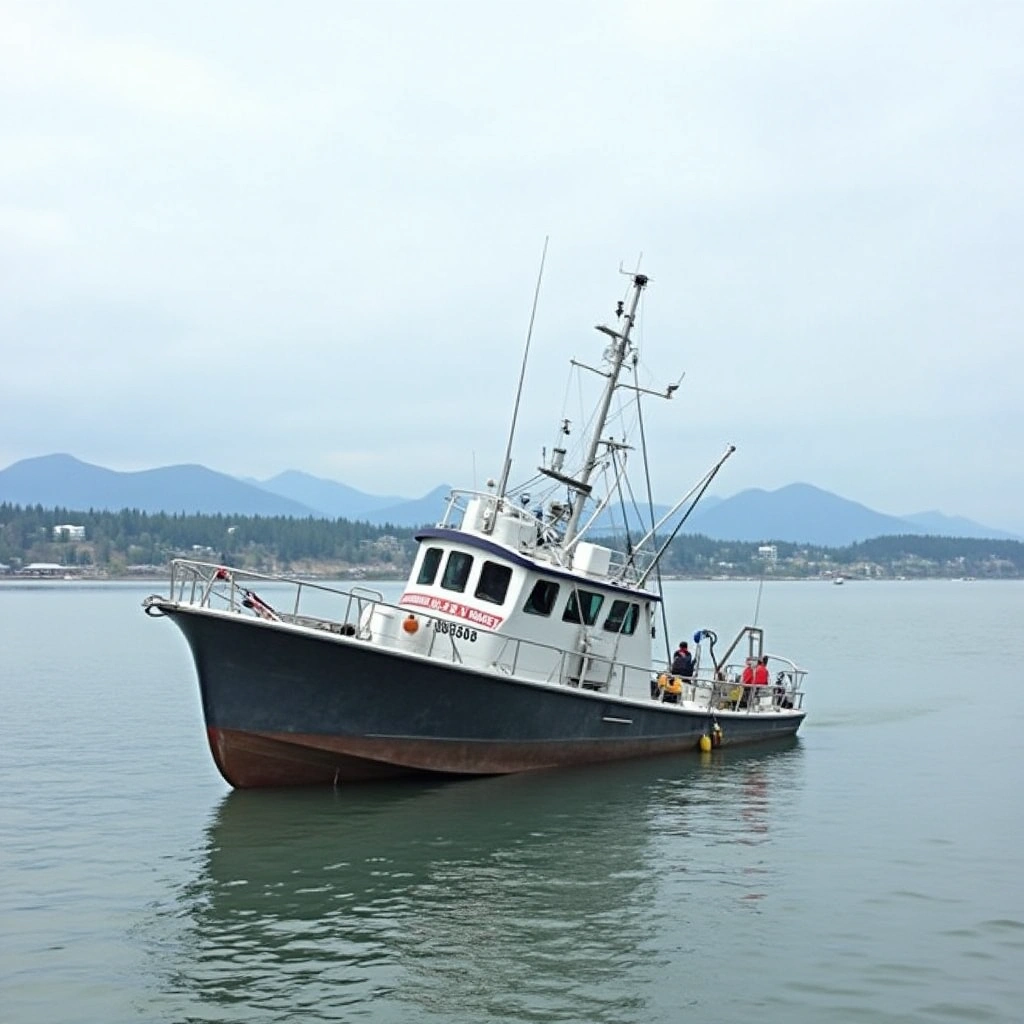
One person still missing after fishing boat capsized near Yale, B.C., search and rescue says | CBC News Loaded … One person is still unaccounted for after a fishing boat reportedly capsized on the Fraser River in Yale, B.C., Friday afternoon.
Some stories call for a lighter touch. This isn’t really one of them, so I’ll keep the jokes on the shelf where they belong and save any sarcasm for the river itself, which has earned it.
Here’s what we know. One person is still unaccounted for after a fishing boat reportedly capsized on the Fraser River in Yale, B.C., on Friday afternoon. Hope Volunteer Search and Rescue said in a Facebook post that the response quickly turned into a search after crews were told another person was in the water.
The story was reported by CBC, Castanet and CTV News, and all three say the same thing: a boat went over, a response started, and at least one person has not been found.
What Has Been Reported So Far
The confirmed details are few, and I’m not going to fill the gaps with guesses. Breaking news is messy enough without bloggers inventing facts.
Here’s what the sources say:
– A fishing boat reportedly capsized on the Fraser River in Yale, B.C.
– It happened Friday afternoon.
– Hope Volunteer Search and Rescue responded.
– After crews learned another person was in the water, the operation became a search.
– One person remains unaccounted for.
The initial reports don’t say how many people were on board, what caused the capsizing, or what conditions were like. Those details may come out later from search and rescue, police or other officials. For now, the plain facts are serious enough.
A Quick Word About the Fraser River
If you’re not from British Columbia, the Fraser can sound like just another big river on a map. It’s more than that. It’s the longest river in B.C., and through the Fraser Canyon around Yale and Hope it is powerful, fast and unforgiving.
It’s also cold and full of silt, which makes it murky. That combination makes it hard to see what’s under the surface and hard to find anyone who goes in. Strong currents, eddies, debris and changing water levels mean conditions can shift quickly.
The Fraser is also one of the most important fishing rivers in the province, so people head out on it for good reasons. But it’s not a calm backyard pond, and it doesn’t care how many times you’ve fished it before. Experienced boaters treat it with respect because it has a long record of punishing people who don’t. That isn’t a comment on anyone involved here. It’s simply the kind of water we’re talking about.
Why the Shift From Rescue to Search Matters
Search and rescue said the operation “quickly turned into a search” once crews learned someone else was in the water. That wording usually means the situation changed from helping people who could be located to looking for someone whose location wasn’t known.
On a river like the Fraser, that’s a major change. Searching a fast, silty, cold river means covering long stretches of water and shoreline, accounting for the current, and working against fading light, weather and the risk to the searchers themselves. It’s slow, careful and exhausting work.
The Volunteers Doing the Hard Part
It’s worth pointing out the word “volunteer” in Hope Volunteer Search and Rescue. Search and rescue groups across B.C. are largely made up of trained volunteers who leave their jobs, families and Friday afternoons when the call comes in.
They train for swift water, mountains, bad weather and every other situation the province can produce, which is quite a range. When something goes wrong on the Fraser, these are the people heading toward the water while everyone else is told to stay back.
So if your first reaction to this story was to drop a strong opinion in a comment section, maybe skip that and remember there are people working a hard, emotional search, plus a family waiting for news. Keyboard experts can take the day off.
Water Safety Reminders
There’s a fine line between offering helpful information and lecturing people after a tragedy, and I want to stay on the right side of it. Nobody needs a smug “should have” here. Still, an incident like this is a fair moment to review some basics that apply to anyone heading onto B.C. rivers and lakes.
Wear the life jacket, not just pack it. A life jacket stuffed under a seat helps about as much as a seatbelt sitting in the glovebox. Cold, fast water leaves very little time to grab anything.
Respect cold water. B.C. waters can be cold even when the air is warm. Sudden immersion can cause cold shock, which makes it hard to breathe and swim, even for strong swimmers.
Know the river and check conditions. Water levels, currents and debris can change. Local knowledge and up-to-date information matter.
Tell someone your plan. Let someone on shore know where you’re going and when you expect to be back. It sounds basic because it is, and it works.
Carry a way to call for help. Cell coverage in canyons can be unreliable, so think about other options if you spend a lot of time on remote water.
Don’t overload the boat. Weight, balance and gear all affect stability, especially in moving water.
None of this guarantees safety on a river as strong as the Fraser. But each step can improve the odds.
What Happens Next
Updates will likely come from Hope Volunteer Search and Rescue, police or other authorities as the search continues. The best sources are the official ones and established news outlets, not the friend of a cousin who heard something at the gas station.
If you live in the area and have information that could help, contact the authorities directly. Please don’t head out to the river to search on your own. Untrained people entering dangerous water can turn one emergency into several, and responders then have more people to worry about.
The Bottom Line
A fishing boat capsized on the Fraser River near Yale on Friday afternoon, and one person is still missing. Volunteer searchers are doing difficult work in hard conditions, and somewhere a family is waiting for answers.
No clever wrap-up or punchline fits a story like this. Our thoughts are with the missing person, their loved ones and everyone involved in the search. If you’re heading onto the water soon, wear the life jacket, check the conditions and tell someone where you’re going.
Inspired by: “One person still missing after fishing boat capsized near Yale, B.C., search and rescue says” (r/News)