PT Usha has not withdrawn from the Indian Olympic Association presidential race following her SOM election defeat . She has been nominated by the Ice Hockey Association of India for the upcoming Executive Council elections.
If you had “legendary sprinter re-enters Indian Olympic Association elections through the Ice Hockey Association of India” on your sports administration bingo card, congratulations. Everyone else, welcome to Indian sports politics, where the paperwork can be as dramatic as the competition.
Here’s what happened. PT Usha’s bid for re-election as president of the Indian Olympic Association (IOA) got a significant boost when Electoral Officer Sanjay K Srivastava rejected all objections to her nomination, which came through the Ice Hockey Association of India. She now appears in the 71-member final electoral college, which means she is eligible to contest the IOA elections scheduled for December 5.
The story has been reported by the World Times of India and the Hindustan Times. Let’s walk through why this matters and why it took a winter sport to keep a track icon in the race.
First, a Quick Refresher on PT Usha
For anyone who skipped every Indian sports conversation of the last few decades, PT Usha is one of the most celebrated athletes the country has produced. Known as the “Payyoli Express,” she became a household name on the track and has since moved into sports administration. She currently serves as IOA president and was the first woman to hold the post.
So she is a big name. But in elections like these, a big name doesn’t put you on the ballot. Eligibility does, and eligibility comes down to the rules.
The Plan A That Didn’t Pan Out
According to the reports, Usha missed out on an elected Sportsperson of Outstanding Merit (SOM) position. SOMs are accomplished athletes who get a voice in the IOA’s electoral process. You might think a sprinter of Usha’s standing would be the textbook example of “outstanding merit.” The election, however, did not go her way.
That result could have shut her out of the presidential contest. Without a valid route into the electoral college, there’s no candidacy, however famous you are. This is the administrative version of being disqualified for a false start.
Enter Plan B: The National Sports Federation Route
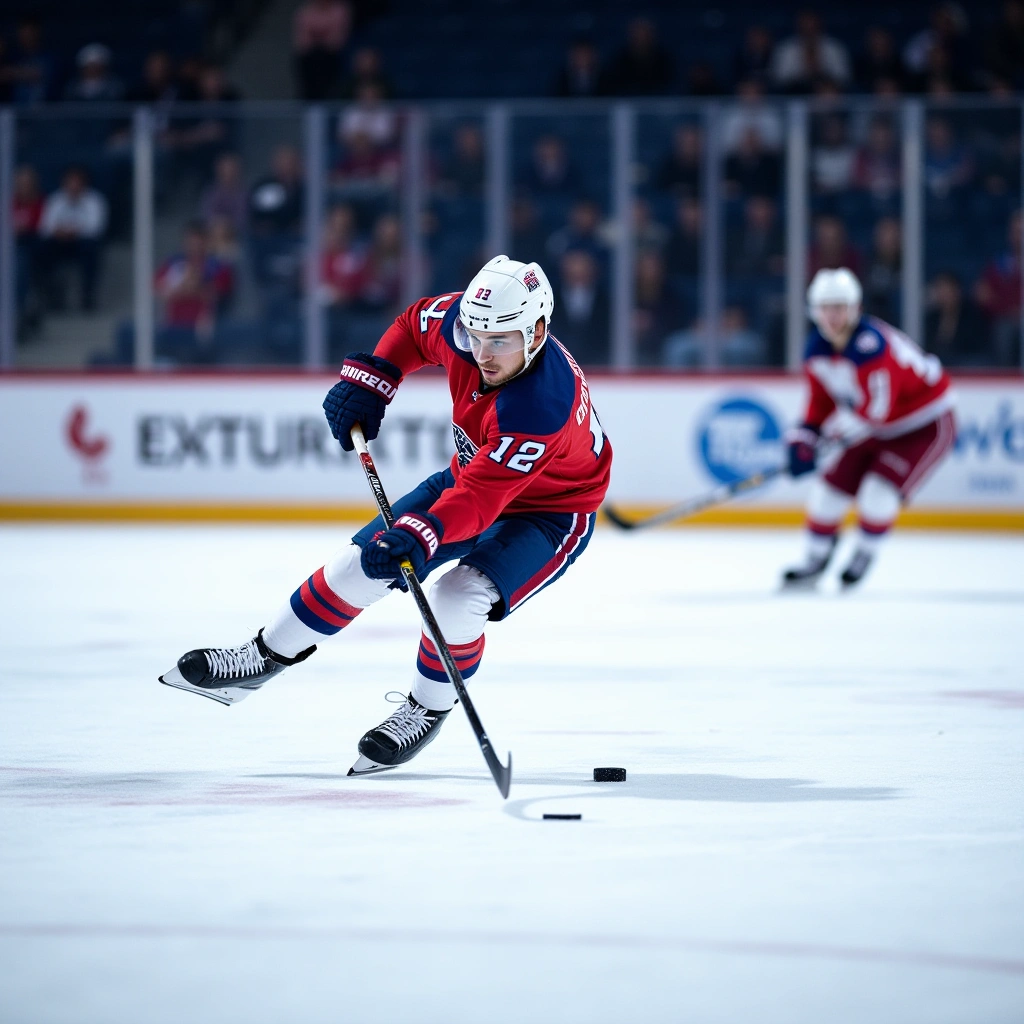
The other way into the electoral college is through a National Sports Federation (NSF), the bodies that govern individual sports in the country. Usha’s nomination came through the Ice Hockey Association of India.
Yes, the irony is noticeable. Someone who built a career sprinting on hot tracks is now relying on a federation for a sport played on ice. The sports world loves a crossover story, though perhaps not one involving nomination forms. Still, the system allows federations to nominate representatives, and that’s the door that stayed open for her.
It wasn’t a smooth entry. Objections were raised against her nomination through the ice hockey body. The reports don’t suggest those objections were trivial enough to ignore, since they had to be formally considered. In the end, Electoral Officer Sanjay K Srivastava rejected all of them. That cleared what both outlets describe as the NSF eligibility hurdle.
Why the 71-Member Electoral College Matters
The final electoral college has 71 members. These are the people who make up the voting and contesting pool for the IOA elections. Getting onto that list is the qualifying round. Without it, you’re watching from the stands.
With her name confirmed among the 71, Usha is officially back in the fray, as the Hindustan Times put it. She can contest the December 5 election, and her re-election campaign continues.
Of course, being eligible isn’t the same as winning. It just means she gets to race. Since the electoral college is now finalized, the focus will move from “who is allowed to run” to “who will actually win,” which is the part most people find more interesting.
The Bigger Picture: Sports Governance Is Its Own Sport
This episode shows something sports fans sometimes forget: running a country’s Olympic movement involves a lot of procedure. Nominations, objections, electoral officers and eligibility categories are not exciting to read about, but they decide who leads the bodies that shape athletes’ careers.
There’s also something a little reassuring here. Objections were raised, an electoral officer reviewed them, and a decision was made through the formal process. You can have opinions about the result, but a defined procedure beats arguments being settled by whoever shouts loudest at a press conference. Mostly.
And there’s a small lesson for anyone in a competitive field: always have a backup plan. Usha’s SOM route closed, and the NSF route stayed open. Whatever happens in December, her campaign survived because she wasn’t depending on a single path.
What Happens Next
The IOA elections are set for December 5. Between now and then, expect attention to move to the contest itself and to how the 71 members of the electoral college line up. For Usha, the immediate threat to her candidacy is over. She cleared the hurdle, and she has done that a few times before.
Whether she wins a second term is still open. For now, the Payyoli Express is still on the track, with a little help from the ice rink.
Sources: World Times of India, “PT Usha clears NSF eligibility hurdle; 71 members set for IOA Elections”; Hindustan Times, “PT Usha back in the fray in IOA elections.”
Inspired by: “PT Usha clears NSF eligibility hurdle; 71 members set for IOA Elections” (r/World)