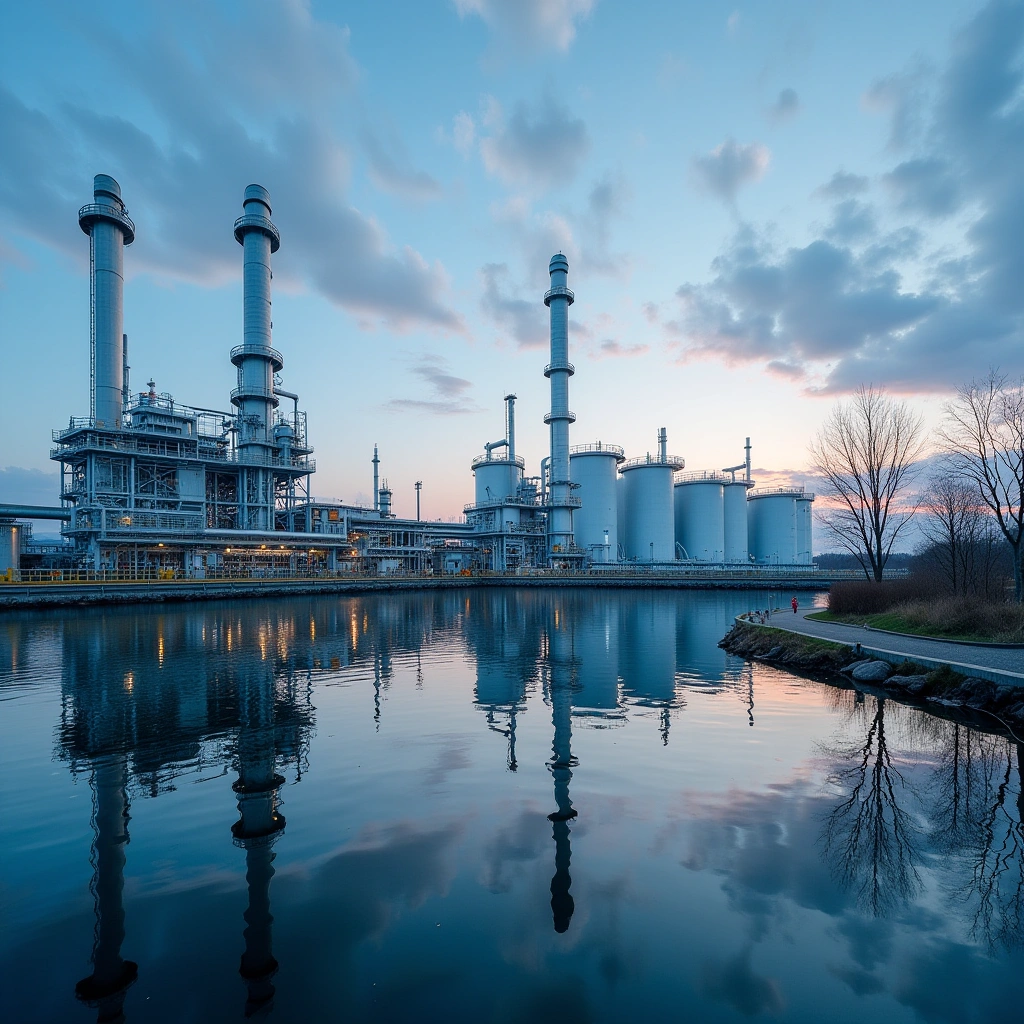
FlagshipONE is the first e-methanol project in Ørsted’s ambitious green fuel pipeline; the company is also developing the 300,000 tonnes/year ‘Project Star’ in the US Gulf Coast area and the ‘Green Fuels for Denmark’ project in Copenhagen, which will also produce significant volumes of e-methanol to enable the decarbonisation of shipping. FlagshipONE is located on the grounds of the biomass-fired combined heat and power plant Hörneborgsverket in Örnsköldsvik, operated by Övik Energi.
So, here’s a little nugget of news that’s making waves in the climate change community: Sweden is gearing up to launch a projected e-methanol plant that will churn out a whopping 115,000 tonnes of the stuff each year. Now, before you start picturing a factory that smells like a candy shop, let’s break down what e-methanol is and why it’s a big deal.
First off, e-methanol isn’t your average run-of-the-mill methanol. It’s a renewable version made using captured biogenic CO2 and renewable hydrogen. In simpler terms, it’s like taking the emissions from one source, giving them a spa day, and turning them into something useful. Imagine if your old gym socks could be transformed into energy—yeah, it’s kind of like that, but less smelly.
Now, why should we care about e-methanol? Well, it’s set to play a significant role in decarbonizing some pretty critical sectors, namely shipping and chemicals. The shipping industry, which is notorious for its carbon footprint—think of it as the heavyweight champion of emissions—is in dire need of a makeover. E-methanol could help it trade in its dirty habits for a cleaner, greener lifestyle. It’s like getting your ship on a sustainable diet.
But wait, there’s more! This plant isn’t just about producing e-methanol; it’s also about harnessing renewable hydrogen. If you’re wondering what renewable hydrogen is, think of it as the cool kid on the energy block. It’s produced using renewable energy sources, like wind or solar, which means it’s not just hanging around waiting to pollute the planet like some of its fossil fuel friends.
Now, let’s talk numbers. 115,000 tonnes of e-methanol a year might sound like a lot (and it is), but in the grand scheme of things, it’s just the tip of the iceberg. The entire world is still heavily reliant on fossil fuels, and while Sweden is taking steps in the right direction, we need more countries to jump on the bandwagon. It’s like trying to host a dinner party where only one guest brings a dish—nobody wants to eat just the salad.
So, what’s the takeaway here? The projected e-methanol plant in Sweden is a step towards a greener future, and it’s exciting to see innovation in action. It’s a reminder that with a bit of creativity and some scientific know-how, we can tackle climate change one e-methanol molecule at a time. But let’s not stop here; we need to keep pushing for more sustainable solutions across all sectors. After all, we can’t let Sweden have all the fun, right?
In conclusion, keep your eyes peeled for updates on this plant. Who knows, maybe one day we’ll look back and realize this was the moment the tide turned in our battle against climate change. Or, at the very least, we’ll have some interesting conversations about the time Sweden decided to give methanol a makeover. Cheers to that!
Inspired by: “Projected e-methanol plant in Sweden will supply 115,000 tonnes per year using captured biogenic CO…” (r/climatechange)