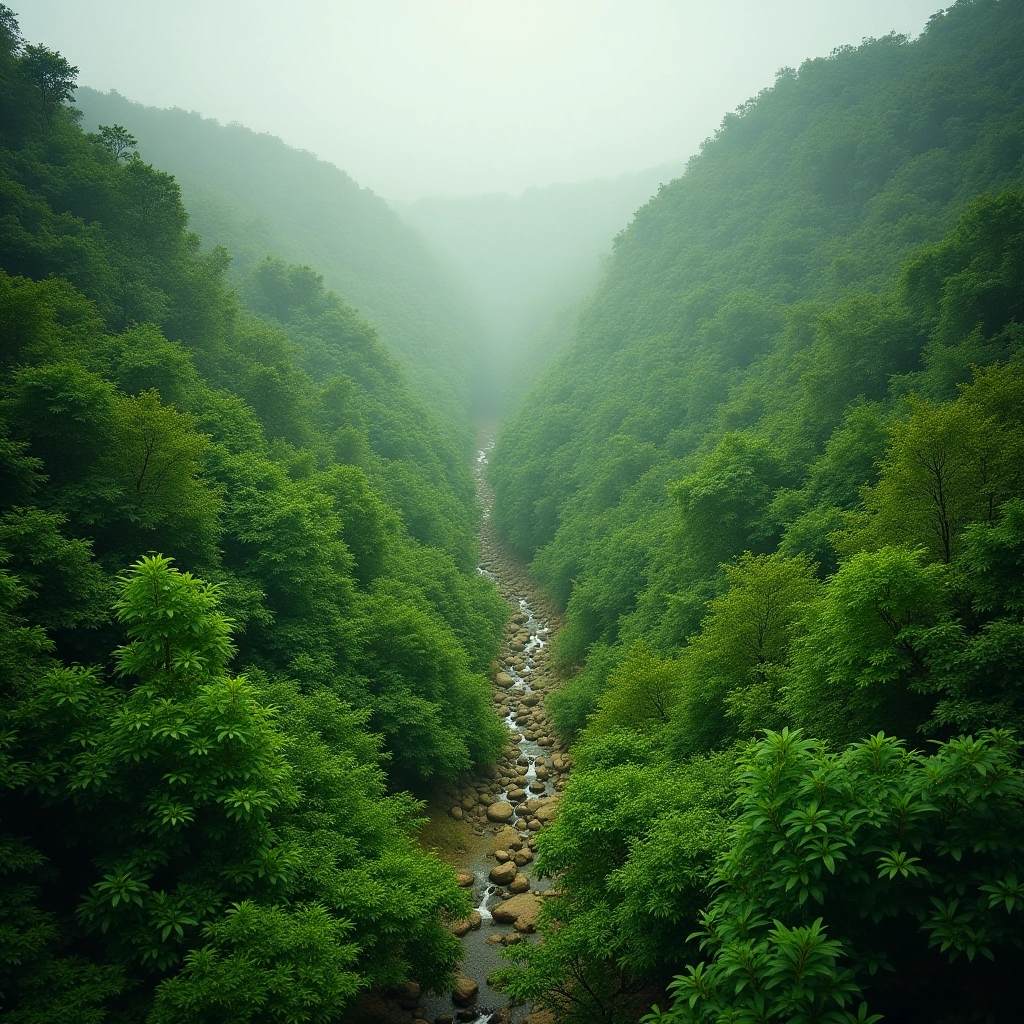
Now, new research shows that letting forests regrow on their own could be a secret weapon to fighting climate change . Experts at the World Resources Institute (WRI), The Nature Conservancy and other institutions mapped potential rates of carbon …
If you’ve ever strolled through a forest and thought, “Wow, nature really knows how to throw a party,” you’re not alone. But it turns out, nature can throw a pretty epic comeback party too—specifically when it comes to forest regrowth. Recent discussions, especially on platforms like Reddit, have highlighted how natural forest regrowth offers a lower-cost path to achieving our climate and biodiversity goals. So, grab your hiking boots and let’s dive into this green phenomenon!
First off, what exactly is natural forest regrowth? It’s pretty much what it sounds like: forests that have been cleared or damaged can regenerate on their own, given enough time and the right conditions. Think of it as nature’s version of a DIY home renovation—no contractors needed! Just a little patience and the right resources, and voilà, you have a thriving forest again.
Now, let’s talk dollars and cents. Climate change mitigation strategies can get pricey, and not everyone has a spare mortgage lying around to fund them. But natural regrowth is like that friend who always offers to split the bill—much kinder on the wallet. According to studies, promoting natural regrowth can be significantly cheaper than more high-tech solutions like artificial reforestation or carbon capture technology. Who knew trees could be such budget-friendly allies?
But wait, there’s more! Not only is this approach cost-effective, but it also has the potential to boost biodiversity. Forests are like nature’s version of a bustling city—home to countless species of plants, animals, and even fungi (yes, fungi are pretty cool too!). When forests regrow naturally, they create habitats for wildlife, helping to restore balance to ecosystems that have been disrupted. It’s basically a win-win situation: we save money while giving critters a place to call home. Talk about a feel-good story!
Of course, it’s not all sunshine and rainbows. Natural forest regrowth does have its challenges. For instance, it requires careful management to ensure that invasive species don’t crash the party and ruin everything. Plus, it’s not a quick fix. We’re talking about years, if not decades, before a forest can fully bounce back. So, if you’re expecting instant gratification, you might want to look elsewhere—like your favorite fast food joint.
However, with the right policies and support, we can make natural regrowth a priority. Governments and organizations can incentivize landowners to allow forests to regenerate naturally. Imagine a world where folks are rewarded for letting nature do its thing instead of clearing it away. Sounds great, right?
In conclusion, while we might be tempted to throw money at flashy technology and immediate solutions, let’s not forget about the simple elegance of letting nature take the reins. Natural forest regrowth is a graciously affordable and ecologically beneficial approach to tackling climate change and biodiversity loss. So, the next time you find yourself wandering through the woods, take a moment to appreciate the quiet power of those trees. They might just be the unsung heroes in our fight for a healthier planet.
And remember, if you’re ever in doubt about how to help the environment, just channel your inner tree-hugger. Because, let’s be honest, who doesn’t love a good hug from nature?
Inspired by: “Natural forest regrowth offers a lower-cost path to climate and biodiversity goals” (r/climatechange)