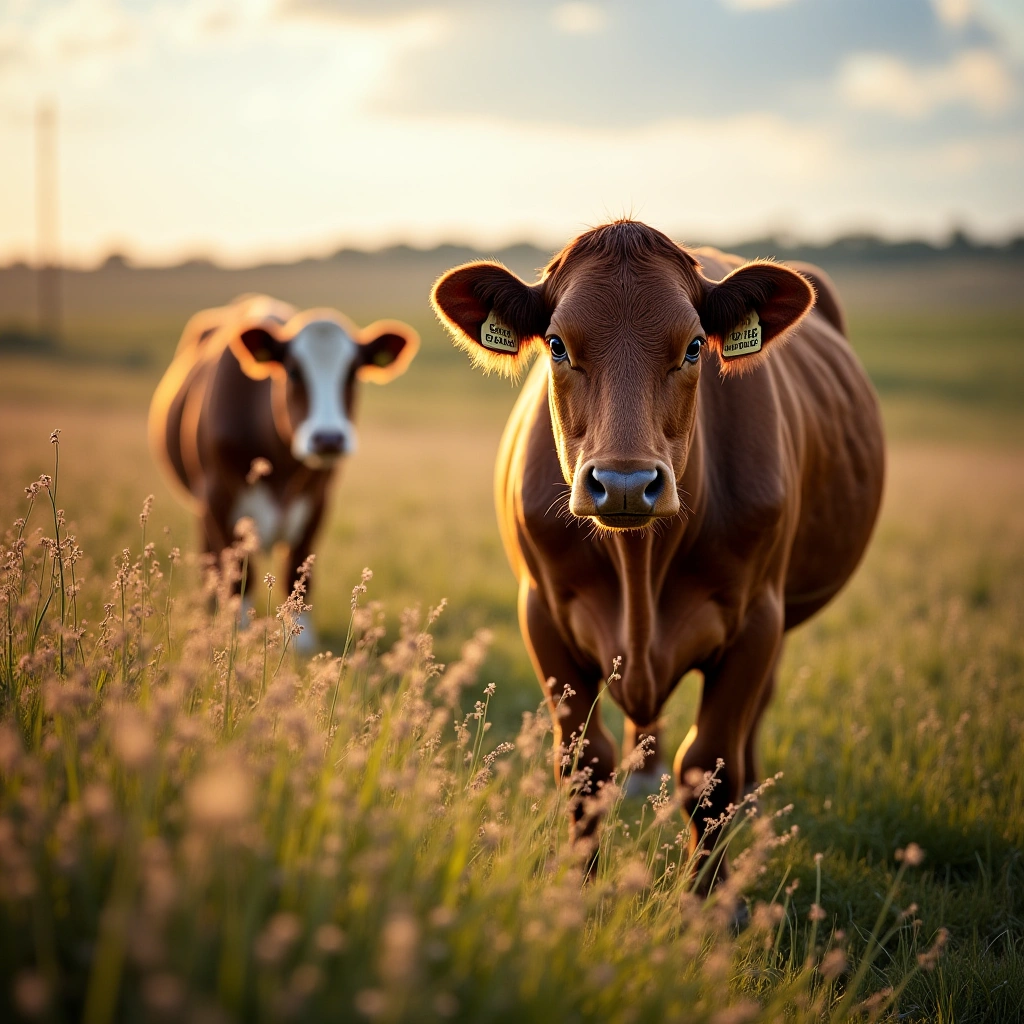
If we used this cropland for human food instead of animal feed, we could grow enough to nourish almost 4 billion people. Pound-for-pound beef might be the most climate-polluting substance people regularly use .
Let’s talk about beef. No, not your neighbor’s BBQ party—though that’s a worthy topic too—but rather the big, juicy problem that’s turning our climate into a sizzling hot mess. According to some recent findings, beef production is the heavyweight champion of climate change culprits, accounting for a whopping 41% of the total greenhouse gas emissions associated with agriculture. That’s right, folks. When you think of the climate crisis, picture a cow. A big, mooing, land-hogging cow.
Now, before you start tossing your steak dinner out the window in a fit of guilt, let’s break this down a bit. Cattle need a lot of land to graze. So, when the global appetite for beef keeps growing (thanks, Instagram food pics), we’re not just talking about a few extra cows in the pasture. We’re talking about the destruction of more than two UK-sized areas of forest this century alone! That’s a lot of trees, my friends. And you know what trees do? They breathe in carbon dioxide and breathe out oxygen. So, when we chop them down for more beef, it’s like we’re saying, “Thanks for the air, but we’ll take the burgers instead!”
Now, don’t panic just yet. There’s still hope on the horizon, and it’s looking a bit less meaty. Enter the world of cultivated meat. This isn’t just some sci-fi fantasy where we’re growing burgers in a lab (though that does sound pretty cool). An international collaboration has achieved a milestone in cruelty-free, ultra-sustainable cellular agriculture. Yes, you heard that right. They’re growing duck meat in a bioreactor the size of a small swimming pool. I mean, who knew ducks could have such a big impact on the climate?
Meet Parima, a cultivated meat startup from France, and Vow, an Australian company that’s making waves (or should I say quacks?) in the meat production world. They’ve managed to produce a record-breaking tonne-scale volume of duck meat cells in a 22,000-liter bioreactor. And get this—they did it without any genetic engineering. It’s just ordinary duck cells, grown in a nutrient medium that’s similar to how beer is brewed. So, next time you enjoy a cold one, just remember that some ducks might be getting a similar treatment.
The best part? This new economy of scale means that producing this clean duck meat costs 99% less per gram than their previous production runs. Yes, you read that right. It’s cheaper, cleaner, and more sustainable. It’s like finding out that your favorite restaurant is serving up gourmet meals at fast-food prices. Who wouldn’t be on board with that?
We’re at a crossroads, folks. We can either continue down the beefy path of environmental destruction or embrace innovative solutions that can lead us to a more sustainable future. So, the next time you’re at the grocery store, maybe think twice before tossing that steak into your cart. Who knows? You might just save the planet one duck at a time.
In conclusion, while beef may currently reign supreme as the climate villain, the rise of cultivated meat offers a glimmer of hope. Let’s keep our eyes peeled for more developments in this field and maybe, just maybe, we can turn the tide on climate change—one delicious, guilt-free bite at a time.
Inspired by: “What is happening and what could happen to avoid it – beef, land use, and climate change” (r/climatechange)