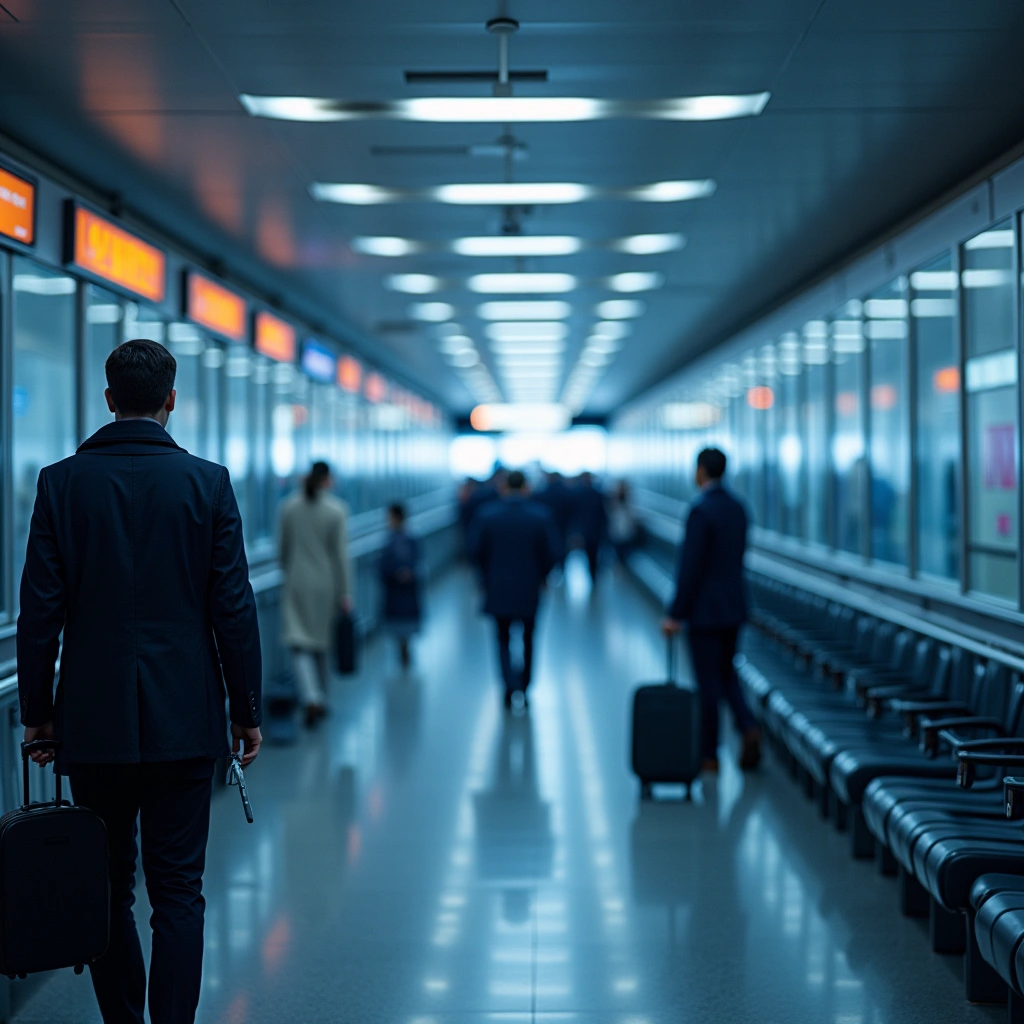
Ah, the age-old debate: security or surveillance? It seems the SEC (Securities and Exchange Commission) has tossed a billion-dollar coin into this conversation by purchasing over a billion passenger records from airlines. Yes, you read that right—a billion. That’s more zeros than I have in my bank account, and trust me, that’s not a small feat.
The SEC bought access to worldwide airline ticketing records. Airlines including Delta, United, and American sold the data.
Now, before you start imagining a dystopian world where every sneeze and cough on a flight is meticulously tracked, let’s break this down a bit. The SEC’s primary role is to protect investors, maintain fair markets, and facilitate capital formation. But why on earth do they need a treasure trove of passenger records? Well, it’s all about keeping an eye on the financial shenanigans that can happen when individuals are traveling.
Picture this: someone buys a ticket to a tropical paradise—let’s say Cancun—then suddenly, their stocks in a company that sells sunscreen skyrocket. Coincidence? Or insider trading? The SEC is on a mission to find out. With access to these passenger records, they can track patterns that might suggest something fishy is going on. It’s like a financial detective story, only with less trench coats and more spreadsheets.
But, of course, this raises some eyebrows. Are we okay with the idea of our travel records being used to monitor financial activity? On one hand, it’s nice to think the SEC is taking proactive steps to prevent fraud. On the other hand, it feels a bit like Big Brother is watching, doesn’t it?
Let’s face it: it’s not just the SEC that has an interest in our travel habits. Airlines, hotels, and even our beloved social media platforms are already collecting data on us like it’s going out of style. So, is this just another notch in the belt of surveillance? Or is it a necessary evil in the fight against financial crime?
And let’s not forget the irony here. We’re all about privacy until it’s time to expose a potential Ponzi scheme, right? It’s like saying, “I value my privacy, but only until it involves someone else’s shady dealings.”
There’s also the question of how this data will be stored and protected. With data breaches becoming more common than bad reality TV shows, it’s hard not to wonder how secure our information will really be. Will the SEC be the next agency to suffer a data leak? Let’s hope they’ve got better security measures than my grandma’s password, which is still “password123.”
In conclusion, the SEC’s purchase of a billion passenger records is a double-edged sword. It’s a step towards greater security in the financial markets, but it also raises serious questions about privacy and surveillance. As we move forward, we’ll have to navigate this murky water carefully. After all, nobody wants to be the protagonist in the next big privacy horror story. So buckle up, folks! It’s going to be a bumpy ride through the skies of financial oversight.
Inspired by: “Security or Surveillance? SEC Purchased 1 Billion+ Passenger Records From Airlines” (r/technology)