In a world where artificial intelligence (AI) is becoming as common as that one friend who always insists on playing Monopoly, it’s time to take a good look at how AI impacts decision-making. Whether you’re a CEO, a small business owner, or just someone trying to decide what to have for dinner, AI is creeping into our lives and our choices. But before you let an algorithm dictate your next move, let’s dive into some considerations that might just save you from a regrettable decision—like that time you thought pineapple on pizza was a good idea.
AI is increasingly influencing daily decisions, from streaming recommendations and purchasing habits to medical diagnoses and autonomous driving, acting as both a powerful efficiency tool and a potential source of dependency. While it enhances human capabilities by processing vast data for better outcomes, it also raises critical concerns about algorithmic bias, job displacement, and the ethical risks of unregulated autonomous systems. The future hinges on ensuring AI remains a transparent assistant aligned with human values rather than a replacement that operates without accountability.
What is AI, Anyway?
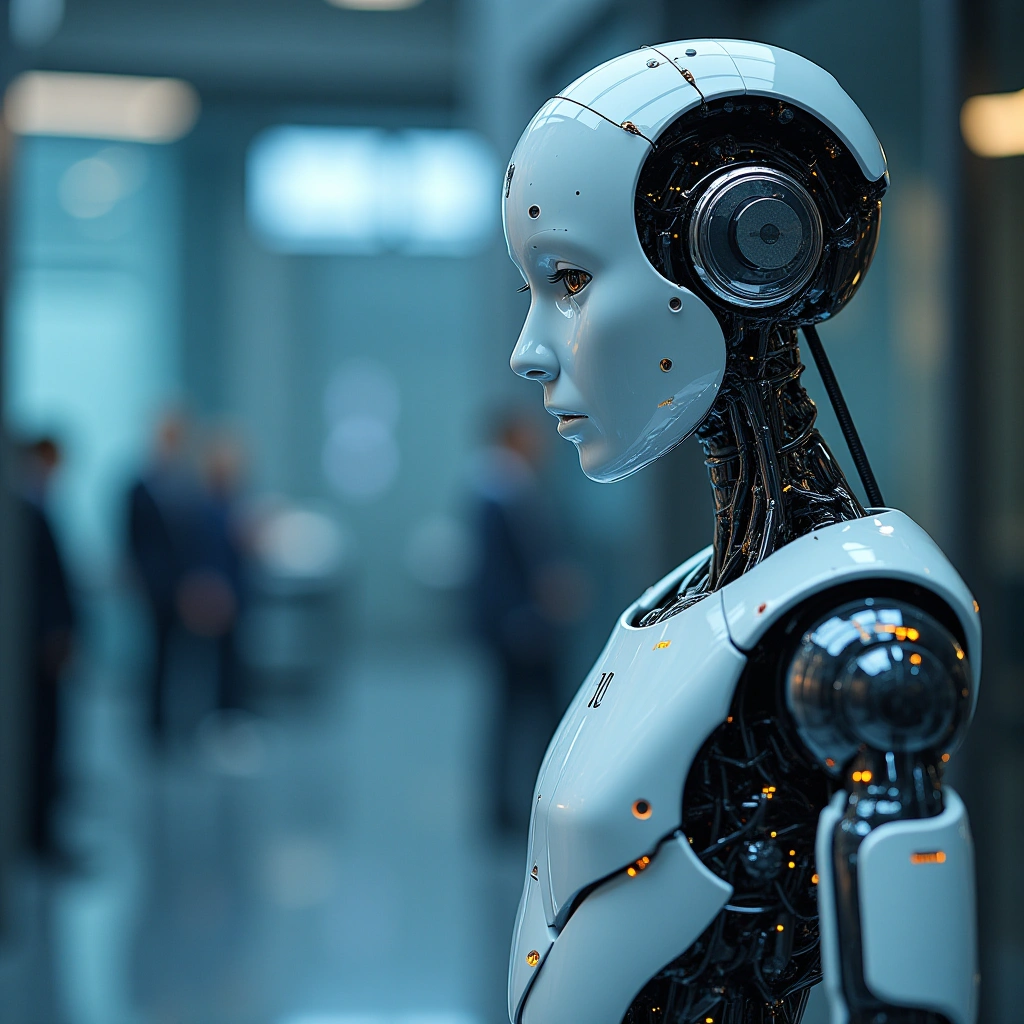
First off, let’s clarify what we mean by AI. It’s not some futuristic robot with a shiny metallic body; it’s more like a highly sophisticated set of algorithms that can analyze data, recognize patterns, and sometimes predict what you want before you even know you want it. Think of it as your overly attentive friend who remembers your favorite ice cream flavor (mint chocolate chip, obviously) but also occasionally suggests something weird, like kale.
The Good: Better Decisions, Faster
Imagine you’re a manager at a company trying to decide which marketing strategy to pursue. You could spend weeks analyzing data, or you could let AI crunch the numbers and spit out recommendations faster than you can say “data-driven decisions.” AI can process massive amounts of information in seconds, helping you identify trends and make informed choices without losing your sanity (or your hair).
The Bad: Garbage In, Garbage Out
However, as the saying goes, “garbage in, garbage out.” AI is only as good as the data it’s fed. If your data is biased or incomplete, congratulations! You’ve just made a decision based on faulty information. It’s like asking your friend for a restaurant recommendation and they suggest a place that serves food you’re allergic to. Not cool, right?
The Ugly: Loss of Human Touch
Another consideration is the potential loss of the human element in decision-making. Sure, AI can analyze data and even predict consumer behavior, but it can’t replicate human intuition or empathy. Sometimes, the best decisions come from gut feelings or understanding team dynamics—something an algorithm can’t quite grasp. So, while AI can help, don’t let it completely take the wheel. Otherwise, you might end up with a decision that looks great on paper but feels as cold as a winter morning.
The Balancing Act
So, how do we strike a balance? Here are a few tips:
1. Use AI as a Tool, Not a Crutch: Think of AI as your sidekick, not your superhero. It can provide insights, but you should still trust your instincts and experience.
2. Validate Your Data: Before you act on AI recommendations, ensure your data is clean and unbiased. Your future self will thank you when you don’t end up in a pickle.
3. Stay Human: Remember that behind every decision, there are people. Keep the human element in your decision-making process, especially when it comes to team dynamics or customer relationships.
4. Keep Learning: AI is constantly evolving. Stay updated on new developments and how they can be integrated into your decision-making processes to ensure you’re not left behind, like that one friend who still uses a flip phone.
Conclusion: Embrace the Future, But Don’t Forget Your Roots
In conclusion, AI is here to stay, and it’s reshaping how we make decisions. Embrace it, but don’t let it take over completely. After all, you wouldn’t let a robot choose your wardrobe (unless you’re into questionable fashion choices). By considering the pros and cons of AI in decision-making, you can harness its power while still keeping your human touch. Now, if only AI could help me decide on a Netflix show to binge-watch without giving me 500 options that all look terrible.
Happy decision-making, folks!
Inspired by: “AI: Considerations for people who make decisions” (r/technology)