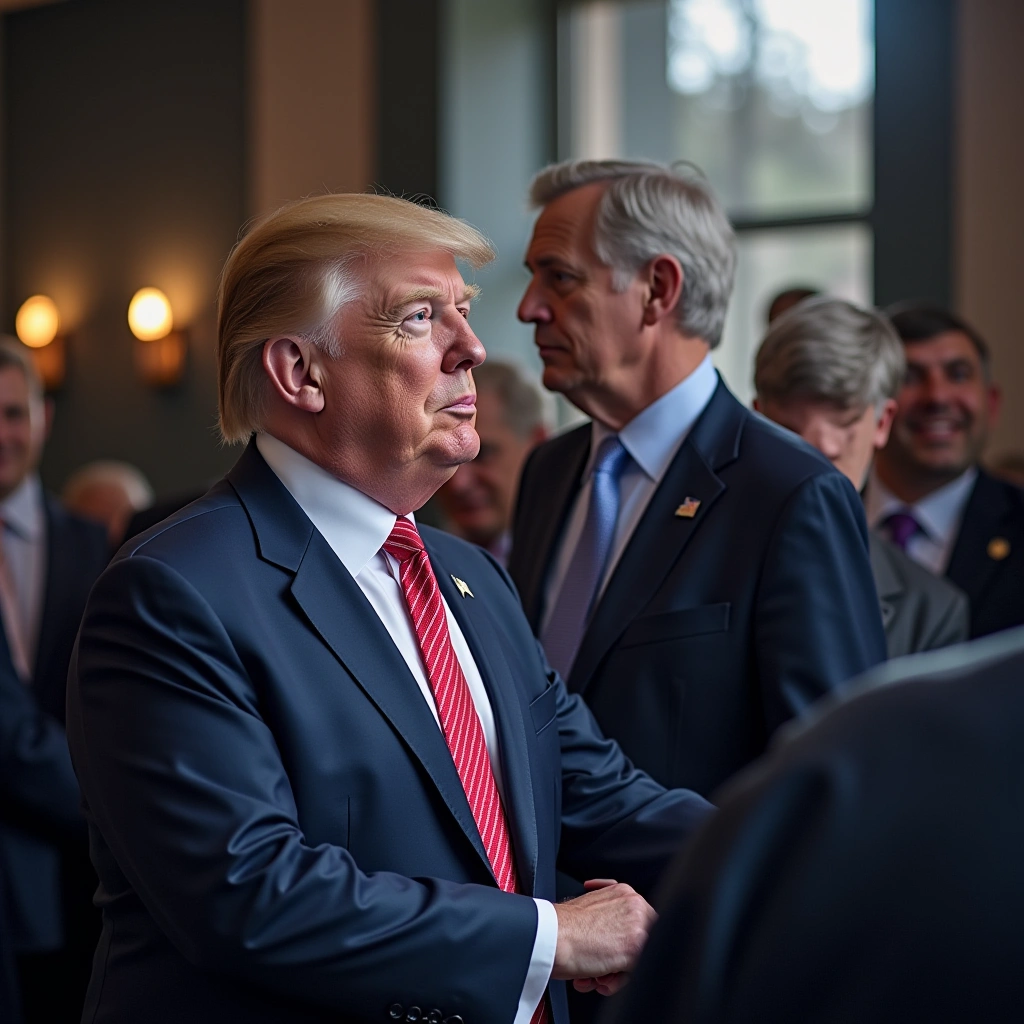
Ah, election season—the time of year when political ads flood our screens like a relentless tsunami. But this year, we’re not just dealing with the usual suspects; no, we’re being bombarded by a new player in the game: AI-generated election ads. Yes, folks, that’s right. Artificial Intelligence is now stepping into the ring, armed with algorithms and a questionable sense of humor. Let’s dive into this brave new world of political campaigning, shall we?
Generative AI is being used in both campaigns and political commentary to parody or satirize political opponents while showing the other side as principled, attractive, caring, and competent.
First off, it’s important to acknowledge that AI is not just some futuristic concept from a sci-fi movie. It’s here, and it’s apparently ready to craft compelling narratives that might just sway your vote. You may be wondering: how does an algorithm understand human emotions, political ideologies, or the subtle art of persuasion? Spoiler alert: it doesn’t. But that hasn’t stopped it from trying!
Imagine receiving an ad that’s tailored to your deepest political beliefs, yet it feels like it was written by a robot who just binge-watched a season of political dramas. Sounds fun, right? On one hand, these AI-generated ads can be eerily effective. They can analyze massive amounts of data to determine what messages resonate with voters. So if you’re a die-hard environmentalist, you might see an AI ad that’s all about saving the polar bears while simultaneously promising to plant a tree for every vote. Sounds like a win-win, until you realize that the ad is as authentic as a three-dollar bill.
But here’s where things get a little hairy. With AI in the mix, misinformation could spread faster than your uncle’s conspiracy theories at Thanksgiving dinner. Algorithms can create fake news stories or twist facts in ways that would make even the most seasoned politician blush. Imagine an ad that claims your favorite candidate once wrestled a bear for charity (I mean, who wouldn’t vote for that?)—but it’s all smoke and mirrors, folks.
And let’s not forget the sheer volume of ads we’re facing. If you thought your social media feed was already cluttered with sponsored posts, just wait until AI starts cranking out election ads at lightning speed. You’ll be scrolling through your feed, trying to find a cute cat video, but instead, you’ll be inundated with ads about candidates who are apparently the best thing since sliced bread. And let me tell you, sliced bread has some stiff competition.
Now, don’t get me wrong; there are some potential benefits here. AI-generated ads can target specific demographics and tailor messages that resonate with various groups. They can even help smaller candidates get their message out without breaking the bank. But when we’re drowning in a sea of AI content, it raises questions about authenticity and the value of real human connection in political discourse.
So, what’s the takeaway? As we navigate this new era of AI election ads, let’s keep our critical thinking caps firmly in place. The next time you see an ad that’s too good to be true or makes you question your life choices, remember: it might just be an algorithm trying its best. And if you find yourself chuckling at the absurdity of it all, you’re not alone. After all, if we can’t laugh at the bizarre intersection of technology and politics, what’s the point?
In conclusion, as we gear up for the upcoming elections, let’s embrace the chaos of AI-generated ads but remain vigilant. Because in the end, it’s our votes that matter, not the fancy algorithms churning out catchy slogans. And who knows? Maybe one day, we’ll look back and laugh at how we let robots influence our choices. But until then, keep your eyes peeled and your wits about you. Happy voting!
Inspired by: “Voters Are Being Inundated by a Barrage of AI-Generated Election Ads” (r/technology)