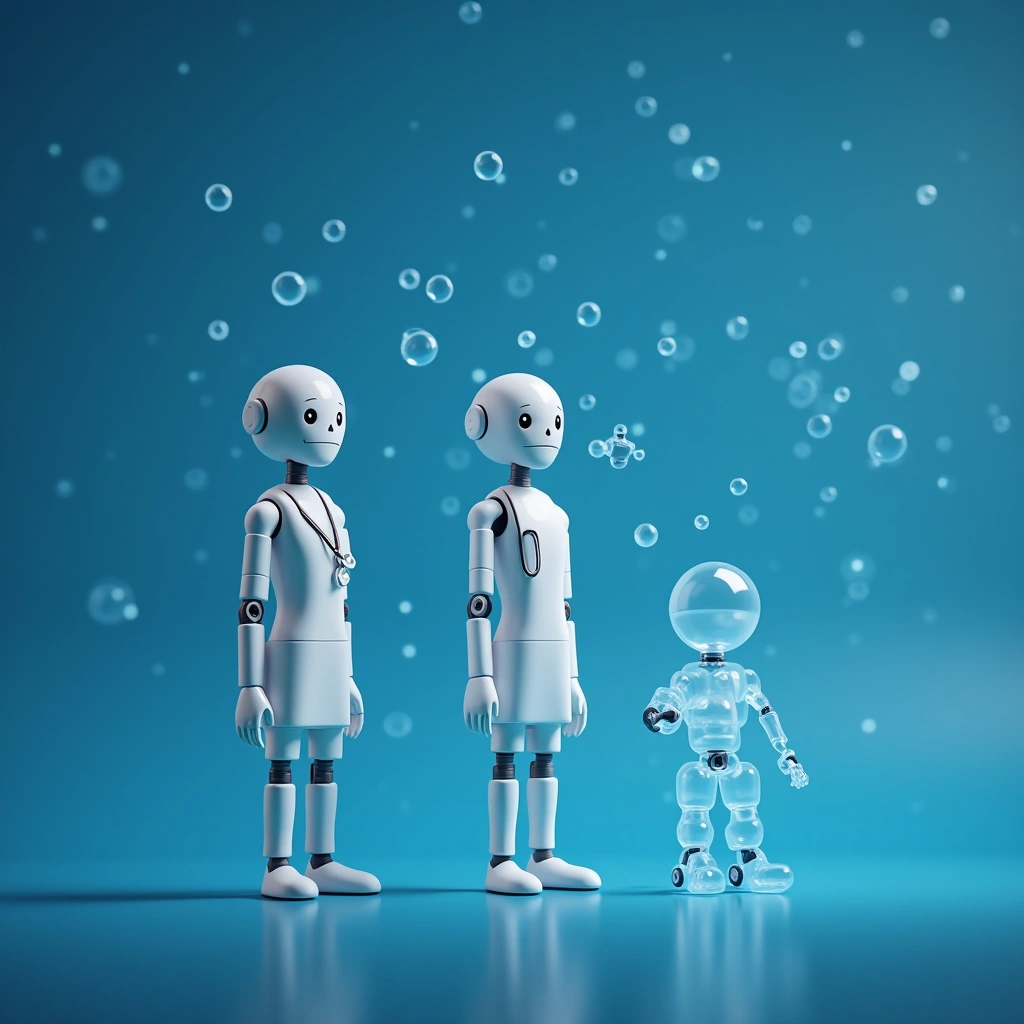
In an age where technology is rapidly advancing, we often find ourselves at the mercy of the latest shiny gadget or app promising to revolutionize our lives. One of the newest contenders in this arena is the AI-generated doctor. Yes, you heard me right! We’re talking about algorithms masquerading as medical professionals. While the idea of having a doctor available at the click of a button sounds appealing—especially when you’re too lazy to change out of your pajamas for a check-up—there’s a significant catch: these digital healers might be more of a danger than a solution.
AI chatbots carry documented health information risks. A 2026 BMJ Open audit of five chatbots found 49.6% of 250 health responses were problematic; 19.6% were highly problematic or potentially harmful. Average reference completeness was only 40%, and a 2023 JMIR study found only 32% of AI-generated citations fully accurate, with nearly half partly fabricated. Chatbots pattern-match rather than reason clinically and rarely express uncertainty. Safe use rules: never rely on a chatbot to decide if a symptom needs emergency care; confirm diagnoses or drug decisions with a licensed clinician. A lic
Let’s face it, we all love the convenience of technology. Who wouldn’t want a doctor that’s available 24/7, doesn’t judge your diet choices, and won’t roll their eyes at your Google search history? But here’s the kicker: AI-generated doctors are not real doctors. They’re essentially glorified calculators that can spit out medical advice based on data but lack the human touch—or a brain, for that matter.
Now, let’s dive into the meat of the matter. The primary concern with AI-generated healthcare is the potential for misleading information. Imagine this: you’re feeling under the weather and decide to consult your friendly neighborhood AI doctor. You input your symptoms, and instead of getting solid advice, you’re told to drink a gallon of pickle juice and do the chicken dance. Okay, maybe not that extreme, but you get the point. These bots can misinterpret symptoms or fail to account for individual health nuances, leading to potentially harmful advice.
But that’s not all! Misleading information can lead to a domino effect of poor health decisions. Picture a scenario where someone relies on an AI doctor’s diagnosis and skips a necessary visit to a real physician. That’s a recipe for disaster. And let’s not forget the fact that these AI systems can also be manipulated or trained on biased data, which means the advice they give could be skewed or even dangerous.
There’s also the issue of accountability. When you go to a human doctor and they mess up, you can at least yell at them and potentially sue for malpractice. What are you going to do? Send an angry email to a chatbot? Good luck with that! The lack of accountability in AI-generated healthcare could leave patients in a lurch when things go wrong.
Now, I know some of you might be thinking, “But AI can analyze data faster than any human ever could!” Sure, it can, and I’m all for leveraging technology to improve healthcare. But let’s not throw the stethoscope out with the bathwater. There’s a reason why doctors spend years in medical school and undergo rigorous training. They’re not just memorizing symptoms; they’re learning to think critically, make nuanced decisions, and, yes, even show empathy.
So, what’s the solution? While it might be tempting to rely solely on AI-generated doctors for our health needs, it’s crucial to remember that they should complement, not replace, traditional healthcare. Think of them as your overly enthusiastic assistant who sometimes gets things hilariously wrong. Use them for general information, but always consult a real-life doctor for serious health concerns.
In conclusion, while AI-generated doctors may seem like a futuristic dream, they come with a host of potential dangers that we can’t afford to ignore. So, the next time you consider asking a chatbot for health advice, just remember: it’s great for trivia but not so great when it comes to your well-being. Stick with your human doctors, and save the AI for ordering pizza or binge-watching your favorite shows—trust me, that’s a much safer bet!
Inspired by: “Misleading AI-generated doctors pose ‘huge danger to public safety’” (r/technology)