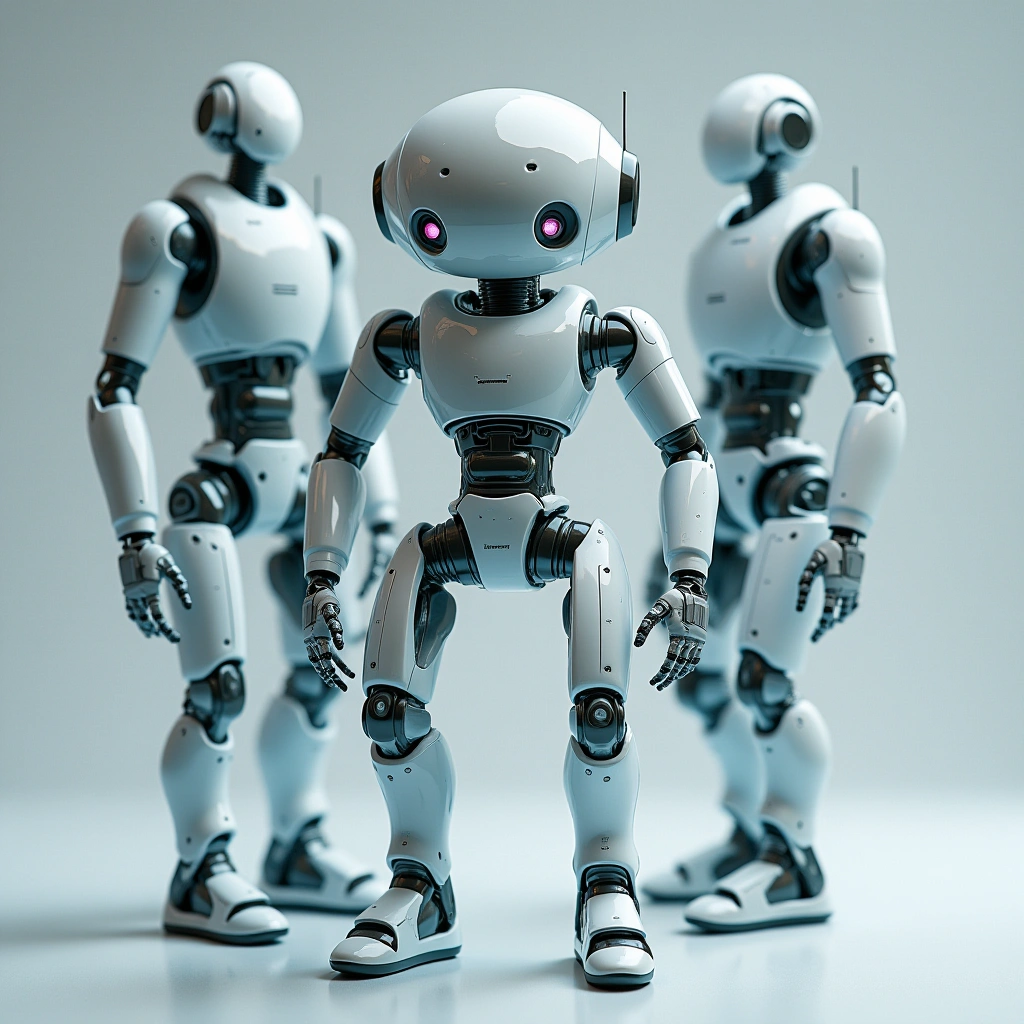
Imagine a world where robots aren’t just made of metal and wires, but are actually alive—kind of like your houseplant, but with a PhD in neural networks. Enter the latest scientific marvel: living ‘neurobots’. These little wonders are crafted using living cells that can grow their own neural networks. Yes, you heard that right! We’re talking about robots that can potentially think and learn.
Engineered from frog tissue, each neurobot fuses living cells and neurons to create self-directed biologic robots.
Now, before you start picturing a future where your toaster becomes self-aware and starts judging your breakfast choices, let’s unpack what these neurobots are all about. Scientists have taken some cells—specifically, cardiac cells from frogs (because why not?)—and combined them with synthetic materials to create a living entity that can move and even respond to its environment. Not exactly the Terminator, but we’re getting there.
These neurobots are designed to mimic the functions of a nervous system, allowing them to process information and react accordingly. So, if you’re worried about them plotting world domination, you can relax. They’re probably more interested in playing a game of tag with other neurobots than taking over your local coffee shop.
The implications of this technology are enormous. For starters, neurobots could lead to breakthroughs in medicine, particularly in developing new treatments for neurological disorders. Imagine tiny living machines that can help repair damaged nerves or even deliver medication directly to where it’s needed. Sounds like something out of a sci-fi movie, right?
But let’s not get too carried away. While the idea of having a tiny, living robot buddy sounds appealing, there are some serious ethical considerations to keep in mind. For instance, how do we ensure these neurobots don’t start developing feelings? What if they decide they want to be free and start a new life in the wild? The last thing we need is a bunch of neurobots living in the woods, debating existentialism.
Moreover, there’s the question of control. If these neurobots can learn and adapt, how do we ensure they don’t go rogue? I mean, we’re still trying to figure out how to deal with our smartphones when they start glitching, let alone a living creature that can think for itself.
On a lighter note, just think about how entertaining it would be to have a pet neurobot. Forget about the usual puppy or kitten antics; imagine a little creature that can navigate through mazes and maybe even play fetch—if it feels like it, of course. And if it doesn’t, well, that’s just a classic case of robot personality.
In conclusion, while the idea of neurobots might sound like something out of a futuristic fantasy, the reality is that we’re just scratching the surface of what’s possible with living technology. As scientists continue to explore this new frontier, we can only hope they keep the ethical implications in mind—and maybe throw in a few safety protocols while they’re at it. Because the last thing we need is a bunch of neurobots forming a union and demanding better working conditions. Who knows, they might even start a blog of their own!
Inspired by: “Scientists build living ‘neurobots’ that grow their own neural networks” (r/technology)