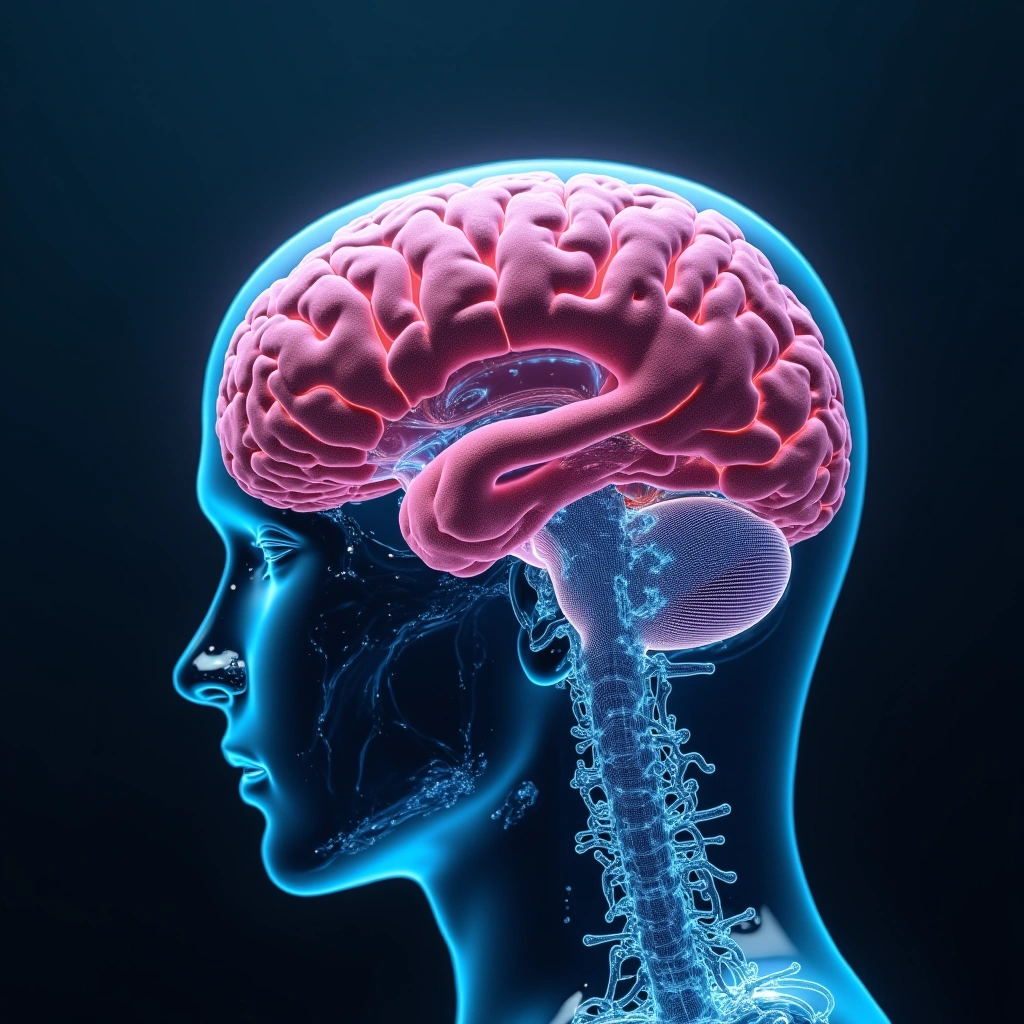
Have you ever wondered what it would be like if artificial intelligence had a brain? Well, buckle up, because we’re about to dive into the fascinating world of AI development, where the latest buzz is that AI is getting a cerebellum. Yes, you heard that right, folks. Forget about all those sci-fi movies where robots take over the world; now, they’re just trying to perfect their balance and coordination!
Rather than simply making AI hardware more efficient, the Northwestern team redesigned the device to mimic a specific circuit in the cerebellum, which excels at detecting novelties and making split-second decisions.
So, what exactly does it mean for AI to have a cerebellum? For those of you who might not remember your high school biology (or perhaps you just skipped that class for a more riveting one on social media), the cerebellum is the part of the brain that helps with motor control, coordination, and, let’s be honest, not tripping over your own feet. It’s what helps you ride a bike without toppling over or dance like no one is watching (even if they are).
Now, applying this concept to AI is like giving a toddler a bicycle; it’s both terrifying and exciting. Researchers are working on developing AI systems that can learn from their mistakes, adapt to new situations, and improve their motor functions over time. This means that instead of just crunching numbers and spitting out answers like a caffeinated calculator, AI could actually learn to navigate the world more like we do. Imagine a robot that could walk without falling flat on its face! It’s like giving them a personal trainer, but instead of lifting weights, they’re lifting their own self-esteem.
But wait, there’s more! The implications of this development go beyond just not crashing into walls. With a cerebellum-like capability, AI could revolutionize fields such as robotics, autonomous vehicles, and even virtual reality. Picture a self-driving car that not only knows how to get from point A to point B but can also handle unexpected obstacles like a squirrel darting across the road or a traffic cone that mysteriously appeared out of nowhere. It’s like having a designated driver who’s also a ninja!
Of course, with great power comes great responsibility (thanks, Uncle Ben). The more we advance AI technology, the more discussions we’ll have about ethics, safety, and whether or not we should be teaching our future robot overlords how to juggle. After all, we wouldn’t want them getting too confident, would we?
In conclusion, the idea of AI getting a cerebellum is not just a quirky science experiment; it’s a significant step forward in making AI more versatile and capable. Who knows? One day we might just have robots that can not only perform complex tasks but also join us for a game of charades without knocking over the coffee table.
So, the next time you hear someone say, “AI is getting a cerebellum,” just remember: it’s not the beginning of the robot apocalypse, but rather the dawn of a new era where machines might just learn not to trip over their own circuits. And honestly, that’s a development we can all get behind.
Inspired by: “AI Gets a Cerebellum” (r/technology)