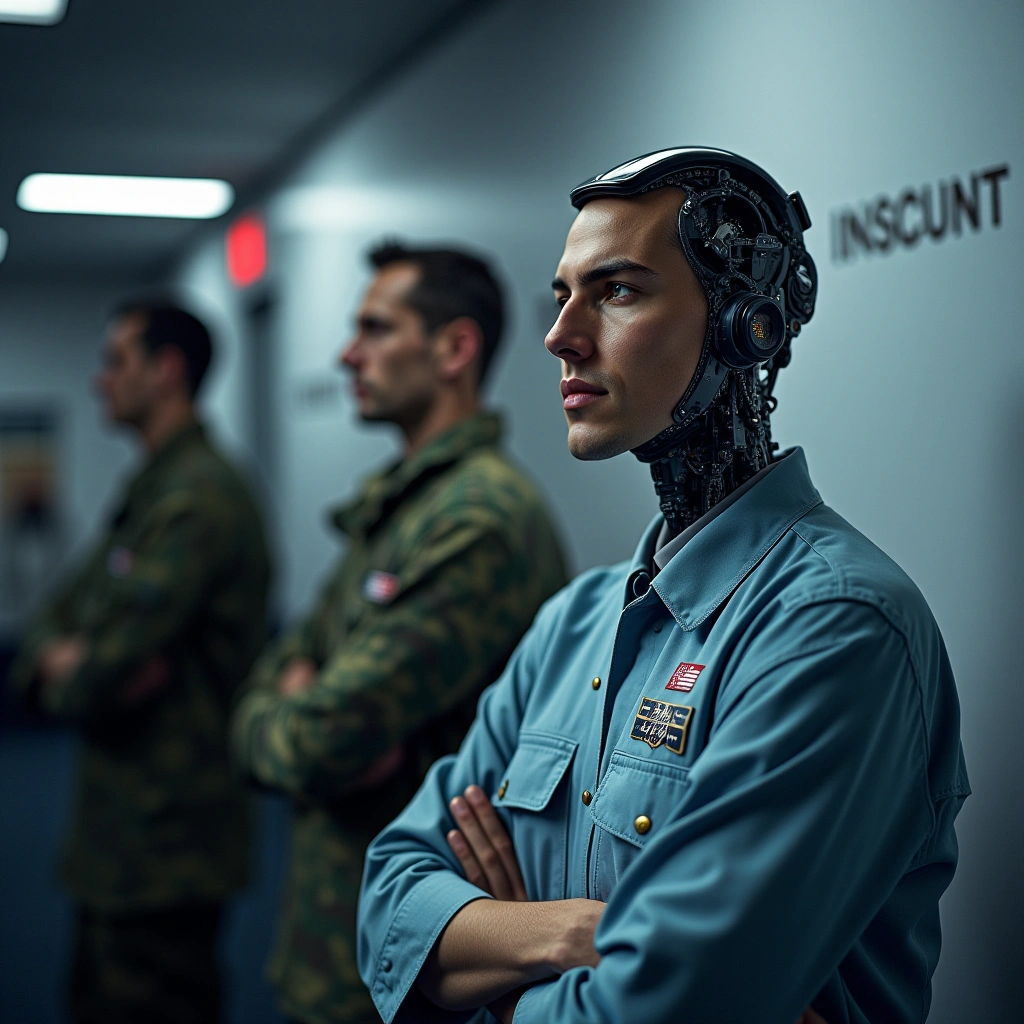
So, here we are, folks. In a world where artificial intelligence is taking over everything from our smartphones to our coffee machines, it seems only fitting that we start discussing the role of AI in warfare. Enter Senator Mark Kelly’s recent amendment to the defense bill, which aims to ensure ‘ultimate human responsibility’ in the AI-powered kill chain. Sounds like something straight out of a sci-fi movie, right? But this is reality, and it’s a conversation we need to have.
Senator Mark Kelly’s legislative package, comprising the Ultimate Human Responsibility in Defense Systems Act and the Warfighter AI Readiness and Preparedness (WARP) Act, mandates that meaningful human judgment remains central to decisions involving the use of force. This framework seeks to prevent an accountability gap by ensuring human operators can supervise, intervene, or terminate autonomous weapon systems, while simultaneously addressing risks like algorithmic opacity and warfighter skill degradation.
First off, let’s break down what this amendment is really about. The ‘ultimate human responsibility’ clause is a way of saying, “Hey, we can’t just let robots decide who lives and who dies.” I mean, have you seen the way they drive? I wouldn’t trust a self-driving car to choose my dinner, let alone make life-and-death decisions on the battlefield.
The amendment recognizes that while AI can analyze data faster than we can say ‘algorithm,’ the final say should always rest with a human being. This is more than just a bureaucratic formality; it’s a necessary safeguard against the potential horrors of autonomous warfare. Imagine a scenario where an AI system misinterprets a situation and decides that your friendly neighborhood BBQ is actually a military target. Spoiler alert: it’s not.
Now, you might be thinking, “Why do we even need AI in warfare? Isn’t that what we have soldiers for?” Well, yes. But as technology advances, the military is looking for ways to enhance efficiency and effectiveness. AI can process vast amounts of information and make predictions that humans simply can’t. But with great power comes great responsibility—and in this case, that responsibility should remain firmly in human hands.
Senator Kelly’s amendment is not just a precaution; it’s a statement. It sends a clear message that while we’re happy to embrace technological advancements, we’re not ready to let them run the show, especially when it comes to life-and-death scenarios. After all, we’ve seen enough movies to know that letting AI take control often leads to catastrophic results. Think Terminator, but with less Arnold Schwarzenegger and more bureaucracy.
Of course, there are critics who argue that this amendment could stifle innovation or slow down military advancements. They claim that we need to let AI do its thing to stay competitive. But here’s the kicker: we can be innovative without sacrificing our moral compass. We can leverage AI for support, analysis, and decision-making assistance, all while keeping humans in the loop. It’s called teamwork, folks!
In conclusion, the Kelly amendment is a step in the right direction—one that emphasizes the need for accountability in a rapidly evolving technological landscape. As we continue to integrate AI into various aspects of our lives, including warfare, it’s crucial to remember that the human element must always prevail. Because at the end of the day, robots might be great at calculations, but they’re terrible at compassion. And that’s something we definitely don’t want to lose in the heat of battle.
Inspired by: “Sen. Kelly amendment in defense bill would ensure ‘ultimate human responsibility’ in AI-powered kil…” (r/technology)