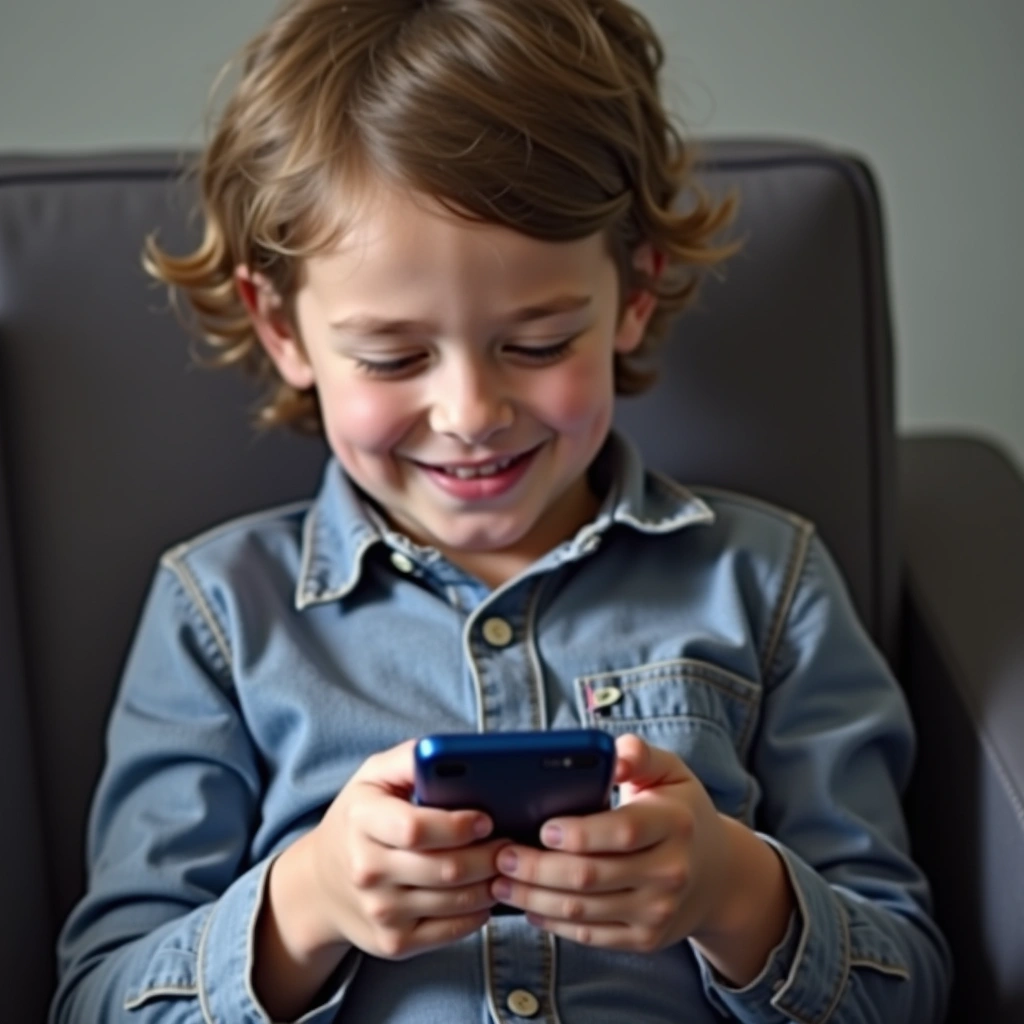
The UK has recently made headlines with its decision to impose a social media ban on children under the age of 16. Yes, you heard that right! In a world where TikTok dances and Instagram filters have become rites of passage for kids, the government has decided to step in and play the role of the protective parent. But before you start picturing a utopia where kids are blissfully unaware of social media, let’s dive into the nitty-gritty of this ban and the challenges that come with it.
Prime Minister Keir Starmer announced a ban on social media access for under-16s in the UK, effective spring 2027, citing concerns that platforms are designed to be addictive and harmful to children’s mental health. The policy, described as an “Australia-plus” model, extends beyond a simple age restriction by blocking livestreaming and stranger communication for minors and applying restrictions to gaming sites. While over 90% of British parents support the measure following a national consultation, enforcement challenges loom large due to precedents like Australia’s recent ban, where 70% of children reportedly bypassed restrictions. Tech giants like Meta and YouTube argue that blanket bans push kids toward less safe, unregulated alternatives, whereas the government maintains that establishing clear legal boundaries is necessary regardless of enforcement difficulties.
First off, the rationale behind this ban is commendable. With increasing concerns about mental health issues, cyberbullying, and the impact of social media on young minds, the government is essentially saying, “Hey, let’s put down the phones and maybe go outside for a change!” You know, the classic ‘get off my lawn’ approach. But here’s where things get a little trickier. Experts are already raising eyebrows and warning that enforcing this ban is going to be a monumental task.
Imagine trying to enforce a ban on social media for under-16s. You might as well try to herd cats! The internet is a vast, wild jungle, and kids are savvy little creatures. They’ve got VPNs and secret accounts like they’re running a covert operation. “Oh, you thought I deleted my TikTok? Surprise!” It’s like trying to stop a determined toddler from sneaking cookies – good luck with that.
Moreover, let’s consider the implications for parents. If kids are banned from social media, what’s the alternative? Are we expecting them to engage in good old-fashioned activities like reading books or playing outside? (Gasp!) What about the parents who use social media as a digital babysitter? You know who you are. The thought of your child actually asking you to play Monopoly instead of scrolling through their phone is enough to send shivers down your spine.
And then there’s the issue of education. Many schools are integrating social media into their curriculums, teaching kids about digital citizenship and online safety. So, are we now saying that these kids can’t practice what they learn? It’s a bit of a paradox, isn’t it?
As the UK embarks on this ambitious project, it’s essential to consider whether a blanket ban is truly the best solution. Perhaps instead of outright prohibition, we could focus on better education around social media use, teaching kids how to navigate the digital world safely and responsibly. It’s like giving them a life jacket instead of tossing them overboard.
In conclusion, the UK’s social media ban for under-16s is a bold move that raises many questions. While the intent is to protect children from the potential dangers of the online world, the enforcement challenges are no small feat. So, as we watch this unfold, let’s hope for a solution that balances safety with the realities of growing up in the digital age. And who knows? Maybe we’ll find that kids can actually have fun without their screens. Or maybe they’ll just figure out how to create a secret social media network. Either way, it’s going to be an interesting ride!
Inspired by: “UK declares under-16 social media ban to protect children, but experts warn of enforcement challeng…” (r/technology)