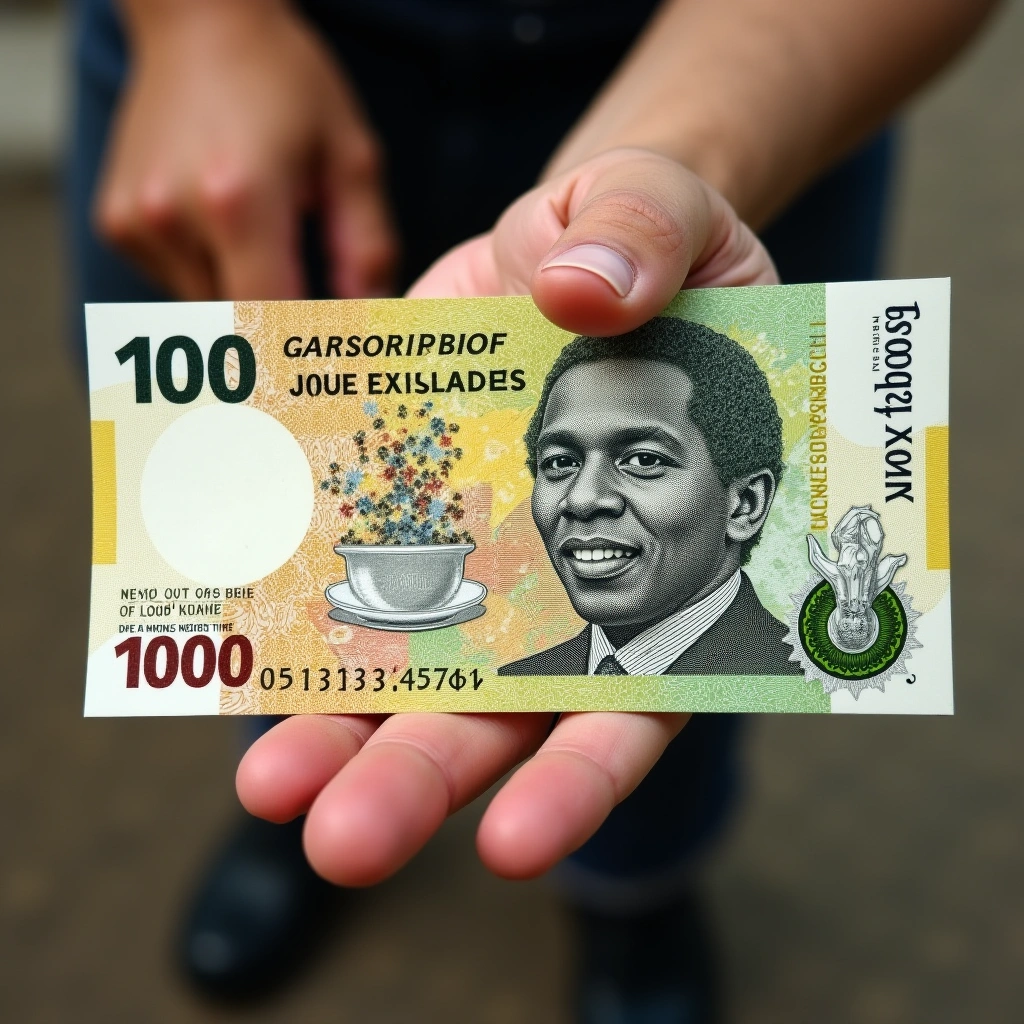
Ah, Zimbabwe! A land known for its stunning landscapes, majestic wildlife, and, oh yes, a 100 trillion dollar note that makes Monopoly money look like a penny! If you thought your wallet was feeling a little light, just wait until you hear about the extreme hyperinflation that plagued Zimbabwe in the late 2000s.
Related reading: Trillion Dollar Note
Picture this: It’s 2008, and you’re trying to buy a loaf of bread. Guess what? If you wait until tomorrow, that loaf will cost you double! Yes, you heard that right—prices were doubling every single day. If you think your grocery shopping is a roller coaster, buckle up, my friend! Zimbabwe had the market on hyperinflation all figured out, making even the most seasoned price hiker dizzy.
Hyperinflation, in layman’s terms, is when a country’s currency loses its value faster than a teenager can lose their phone. In Zimbabwe, the government decided that the solution to its economic woes was to print more money. And boy, did they print! They cranked out so much cash that the Reserve Bank of Zimbabwe was practically a printing press. Enter the infamous 100 trillion dollar note, a currency so absurd that it could make you question your sanity.
Now, let’s break this down. In 2008, you could hold a 100 trillion dollar note in your hand, but what could you actually buy with it? Well, imagine walking into a store with your hefty bill, only to find out it might buy you a pack of gum—if you’re lucky! Talk about a punchline that just keeps getting funnier!
The root of this hyperinflation madness? A cocktail of poor economic policies, political instability, and a sprinkle of corruption. Toss in some agricultural collapse (thanks to land reform policies that didn’t quite pan out) and you’ve got a recipe for disaster. Who knew that trying to fix a broken economy could lead to a financial circus?
In the face of this chaos, many Zimbabweans turned to the US dollar and South African rand as a means of survival. After all, who wants to risk being paid in a currency that’s about as valuable as a chocolate teapot? While the world looked on in disbelief, Zimbabweans learned to adapt, trade, and barter in ways that would make any economist’s head spin.
Eventually, the situation became so dire that Zimbabwe scrapped its currency altogether in 2009, opting instead for a multi-currency system. A bold move, but let’s be real—who wouldn’t prefer cold hard cash over a stack of paper that could double as confetti at a party?
So what’s the takeaway from this wild tale of hyperinflation? Well, it’s a reminder that when it comes to economics, sometimes the best-laid plans go awry, and a little humor can help you cope with the absurdity of it all. Next time you’re feeling financially strained, just remember: at least you’re not juggling 100 trillion dollar notes in a hyperinflation nightmare!
And who knows? Maybe in a few years, we’ll all be laughing about how we survived the post-pandemic economy. Keep your sense of humor intact, folks—you never know when it might come in handy!
Inspired by: “Zimbabwe printed a 100 trillion dollar note during extreme hyperinflation in the late 2000s where p…” (r/interestingasfuck)