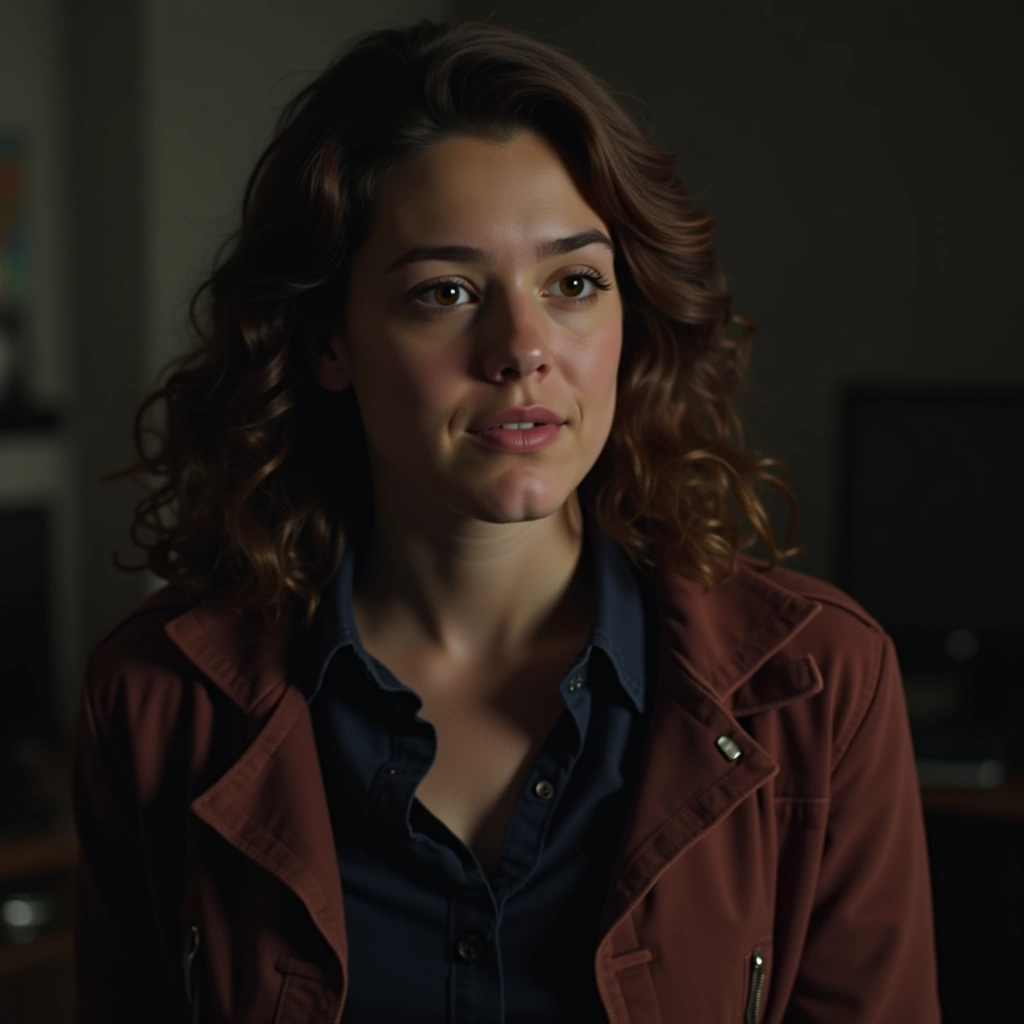
Kylie Truswell-Mobbs was arrested in 2025 after her husband, who had an aggressive form of MND, was administered a lethal dose of painkillers .
In a case that has raised eyebrows and sparked heated discussions, Kylie Ellina Truswell-Mobbs has recently pleaded guilty to aiding in the death of her terminally ill husband, David Ronald Mobbs. Yes, you read that right. This isn’t your typical courtroom drama; it’s a real-life tragedy that has left many questioning the boundaries of love, compassion, and the law.
David was suffering from motor neurone disease, a condition so brutal it transforms vibrant lives into a struggle for basic functions. Imagine facing a future where even the simplest tasks become monumental challenges. It’s the type of situation that no one wants to find themselves in, yet here we are, discussing the choices made in the face of unimaginable pain.
So, what happened? In a moment that sounds like it was ripped straight from a heartbreaking movie script, David requested that Kylie assist him in ending his life. It’s a request no spouse is prepared to hear, and yet, in an act of what she believed was compassion, Kylie drugged him with medication to fulfill his wishes. The result? A guilty plea and a two-year suspended sentence. Because apparently, the law has some pretty strict guidelines on how to handle love and death.
Now, you might be wondering about the reaction to this courtroom drama. As Kylie left the Brisbane Supreme Court, she was met with cheers from her supporters. Yes, you heard that right—cheers. It’s a strange world when people celebrate a guilty plea for aiding in a death. It’s like a bizarre twist on a graduation ceremony, where instead of tossing caps in the air, they’re tossing around moral dilemmas.
This case brings up some pretty heavy questions: Should we have the right to assist a loved one in dying when they are suffering? Is it compassion or a crime? Do we really want to open that Pandora’s box? The debate around euthanasia and assisted suicide is nothing new, but Kylie’s situation has thrust it back into the spotlight with a vengeance.
For some, Kylie’s actions are seen as an act of love—an extreme measure taken to relieve her husband from his suffering. Others view it as an unforgivable act that should never be condoned. It’s a classic case of ‘you say tomato, I say murder,’ and the line between compassion and criminality seems to blur more and more.
While legal experts dive into the nitty-gritty of the law, we’re left to ponder the emotional fallout. How do you move forward after making such a choice? What does it mean for the concept of marriage, vows, and the promises we make to one another? These are not easy questions to answer, and the answers might differ wildly depending on who you ask.
In the end, Kylie Truswell-Mobbs walked from court with a suspended sentence, but the real sentence may be the one she carries in her heart. It serves as a stark reminder that love can sometimes lead us down dark paths, and when it does, the consequences can be as complicated as the feelings that brought us there in the first place.
So, as we reflect on this tragic tale, let’s remember that love is a complicated beast. It can lift us to great heights, but it can also lead us into murky waters. And in those moments of despair, we must tread carefully, lest we find ourselves lost in the depths of our choices.
Inspired by: “Wife who killed terminally ill husband pleads guilty, walks from court” (r/News)