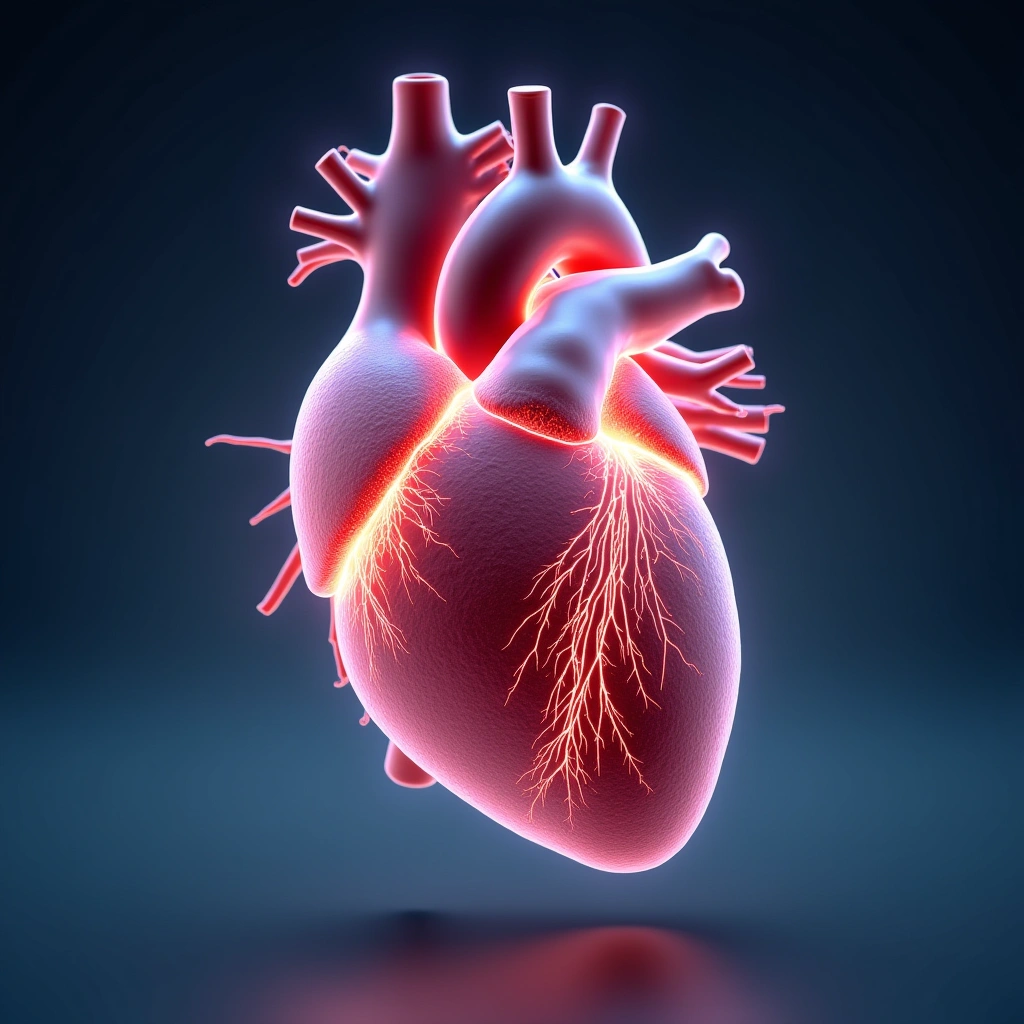
Hey there, fellow science enthusiasts! Today, we’re diving into the fascinating (and slightly spooky) world of decellularized ghost hearts. Yes, you heard that right—a ghost heart! It sounds like something out of a sci-fi movie, but it’s actually a groundbreaking scientific endeavor that could change the way we think about organ transplants forever.
So, what exactly is a decellularized ghost heart? Picture this: scientists take a real heart, give it a thorough cleansing (think of it as a spa day, but a little more intense), and wash away all the blood and living cells. What they’re left with is basically a pure white protein scaffold that looks like a heart-shaped marshmallow. No living cells, just the structure that once housed them. Spooky, right?
This clean slate is where the magic happens. Researchers can inject the ghost heart with new stem cells—those adorable little building blocks of life—and voilà! You’ve got yourself a custom organ in the making. It’s like ordering a bespoke heart from a high-end organ tailor. “I’ll take it with a side of healthy cells, please!”
Now, before you start picturing your favorite cartoon character walking around with a heart made of cotton candy, let’s talk about the science behind this. The decellularization process isn’t as simple as a rinse and repeat. It involves carefully removing cells without damaging the extracellular matrix, which is the protein framework that gives the heart its shape and function. It’s a delicate dance, and one misstep could send the whole operation into the realm of horror movies.
Why go through all this trouble, you ask? Well, organ transplants are in high demand, and there’s a dire shortage of suitable organs. If you’ve ever been on the waiting list for a transplant, you know it can feel like waiting for a bus that never arrives. By creating custom organs, scientists hope to reduce the wait time and improve outcomes for patients. Plus, there’s the added bonus of using the patient’s own cells, which minimizes the risk of rejection. It’s a win-win situation—unless you’re a ghost heart, of course.
But hold on! Before we all jump on the decellularized bandwagon, let’s consider the controversies. Some critics argue that this technology could lead to ethical dilemmas, especially if we start creating organs for non-medical purposes or if we’re not careful with how we source our stem cells. Do we really want a future where we have organ factories popping up like Starbucks? “I’ll take a grande heart, please!”
In conclusion, the world of decellularized ghost hearts is filled with potential, but it’s also full of questions and ethical considerations that we need to address. As we continue to explore this uncharted territory, let’s keep our minds open and our morals in check. After all, science fiction doesn’t have to become science fact if we play our cards right. Who knows, maybe one day we’ll all be able to customize our own hearts—just remember to keep it on the right side of ethical!
So, what do you think? Are decellularized ghost hearts the future of medicine, or just a creepy science project gone too far? Let’s chat in the comments!