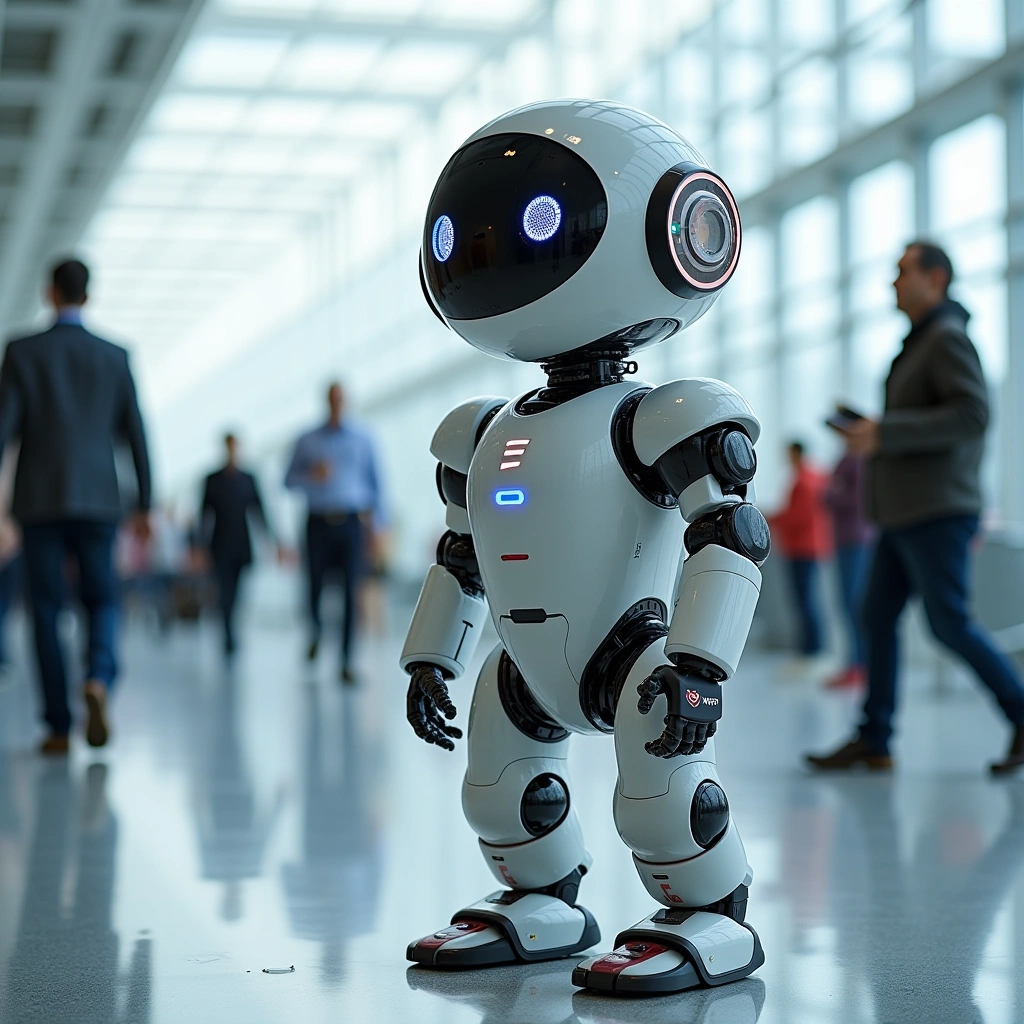
In a move that feels straight out of a sci-fi movie, Southwest Airlines recently made headlines by banning humanoid and animal-like robots from their flights. Yes, you heard that right! We’re living in an age where the airline industry is considering who gets a boarding pass based on how much metal they have in their bones. So, let’s unpack this latest aviation controversy.
First off, let’s address the elephant in the room—or should I say the robot? Why would Southwest Airlines feel the need to ban these futuristic companions? Perhaps they’re worried about a robot uprising mid-flight. Picture it: you’re enjoying your peanuts and soda, and suddenly, a humanoid robot stands up and starts demanding a first-class upgrade. Not exactly how you want to spend your next four hours at 30,000 feet, right?
But let’s be real for a second. The reason behind this ban could be more about safety than a fear of mechanical mutiny. With how packed flights are these days, can you imagine trying to squeeze a robot into a tiny airplane seat? It’s already a challenge fitting your knees in without becoming a human pretzel, let alone accommodating a five-foot-tall robot buddy.
Moreover, think about the emotional support aspect. Airlines have opened their arms to therapy pets, but a robot that looks like a Labrador? Now that’s just asking for a scene! You can bet the last thing you want to hear while waiting for the flight to commence is a robot barking commands at you. “Sit! Stay! Buckle your seatbelt!” Talk about confusing your fellow passengers!
Now, some might argue that this ban is a slippery slope. What’s next? Banning people who dress up as robots for Halloween? “Sorry, sir, your Optimus Prime costume is not allowed. We have a strict no-transforming policy on this airline.” It’s a slippery slope to an absurd future where your favorite cosplay could get you grounded.
On the other hand, is it really that ludicrous to think that humanoid robots could someday be our in-flight companions? I mean, they could help with serving snacks, handling turbulence, and maybe even cracking a joke or two. “Why did the robot cross the road? To optimize its flight plan!” Okay, maybe that one needs a bit of work…
In conclusion, while the ban on humanoid and animal-like robots by Southwest Airlines may seem like a humorous overreaction, it raises some thought-provoking questions about the future of air travel. Will we embrace our robot friends or will they remain in the realm of science fiction? Only time will tell, but for now, let’s keep our flights robot-free—at least until they learn to buckle their own seatbelts!