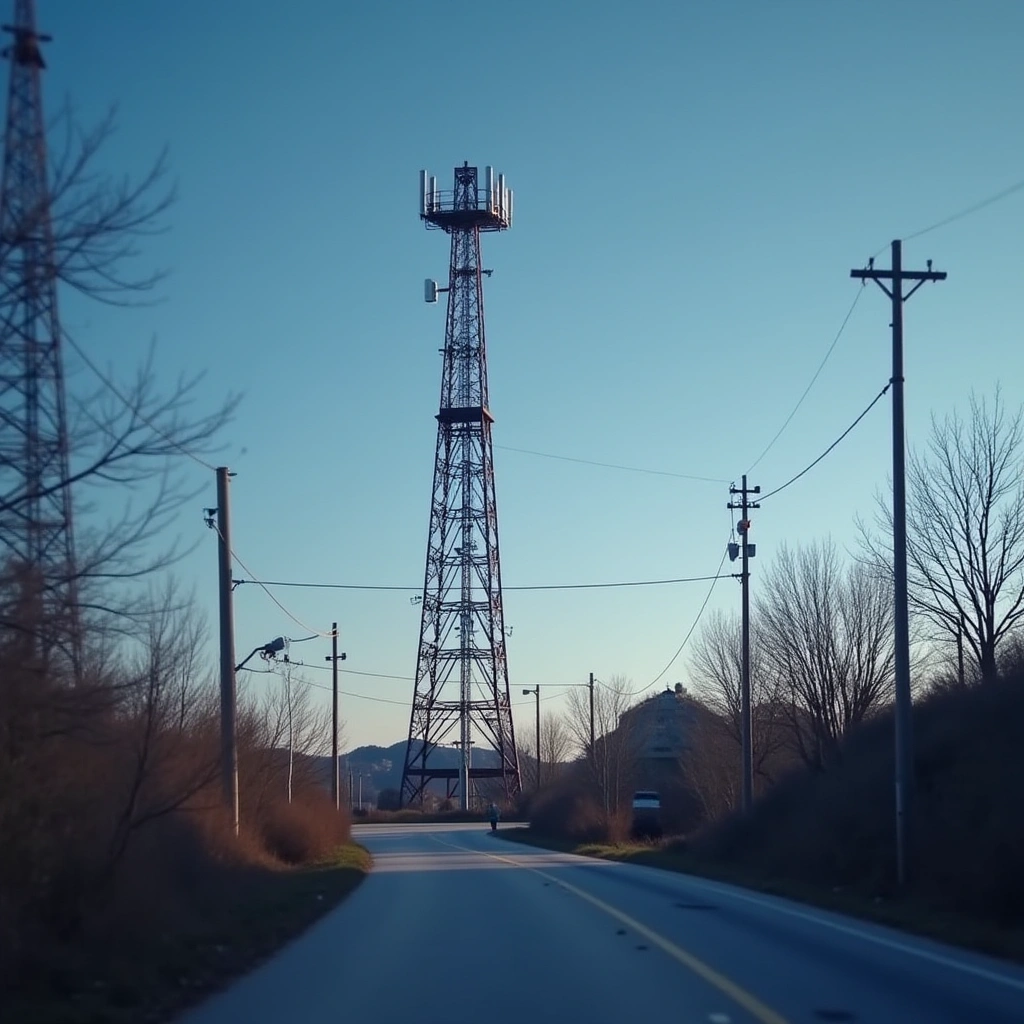
Ah, dead zones. Those pesky places where your phone becomes little more than an expensive paperweight, and you start to question your life choices—like why you didn’t just switch to carrier pigeons. But hold onto your smartphones, because the big three wireless providers—AT&T, T-Mobile, and Verizon—have decided that enough is enough. They’re joining forces to tackle this problem head-on and eliminate those frustrating dead zones across the U.S. Who knew that the ultimate tech fight would be against silence?
Let’s break this down. If you’ve ever traveled to a remote area (like the backwoods or your Aunt Mildred’s house) and found yourself gripped with panic as your phone shows that dreaded “No Service” message, you know the struggle. It’s as if the universe is conspiring against you, forcing you to engage in actual conversations with your fellow humans instead of scrolling Instagram.
So what’s the plan? According to industry insiders, the big wigs at AT&T, T-Mobile, and Verizon are pooling their resources to create a network so robust that even the most remote of locations will have you scrolling TikTok in no time. The initiative aims to share infrastructure and technology, which sounds a lot like high school kids pooling their lunch money for a pizza—except this pizza is a nationwide signal blanket.
This collaboration is groundbreaking for a few reasons. First off, it’s not every day you see fierce competitors come together for a common goal. Usually, they’re too busy throwing shade at each other on social media, like a never-ending episode of ‘Real Housewives: Wireless Edition.’ But here they are, ready to play nice for the greater good. It’s like watching cats and dogs become besties—something we didn’t know we needed until now.
Now, let’s talk about the implications. By reducing dead zones, these companies are not just improving connectivity; they’re also expanding opportunities. Think about it: more reliable service means better access to emergency services in rural areas, improved educational resources for remote learners, and even potential boosts to local economies. It’s like giving a high-five to progress while flipping a bird to isolation.
Of course, this initiative isn’t without its skeptics. Some folks are questioning whether these companies can really deliver on their promises, given their historical track records of offering half-baked solutions that leave customers feeling like they’ve been sold a lemon. But hey, let’s give them a chance! After all, if we didn’t believe in the possibility of change, we’d still be using dial-up internet and avoiding social media like the plague.
In conclusion, while it’s easy to roll your eyes at another corporate initiative, let’s give credit where credit is due. If AT&T, T-Mobile, and Verizon can actually pull this off, we might just be looking at a future where dead zones are as obsolete as flip phones. So, here’s to better coverage, endless scrolling, and the end of awkward conversations with strangers—because who needs that when you have a phone in your pocket? Cheers!