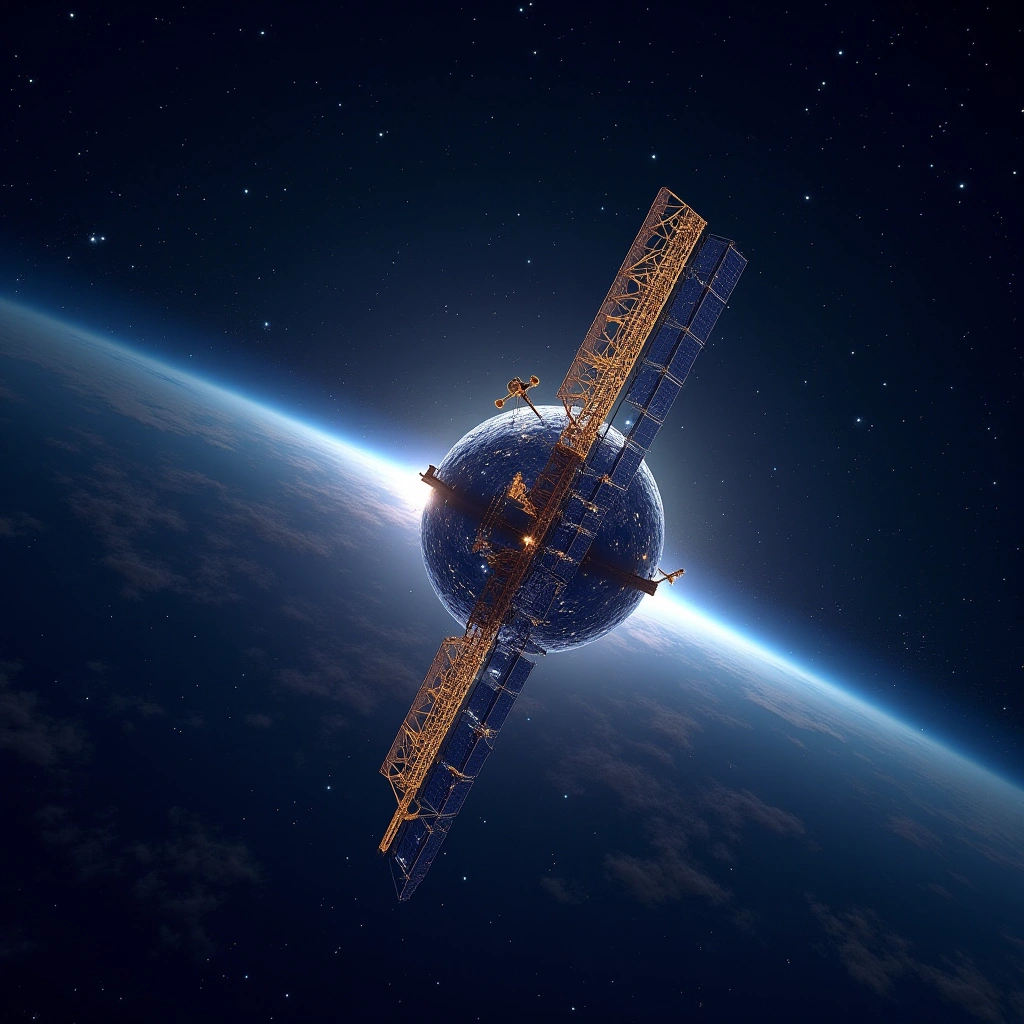
Hold onto your space helmets, folks! In a move that feels like something out of a sci-fi movie, Star Catcher has just snagged a whopping $65 million to kickstart the first-ever power grid in space. Yes, you heard that right! We’re not just talking about solar panels on rooftops here; we’re going intergalactic!
Now, before you roll your eyes and think this is just another tech startup looking to cash in on our fascination with the cosmos, let’s break this down. The idea behind creating a power grid in space isn’t just about being able to charge our smartphones while orbiting Mars. No, my friends, it’s about harnessing solar power—yes, that giant ball of fire in the sky—and beaming it back to Earth. Think of it as the ultimate energy source, minus the pesky emissions. It’s like getting your energy from a giant cosmic battery. Who wouldn’t want that?
But hold your horses! Before we start planning our next vacation to the moon, let’s consider the challenges. Building a power grid in space is not exactly as simple as ordering a pizza. There’s the small issue of transporting materials into orbit, which is a bit more complicated than a delivery guy navigating rush hour. And then there’s the whole “how do we maintain this thing without gravity?” problem. I mean, have you ever tried fixing a light bulb while floating in zero gravity? Talk about a recipe for disaster!
On a more serious note, the implications of such a project could be monumental. We’re talking about a sustainable energy source that could potentially power cities, reduce our reliance on fossil fuels, and help combat climate change. It’s like finding a cheat code for our energy crisis. But let’s not forget the potential for space power wars. Imagine countries fighting over solar panels instead of oil! “Hey, that’s our sunbeam you just beamed back!” Sounds like the plot of a bad action movie, right?
Critics might scoff at this ambitious venture, calling it a pipe dream or a distraction from solving problems here on Earth. And while they have a point—after all, we do have some pressing issues down here, like potholes big enough to swallow a small car—can we really afford to ignore the potential of the cosmos? Isn’t it time we looked up instead of just staring at our screens?
In conclusion, while the thought of a power grid in space might sound like a plot twist in a sci-fi novel, Star Catcher’s funding could be the first step towards a future where our energy needs are met sustainably and innovatively. So, here’s to hoping they don’t trip over space debris on their way to the stars. If successful, we might just be able to tell our kids that we were part of the generation that took the first steps toward a greener, more cosmic future. Now, if only I could get my Netflix subscription to work in space…