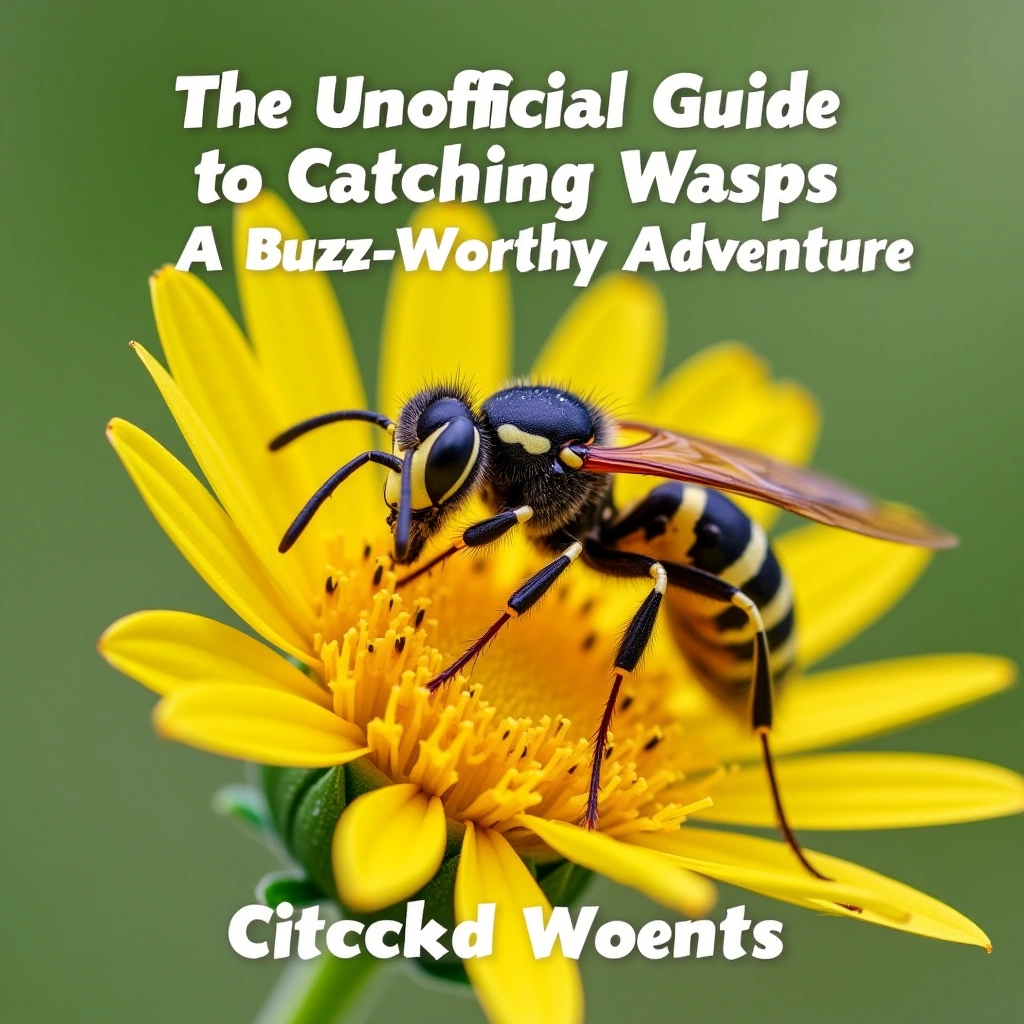
So, you’ve decided to embark on the thrilling quest of catching wasps? Welcome to the club, my daring friend! This isn’t your average butterfly-catching endeavor. We’re talking about the fierce, buzzing gladiators of the insect world. So, strap on your proverbial armor and let’s dive into the art of wasp-catching!
Why Would Anyone Want to Catch Wasps?
First off, let’s address the elephant in the room (or should I say, the wasp in the garden?). You might be wondering, ‘Why on earth would I want to catch a wasp?’ Well, catch them for science, for pest control, or just to impress your friends with your daring antics at the next barbecue. Nothing says ‘party animal’ like a wasp-catching tale!
Choosing Your Wasp-Catching Equipment
Now, before you go running outside with a net like you’re auditioning for a nature documentary, let’s talk gear. You’ll need a few essentials:
- Unless you want to become the latest victim of a wasp sting, gear up! A long-sleeve shirt, pants, and gloves are a must. Bonus points if you look like a beekeeper—you’ll scare the wasps into submission!
- You’ll need something to catch them in. A clear jar works best; it’s like a luxury penthouse for your new buzzing friend.
- Wasps have a sweet tooth. So, grab some sugar water or fruit. After all, who doesn’t love a good snack?
Timing is Everything
Wasps are most active during the warm months, particularly in late summer. This is when they’re buzzing around looking for food (and trouble). If you’re going to catch them, early morning or late afternoon is your best bet. Think of it as their happy hour, and you’re the bartender!
Setting the Trap
Now here’s where the magic happens. Set your bait in the jar and place it in an area where you’ve seen wasps hanging out. You can even create a DIY trap using a bottle. Just cut the top off a plastic bottle, invert it, and tape it back together. Voilà! You now have a Wasp Hotel, and they didn’t even need to check in!
The Chase!
Once the wasps start flocking to your trap, it’s time to put your catching skills to the test. Approach with caution because these little guys have a knack for sensing danger. If you’re feeling brave, you can try to catch them with your jar. Just remember, they’re not fans of being captured, and they’ll make their displeasure known!
What to Do With Your Captured Wasps?
Congratulations, you’ve caught a wasp! Now what? You can observe them (from a safe distance, of course), or if you’re feeling particularly benevolent, you can release them. After all, they have a role in our ecosystem—think of them as the misunderstood villains of the insect kingdom!
Safety First!
Let’s be honest. Catching wasps can be risky business. If you’re allergic, it’s best to admire them from afar or call in a professional. Nobody wants to end up in the ER with a face that resembles a balloon after a wasp sting!
Conclusion: The Buzz Around Wasp-Catching
Catching wasps isn’t for the faint of heart, but it can be an exhilarating challenge. Whether you’re doing it for science, pest control, or just to brag to your friends, remember to have fun and stay safe. And who knows? You might just become the next Wasp Whisperer!