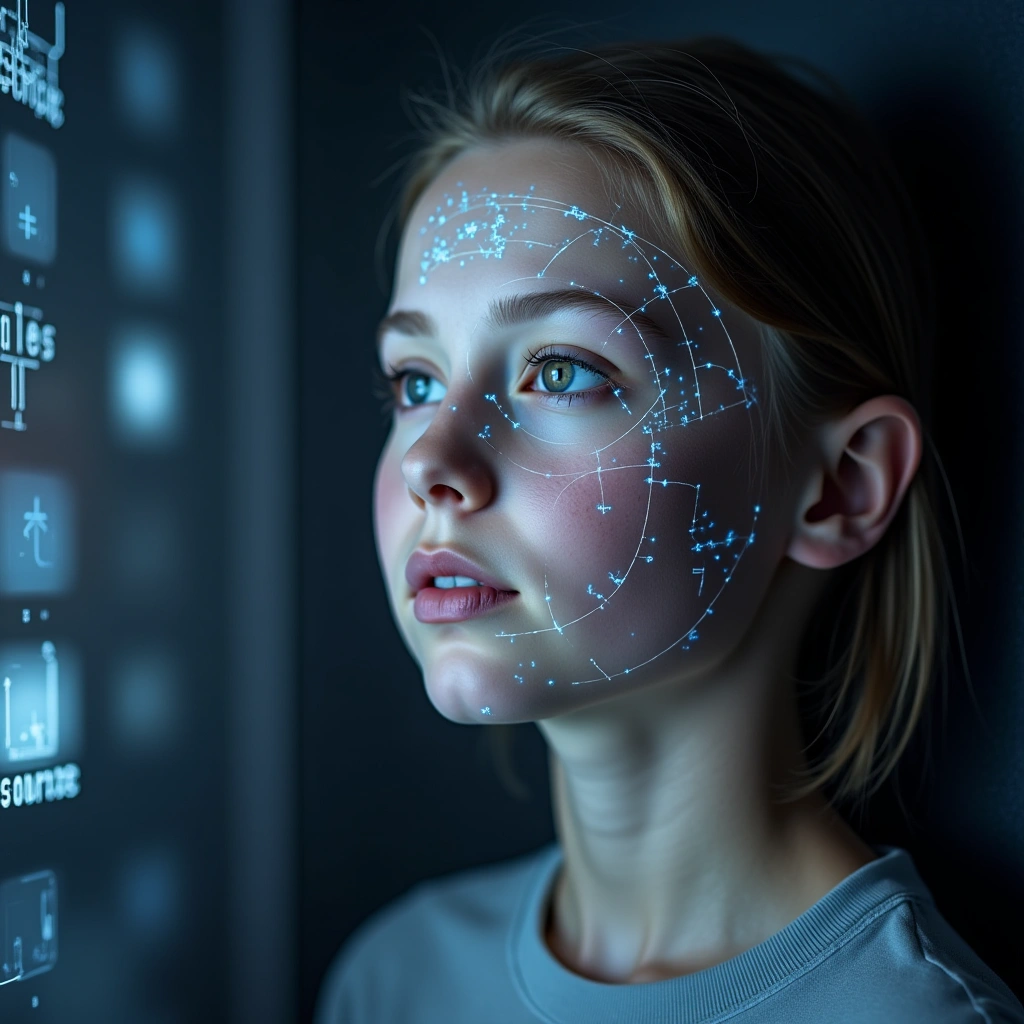
Hey there, friend! Grab your favorite snack because we’re diving into the wild world of artificial intelligence, facial recognition, and the not-so-innocent game of identifying underage users on platforms like Facebook and Instagram. Yes, you heard that right! Meta, the tech giant formerly known as Facebook, is using AI facial analysis to keep those pesky underage users at bay. But is this a smart move for safety or just a high-tech invasion of privacy? Let’s chew on that!
First off, let’s applaud Meta for trying to tackle the issue of underage users. It’s like trying to keep kids out of a candy store, but instead of a stern “no,” we have fancy algorithms that analyze your face and somehow determine if you’ve hit the ripe age of 13. Is this the digital equivalent of asking for ID at a bar? Maybe! But what if your facial recognition software mistakes a 12-year-old for a 30-year-old? Yikes! Imagine the chaos!
Now, you might be wondering, “How does this AI magic work?” Well, it’s all about analyzing facial features and comparing them to a database of age-related data. It’s like a birthday cake that’s been overcooked, and now it’s just guessing ages based on how many candles it can count. Sure, it sounds cool, but let’s face it, a computer looking at our faces and making judgments feels a little dystopian, right? It’s like something straight out of a sci-fi movie where the robots take over.
But here’s where it gets even more interesting! This move hasn’t gone without controversy. Privacy advocates are raising eyebrows (and other facial features) at Meta’s latest endeavor. They argue that this kind of surveillance could lead to a slippery slope of constant monitoring. Imagine a world where every time you log onto social media, an algorithm is trying to figure out if you’re old enough to be there. It’s like living in a reality show, but instead of winning a million dollars, you just get to scroll through cat memes.
Of course, Meta insists this is all about safety. They claim they want to create a safer online environment for everyone, especially the kiddos. They’re trying to prevent the online predators from sliding into DMs that they shouldn’t be. Kudos for that, right? But is facial recognition really the best tool for the job? Or are we just trading one set of problems for another? It’s like swapping a broken leg for a sprained ankle — sure, it’s better, but you’re still limping!
And let’s not forget about the implications for users who might just want to keep their online lives private. For every teenager caught trying to sneak into Instagram, there’s an adult who just wants to share their avocado toast without being analyzed by a digital bouncer. It’s a classic case of the needs of the many versus the needs of the few. But who’s really in charge of that balance? Spoiler alert: it’s probably not you or me.
In conclusion, while Meta’s use of AI facial analysis to identify underage users could offer some level of protection, it also raises serious questions about privacy, accuracy, and the overall direction of our digital lives. We’re left pondering whether this is a necessary step toward a safer online community or just a high-tech tool for Big Brother to keep tabs on us. So, what do you think? Is this a noble cause or just a recipe for a privacy nightmare? Let’s chat in the comments while we still have the chance!