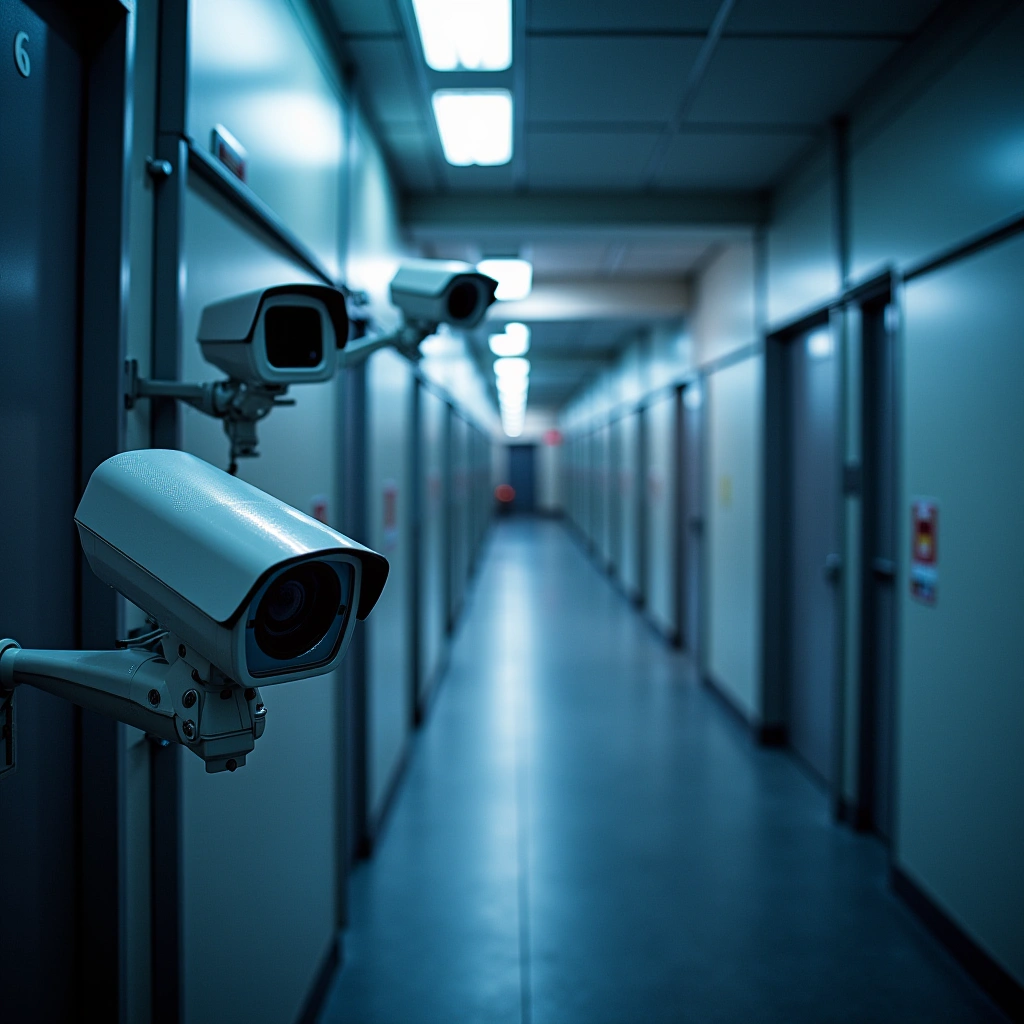
Hey there, fellow netizens! Grab your tinfoil hats and buckle up, because we’re diving deep into the wild world of surveillance technology. Recently, Flock cameras have been popping up in neighborhoods like popcorn in a microwave, and they’re not just watching the squirrels steal birdseed. Oh no, these bad boys are connecting to Palantir data centers, and it’s time we had a chat about what that means for your privacy and the police forces in your town.
First off, let’s talk about Flock cameras. If you haven’t heard of them, they’re like the nosy neighbor who always peeks through the curtains. They’re equipped with license plate and facial recognition technology, meaning they essentially have a photographic memory—one that’s ready to rat you out to the authorities whenever you stroll by. Ever felt like someone was watching you? Well, in this case, they definitely are.
Now, you might be thinking, “What’s the big deal? It’s for our safety!” And yes, there’s the argument that these cameras can help catch criminals and keep our streets safe. But let’s pause for a second and consider the flip side. With every person flagged and logged into a database, from that guy in the Hawaiian shirt to your grandma taking her evening stroll, we’re looking at a society where privacy takes a backseat. And no one likes sitting in the back of the bus, especially when it’s cramped and smells like old gym socks.
Enter Palantir, the tech company that has been likened to the secret lair of a Bond villain. They’re known for analyzing vast amounts of data, and with Flock cameras feeding them information, it’s like giving them a buffet of personal details. Think about it: every time you drive to the grocery store or wander around the local park, there’s a chance that some algorithm is munching on your data while plotting its next move. It’s a little unsettling, and it makes you wonder if we’re on the brink of a tech dystopia.
But hey, let’s not get too dramatic, right? After all, you’ve got nothing to hide… or do you? The truth is, we’re all a little more interesting than we think, and when you start logging everyone’s data, it can lead to some serious ethical dilemmas. Imagine a world where your every move is tracked, and you’re flagged for suspicious behavior just because you stopped to tie your shoelace. Talk about a slippery slope!
So, what’s the takeaway here, folks? It’s essential to stay informed and question the implications of these technologies. Sure, they can be helpful, but we need to find a balance between safety and privacy. Maybe we should start a neighborhood watch—one that involves actual neighbors and not just a bunch of cameras staring at us like we’re the latest episode of a reality show.
In conclusion, let’s keep a close eye on these developments. After all, we don’t want to live in a world where every trip to the corner store feels like a scene from a sci-fi thriller. Stay vigilant, stay informed, and remember: the only thing that should be keeping tabs on you is your mom asking if you’ve eaten today. Until next time!