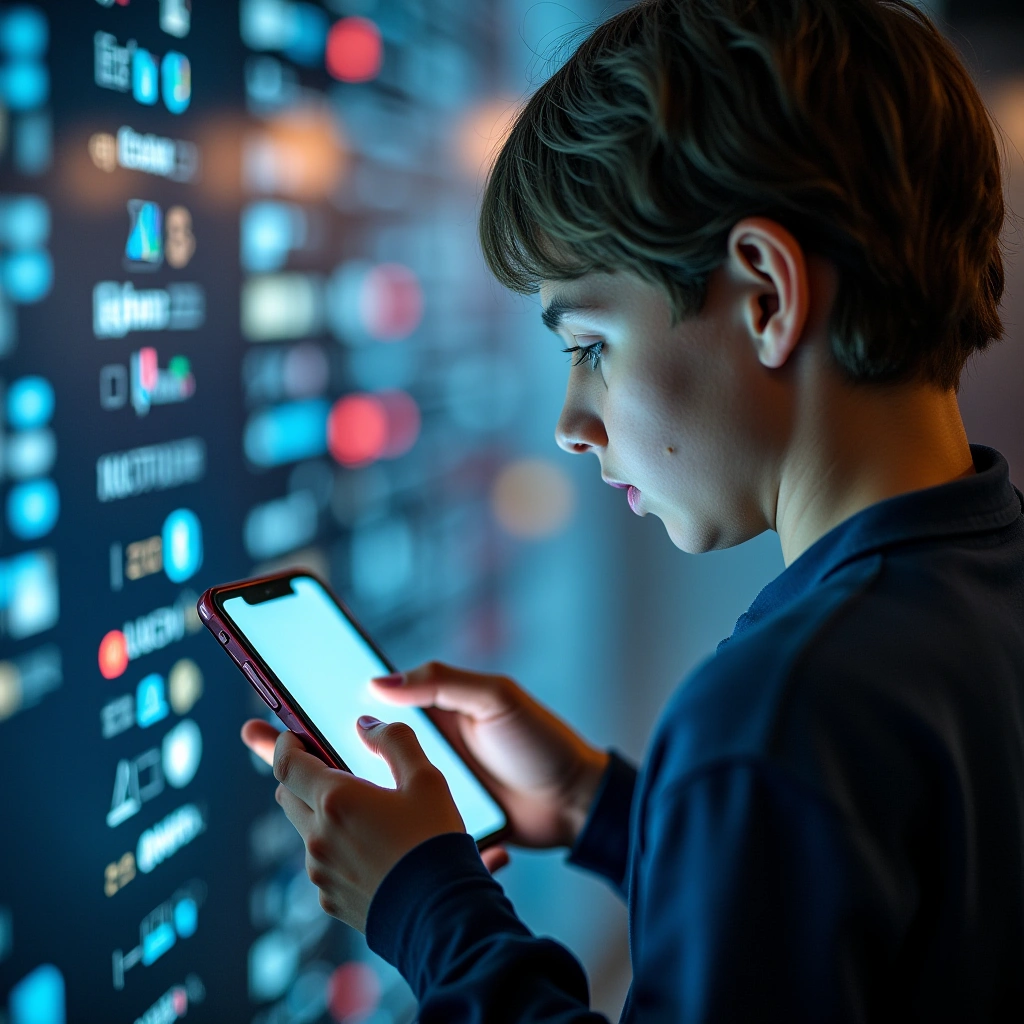
Hey there, Internet wanderers! So, grab your favorite caffeinated beverage and let’s dive into a topic that’s hotter than a jalapeño in a sauna: the proposed ban on social media and AI for teenagers. Yes, you heard that right! Some professors from McGill University are waving their scholarly wands and suggesting that we should just throw the digital baby out with the bathwater. But is that really the solution? Spoiler alert: It’s not.
First off, let’s address the elephant in the room—social media isn’t just some digital playground where teens are mindlessly scrolling through memes of cats in sunglasses. It’s a platform for expression, creativity, and yes, sometimes, a little bit of chaos! But isn’t that what being a teenager is all about? If we ban social media, what’s next? Are we going to ban roller coasters because they’re scary? Or how about banning ice cream because it can give you a brain freeze? Come on, people!
Now, before you throw your phone out of the window in protest, consider this: social media teaches valuable life lessons. Sure, it might not be on the syllabus, but navigating online interactions helps teens build social skills. Think of it as a digital version of the school cafeteria, where they learn to deal with everything from bullies to potential BFFs. Isn’t it better for them to learn how to handle these situations online, rather than in the real world where the stakes are higher? I mean, nobody wants their kid to try and navigate a real-life social situation like it’s a high-stakes game of Jenga!
And let’s not forget about AI! Banning AI is like saying, “Hey, let’s not teach kids how to drive because they might crash!” Instead of banning these tools, why not teach them how to use them responsibly? Imagine a world where our teenagers are not just consumers of technology but also innovators! They could be the next Steve Jobs or, at the very least, the next person who makes a really cool TikTok dance. The possibilities are endless!
Moreover, the argument that social media and AI are detrimental to mental health is valid, but let’s face it—banishing them won’t magically make mental health issues disappear. It’s like trying to treat a cold by refusing to acknowledge that winter exists. We need to equip our teens with the skills to cope with the digital world, not isolate them from it. A bit of guidance can go a long way. Maybe a little class on “How to Not Take Social Media Too Seriously” or “Understanding AI Without Losing Your Mind”? Sounds like a plan!
In short, the push to ban social media and AI for teens might come from a place of concern, but it’s about as effective as using a Band-Aid to fix a broken leg. Instead of slapping on a ban, let’s focus on education, awareness, and moderation. After all, we want the next generation to be savvy enough to navigate the digital jungle and come out unscathed, right? So, let’s embrace the chaos and teach our teens to dance with it instead of running away!
In conclusion, the professors at McGill might mean well, but banning social media and AI for teens is like trying to put toothpaste back in the tube—impossible and messy! So let’s raise our glasses (or mugs) to a world where we empower our teenagers to thrive in the digital age, rather than coddling them like fragile little snowflakes. Cheers to that!