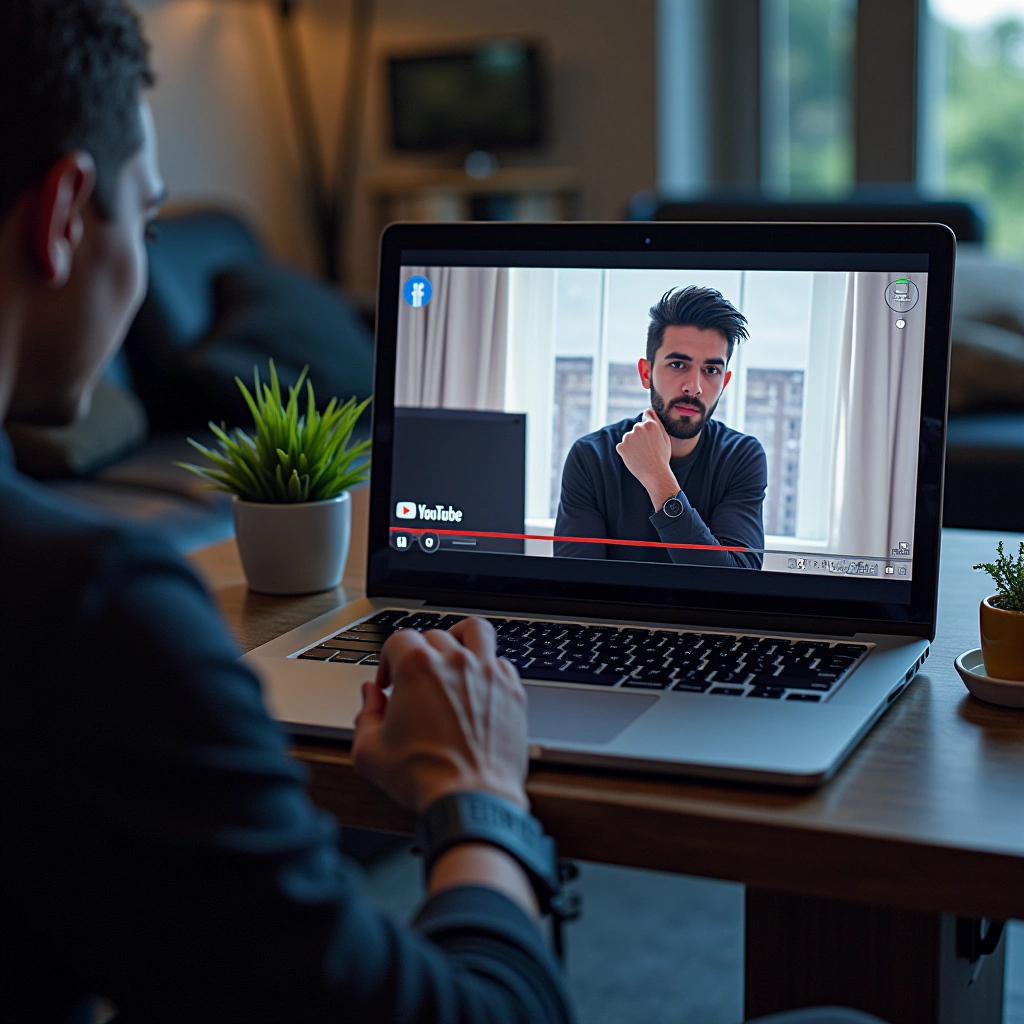
So, YouTube has officially thrown its hat into the ring of deepfake detection, and let me tell you, Hollywood is buzzing like a beehive on a caffeine high. But before we dive into the sea of pixels and algorithms, let’s take a moment to appreciate the sheer absurdity of the situation. Remember when the biggest threat to movies was a rude person in a theater? Now we’ve got AI that can make Tom Hanks look like a singing potato!
With YouTube opening up its AI deepfake detection tool to the glitz and glamour of Tinseltown, we can’t help but wonder: is this a gift from tech gods or a Pandora’s box waiting to unleash chaos? On one hand, this tool could save the industry from the nightmare of unauthorized celebrity impersonations. On the other, it’s like giving a toddler a sword—sure, it’s cool, but someone’s probably going to get hurt.
Let’s face it: the entertainment industry has been grappling with the rise of deepfakes for a while now. From faux celebrity scandals to fake movie trailers that make you question if you should really be watching trailers at 2 AM, the stakes are high. YouTube’s tool aims to provide a safety net, helping studios ensure that when they say “we’ve got Tom Cruise in our movie,” they’re not talking about some CGI monstrosity crafted by a basement-dwelling wizard.
But here’s where it gets juicy. With the power of AI comes the responsibility of wielding it wisely. There are whispers (and probably some very loud shouting) about who gets to decide what is and isn’t a deepfake. Is it the studios? The actors? The AI algorithm itself? Imagine a world where your favorite actor’s likeness is used in a film without their consent. Yikes! I mean, I can barely handle my own bad hair days; I don’t need a computer algorithm making it worse!
Now, let’s talk about the elephant in the room—or should I say the deepfake in the room? As much as this tool is designed to protect the integrity of Hollywood, you have to wonder: how long until someone finds a way to use it to their advantage? Hollywood loves a good scandal, and if there’s one thing we know, it’s that where there’s a will, there’s a way. Just imagine a disgruntled actor using the tool to create a fake video that shows their rival doing something outrageous. Now that’s some juicy gossip worthy of a tabloid cover!
In conclusion, YouTube’s AI deepfake detection tool is like that shiny new gadget you just bought. It’s exciting, it has the potential to make your life easier, but it also requires a little bit of caution and common sense. Will it help Hollywood navigate the treacherous waters of deepfakes? Sure, but it could also open up a whole new realm of chaos. So, grab your popcorn, folks; this is going to be one wild ride!