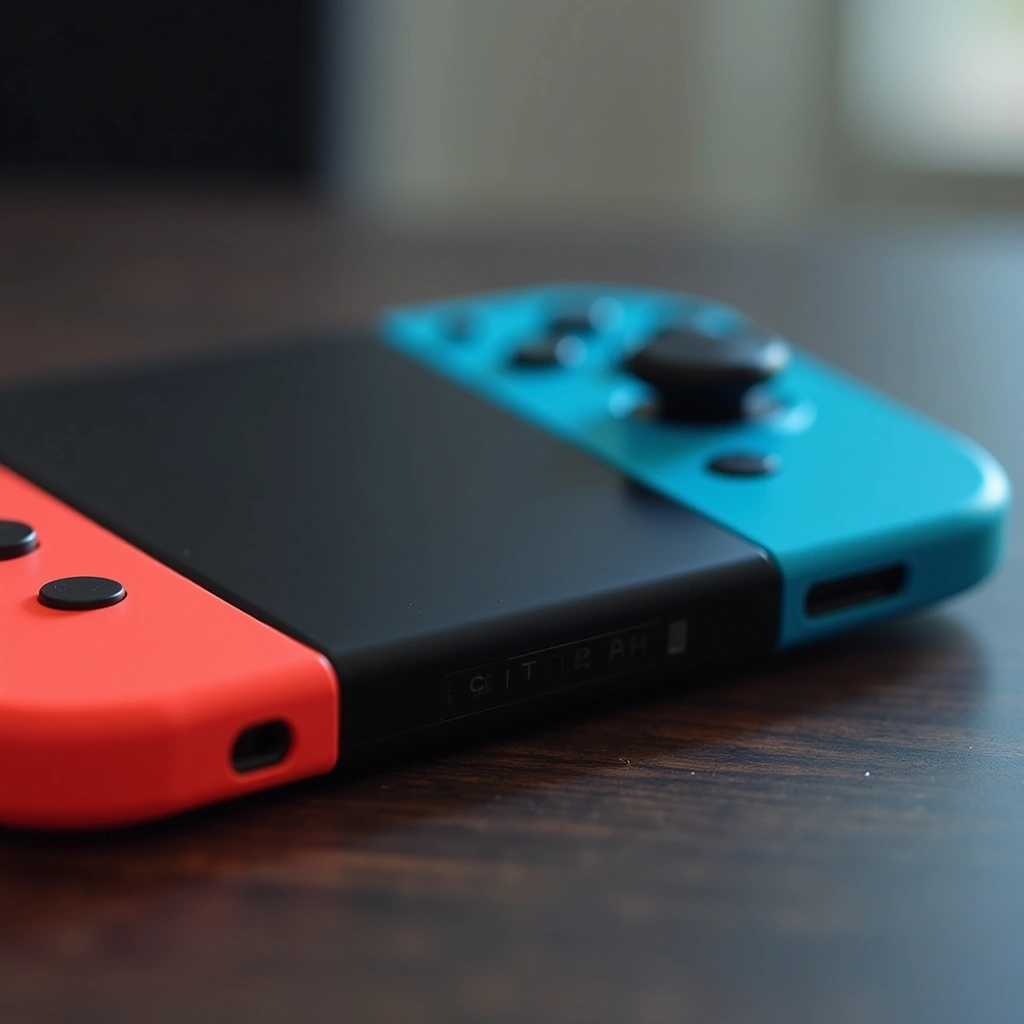
Hello fellow gamers and tech enthusiasts! Gather ’round because today we’re diving into a topic that might just rattle your gaming foundations. If you’ve ever looked at your trusty decade-old Nintendo Switch and thought, ‘Why the heck can’t it run more PC games?’, you’re not alone. But let’s not get ahead of ourselves; we need to dissect the very idea of what makes a handheld console tick—and whether it actually needs to be x86 architecture to do so.
Related reading: Original source
First off, let’s give a round of applause to the Nintendo Switch. Released back when TikTok was just a sound your clock made, this little hybrid has managed to keep itself relevant while other consoles have come and gone like last season’s fashion trends. And despite its aging hardware, it’s still capable of handling a variety of PC games thanks to some clever optimization. So, what does this mean for the future of handheld games?
Well, for starters, we need to rethink the whole x86 architecture obsession. Sure, having a powerful x86 processor sounds great on paper, like the steak dinner you dream of while eating instant noodles. But in reality, there are other architectures out there that can do the job just as well—if not better. ARM processors, for instance, have been gaining traction and are more energy-efficient. They could provide a solid gaming experience without draining your battery faster than your friend’s excuses for not bringing the snacks.
Let’s break it down: The Switch runs on a custom NVIDIA Tegra X1 chip that’s ARM-based. This means it harnesses the power of efficiency while still packing a punch. If Nintendo can get a decade-old device to play games like The Witcher 3 and DOOM Eternal, what’s stopping other manufacturers from following suit? It’s like watching someone pull off a sweet magic trick—once you see it done, you start wondering why you didn’t think of that yourself!
Moreover, the software ecosystem plays a crucial role in this discussion. The Switch thrives on its exclusive titles and a solid library of indie games. The truth is, you don’t need an x86 powerhouse to deliver a compelling gaming experience. Think about it—back in the day, we were playing games on systems that barely had enough RAM to run a basic web browser. Yet, creativity and innovation flourished. If we shift our focus from raw processing power to optimizing software, we could be looking at a whole new era of handheld gaming.
Now, before you start throwing virtual tomatoes at me, let’s address the elephant in the room: the gaming purists who swear by x86 like it’s the holy grail of gaming. Sure, having a beefy processor can lead to smoother graphics and richer experiences, but let’s not forget about the essence of gaming. Sometimes, it’s about the fun factor, not the frame rate. Remember when we all survived on 8-bit graphics and still had a blast? That’s right—nostalgia is a powerful thing.
In conclusion, as we look toward the future of handheld consoles, let’s keep our minds open. The success of devices like the Nintendo Switch proves that it’s entirely possible to deliver an engaging gaming experience without being bound to x86 architecture. So, the next time you’re pondering what your next handheld should be, take a moment to appreciate that it doesn’t necessarily need to conform to the traditional specs. After all, innovation comes from thinking outside the box—or in this case, outside the x86!
Now, who’s up for a game of Mario Kart on that decade-old Switch?
Inspired by: “If a decade-old Nintendo Switch can run PC games, your next handheld doesn’t need to be x86” (r/technology)