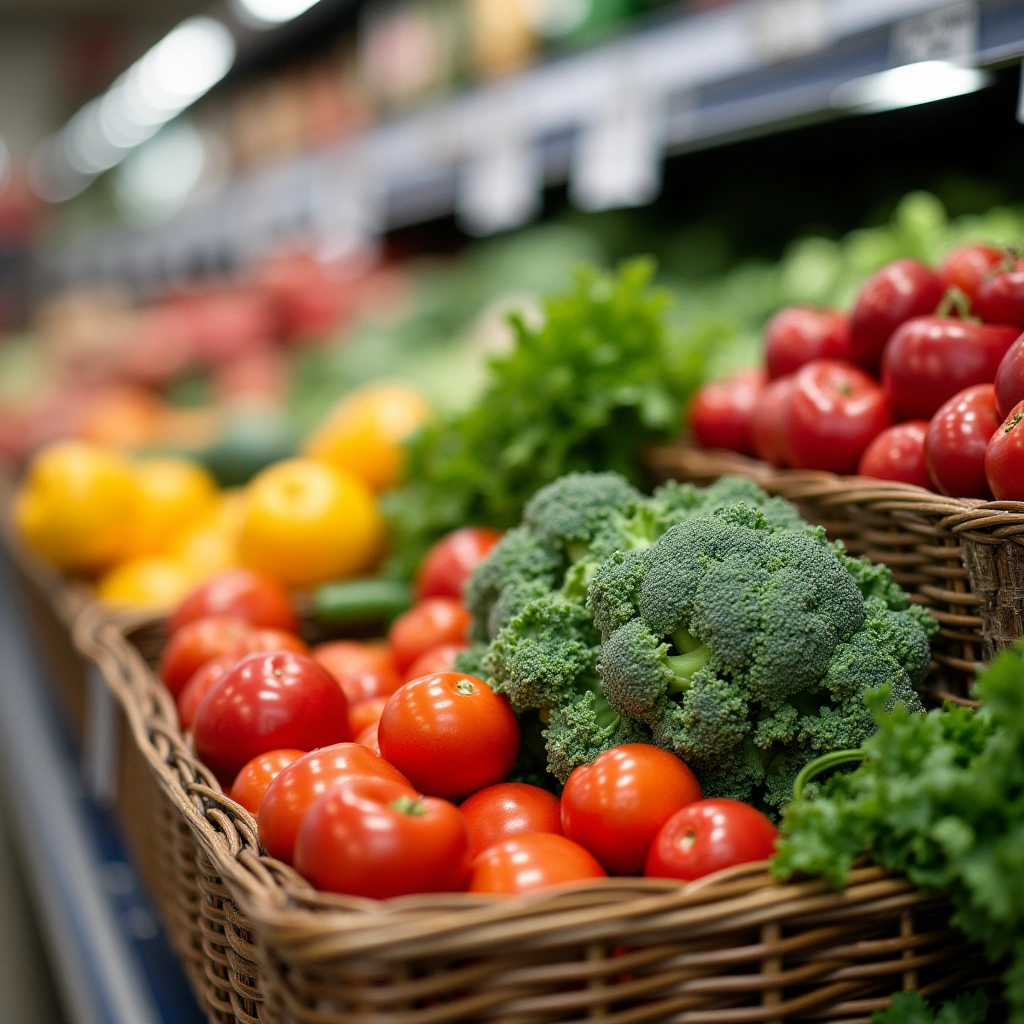
We’ve seen some of the biggest price increases in items like coffee, lettuce, beef, candy and canned fruit. These items are more affected by factors like weather, supply shortages and higher production costs.
Hey there, fellow food enthusiasts! Grab a snack (but maybe not too much—prices are rising, remember?) because we need to talk about something that’s hotter than your grandma’s chili: world food prices. According to the United Nations’ Food and Agriculture Organization (FAO), these prices have reached their highest levels in nearly four years as of September. Yes, you read that right. It’s like the food prices decided to throw a party, and everyone’s invited—except your wallet.
So, what’s causing this culinary calamity? Well, it seems we have a delightful mix of logistics disruptions and weather concerns that are stirring the pot. A looming El Niño weather pattern is causing quite the stir, particularly pushing international sugar prices to an 18-month high. If you thought your sweet tooth was safe, think again!
And if that wasn’t enough to make you weep into your cornflakes, there’s also the whole war-related collapse in Black Sea trade that’s sent wheat futures skyrocketing to a three-year peak. Just when we thought we could enjoy our morning toast without worry, life throws us a curveball. Can someone please send the FAO a fruit basket to cheer them up? They could use it.
The FAO Food Price Index, which is basically the scoreboard for food prices, averaged 136.0 points in September, up from 134.0 in August. That’s the highest it’s been since November 2022. And while we’re watching cereal, sugar, and vegetable oil prices climb higher than your neighbor’s Christmas lights, meat and dairy prices are taking a little nap. Talk about a mixed bag!
Maximo Torero, the FAO Chief Economist (who surely has a tough job these days), says we’re seeing a persistent buildup in global commodity prices. It’s like the food market is having a bad hair day, and all the bad weather and trade disruptions are making it worse. If this keeps up, it’s not just the farmers and producers who will feel the pinch; consumers like you and me will soon see our grocery bills creeping up. Thanks a lot, global economy!
Now, let’s talk numbers for a second. The FAO has kept its forecast for global cereal production in 2026 at a hefty 2.979 billion metric tons. That sounds impressive, right? Well, it’s still 2.1% below last year’s peak, but it’s the second-largest harvest on record. So, there’s that silver lining.
However, they’ve also cut their forecast for world cereal trade in 2026/27 by 0.7%. Why, you ask? Lower wheat and maize export expectations, largely due to those pesky Black Sea shipping route constraints. It’s like trying to get through rush hour traffic, but instead of cars, it’s grain that’s stuck. Talk about a grain jam!
So, what does all this mean for you? Well, if you thought your grocery bill was high before, just wait until the effects of these rising prices trickle down to your shopping cart. You might need to start budgeting like you’re preparing for a zombie apocalypse—stocking up on canned goods and maybe even learning how to grow your own vegetables. Who knew gardening would become a trendy skill again?
In conclusion, it looks like we might be in for a bumpy ride when it comes to food prices. So, next time you bite into that delicious sandwich, just remember: you’re not just tasting the flavors; you’re also hopefully not tasting the impact of global market fluctuations. Happy eating, and good luck out there!
Inspired by: “World food prices near four-year high in September, UN says” (r/News)