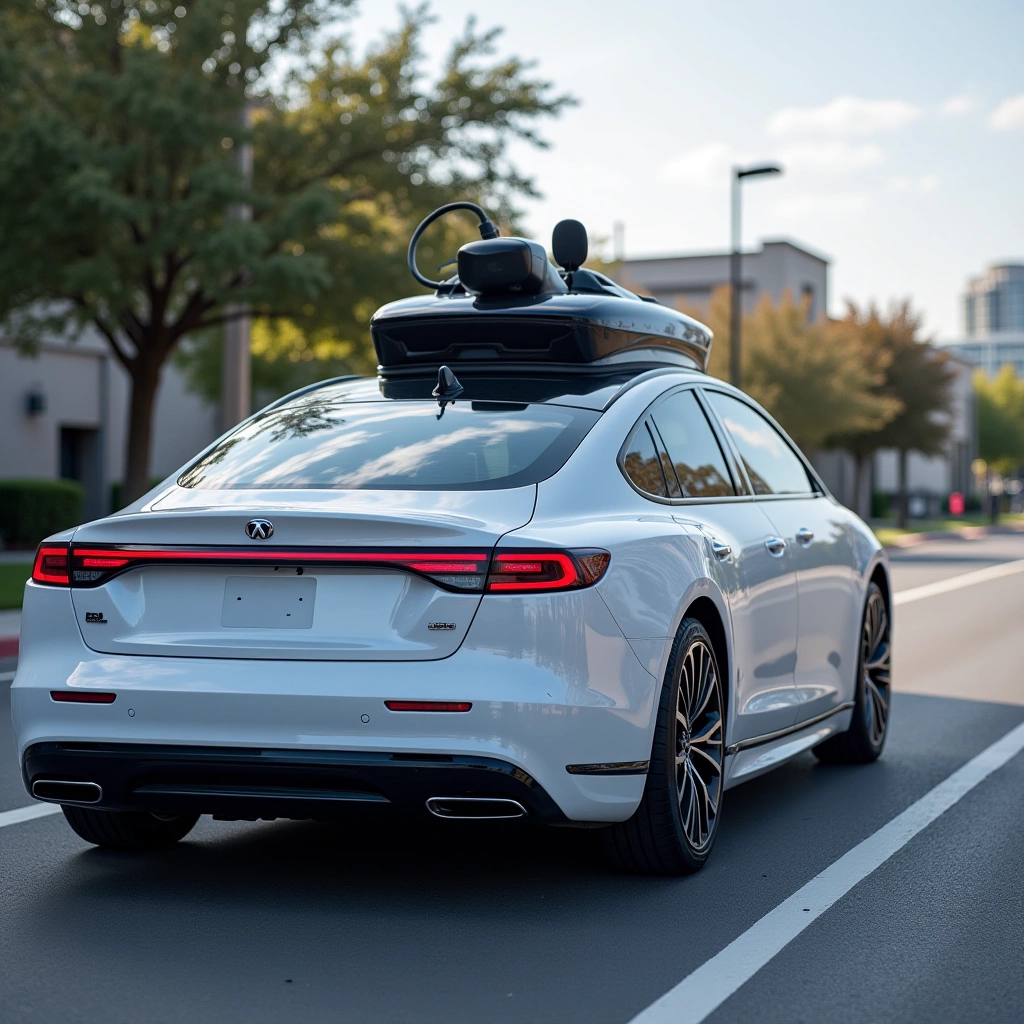
So, let’s talk about self-driving cars, shall we? You’ve probably seen them cruising around, looking all futuristic and stuff, and maybe thought, ‘Wow, I wish my car could drive itself to the store while I binge-watch my favorite show.’ Well, you might just be in luck! According to a recent report, Waymo’s driverless cars are crashing way less often than your average human driver. Yes, you heard that right—robots are doing a better job than us, and it’s time we face the music.
Waymo’s data is derived from crashes reported under NHTSA’s Standing General Order (SGO) and uses the same criteria as described in Kusano et al. (2024) and Kusano et al. (2025). We are intentionally using publicly available data to allow other researchers to replicate the results. To link the data shown on this dashboard to NHTSA’s published SGO data, researchers can download a list of SGO report IDs and boolean membership in each outcome group in the download section below. Comparisons of crash rates for the outcomes listed below and additional outcomes described in the release notes are a
Now, before you start imagining a world where all our cars are driven by robots and we’re left with nothing to do but argue about which AI is the best (spoiler: it’s definitely not the one that keeps suggesting cat videos), let’s dive into the details of this report.
The Numbers Don’t Lie
According to the report, Waymo’s autonomous vehicles have a significantly lower accident rate compared to human drivers. In fact, Waymo cars have reported fewer collisions per mile driven than the average human. Now, I know what you’re thinking: ‘That’s great, but what about all the times my buddy crashed his car while trying to impress a date?’ Well, let’s just say that human error is a big deal—think texting, drinking, or just plain bad decisions. Robots, on the other hand, don’t get distracted by their phones or decide to take a detour for ice cream.
How Do They Do It?
You might be wondering how Waymo’s self-driving technology manages to avoid accidents while humans are out here making questionable life choices. The secret lies in a combination of advanced sensors, machine learning, and good old-fashioned programming. These cars are equipped with cameras, radar, and LIDAR systems that allow them to detect their surroundings and make decisions in real-time. It’s like having a super-sensible friend who always knows when to stop at a red light and never gets into a shouting match with other drivers.
What About the Scary Stories?
Now, I know what you’re thinking: ‘But what about those stories we hear about self-driving cars crashing?’ Yes, there have been incidents. However, many of these accidents involved human drivers hitting the self-driving cars, which raises the question: who’s really at fault here? It’s like blaming the pedestrian for getting hit by a car while they were crossing the street.
The Future is Bright (and Safe)
As technology continues to improve, the goal is to make these vehicles even safer. Waymo is constantly updating its software to learn from every driving scenario, which means that every time a driverless car hits the road, it’s getting smarter. It’s like watching a toddler grow up—except this toddler can drive, and you don’t have to worry about it coloring on the walls.
Conclusion
So, what does this mean for us? While we may not be ready to hand over the keys just yet, the progress made by companies like Waymo is certainly a step in the right direction. If you’ve ever been stuck behind someone who’s clearly never taken a driving lesson, you’ll understand why the idea of a driverless car sounds appealing. Waymo’s vehicles are proving that sometimes, it’s better to let the robots take over. Just remember to keep your snacks close; you might not have to drive anymore, but you’ll still need to fuel up for your binge-watching sessions!
Inspired by: “Waymo’s driverless cars crash way less often than humans: report” (r/technology)