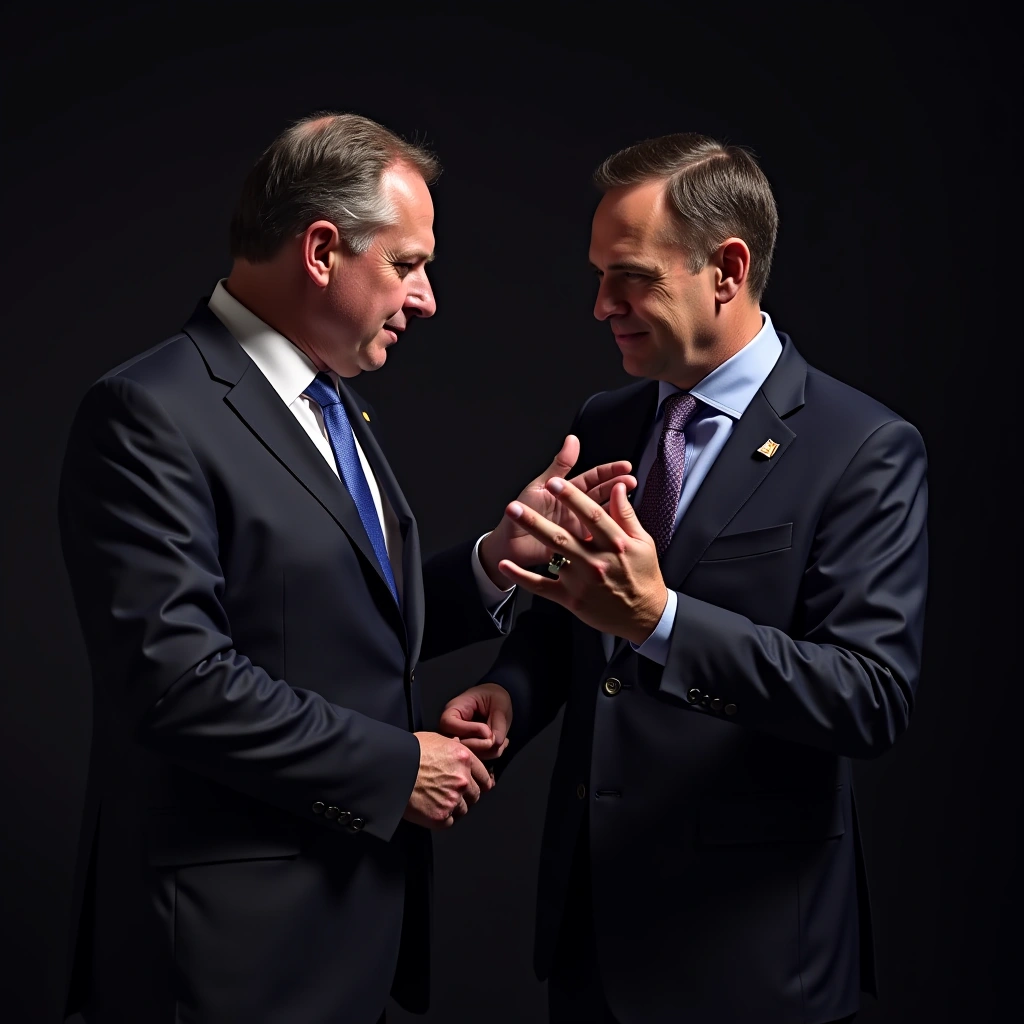
So, the U.S. Senate has decided to put the kibosh on its members playing around in prediction markets. You know, those cheeky little platforms where you can wager on the outcomes of everything from political elections to the next season of your favorite show. And here I was, thinking that Senators were the ultimate risk-takers!
But let’s be real, allowing Senators to trade in these markets is like giving a toddler a box of fireworks and saying, ‘Just be careful, okay?’ It sounds fun until someone loses an eye—or in this case, the integrity of our political system.
Prediction markets operate on the premise that the collective wisdom of the crowd is often more accurate than any single expert. It’s like a group of friends trying to guess how many jellybeans are in a jar. Spoiler alert: no one ever really knows, but the speculation is half the fun! Now, imagine if your friends also had the power to influence the jar’s contents. Cue the chaos!
When Senators participate in these markets, it raises a lot of eyebrows (and not just because they’re making questionable fashion choices). The concern is that they might use insider information to place bets that could significantly impact their financial standing and, let’s not forget, the public trust.
Picture this: a Senator gets a hot tip about a new piece of legislation that’s about to pass. They jump into the prediction market, place their bets, and boom! They just made a small fortune while the rest of us are left wondering why our coffee prices just shot up. It’s like watching a magician pull a rabbit out of a hat while the audience is still figuring out how the trick works.
Now, some might argue that banning Senators from prediction markets could stifle their engagement with the public sentiment. After all, isn’t it their job to know what the people are thinking? But let’s be honest, they get enough feedback during town halls and on Twitter. Do we really need them betting on our collective futures like they’re at the racetrack?
Let’s not forget about the irony here. Senators are already privy to a treasure trove of information that the average Joe wouldn’t dream of accessing. The last thing we need is for them to monetize that intel. It’s like letting a kid with a candy stash have free rein at a candy store. What could possibly go wrong?
In conclusion, while prediction markets can be an exciting way to gauge public sentiment, letting Senators dive into them might just be a recipe for disaster. So, they’re banned. And honestly, it’s probably for the best. Now, if only we could figure out how to stop them from trading on their own popularity…