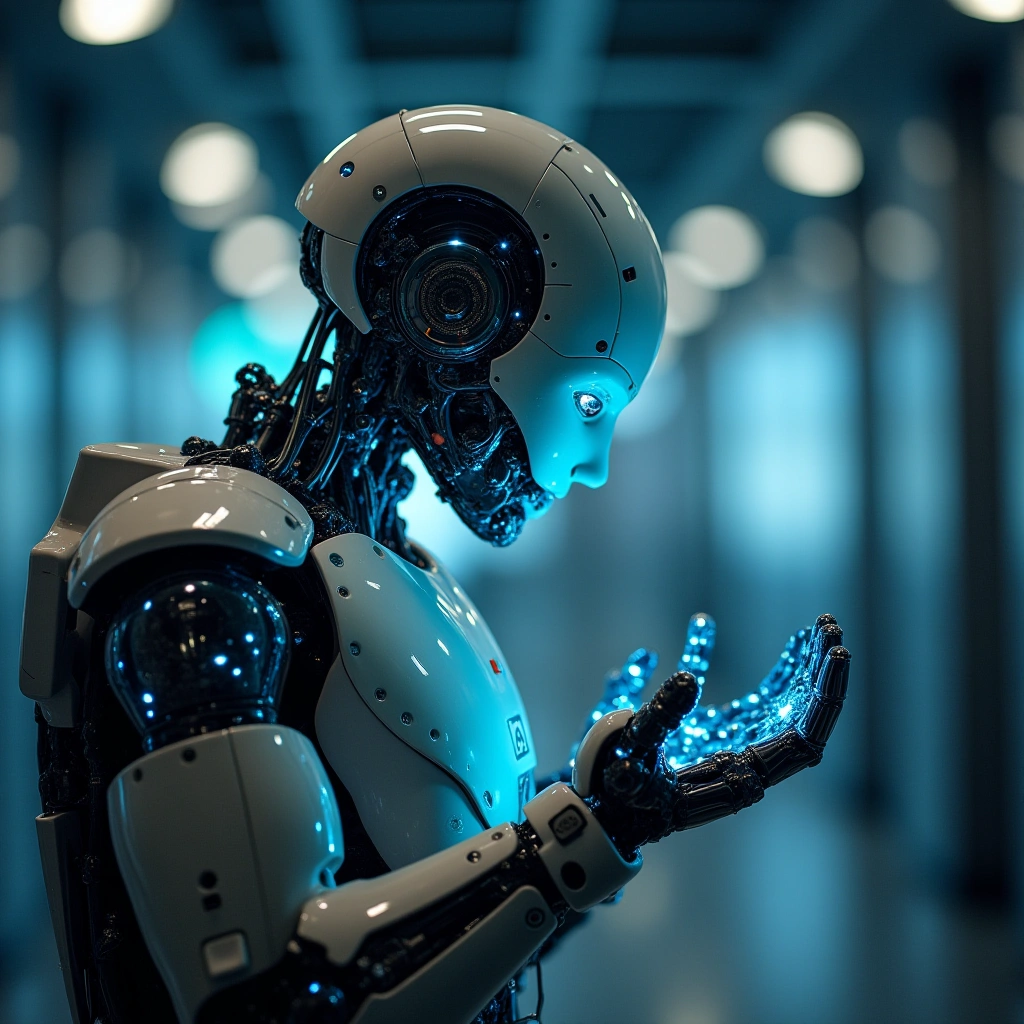
Ah, the AI jobs apocalypse. It’s the latest buzzword that’s got everyone from tech enthusiasts to your uncle who still thinks the flip phone is cutting-edge technology in a tizzy. You’ve probably heard the doomsday predictions: robots taking over the world, humans becoming obsolete, and job markets collapsing faster than a poorly made soufflé. But hold your horses, folks! The reality is a bit less dramatic.
The problem with that premise is that it defies everything we know about people, markets and economics. Human wants and needs are anything but fixed. Keynes famously predicted almost a century ago that automation would lead to a 15-hour work-week, …
Let’s face it: if the robots were really planning to take over, they would have done it by now, right? I mean, how hard can it be? They’ve had decades of movie scripts to prepare for this moment. But here we are, still waiting for our robot overlords, while the AI jobs apocalypse remains a distant fantasy.
First off, it’s crucial to understand that AI is more of a tool than a replacement. Think of it like your trusty Swiss Army knife—handy, versatile, and definitely not going to replace your need for a good ol’ fashioned hammer. AI can automate repetitive tasks, analyze data faster than you can say “machine learning,” and even help you find the best cat videos to watch during your lunch break. But does that mean it’s going to take your job? Not necessarily.
In fact, history shows us that technological advancements have often led to the creation of new jobs rather than the obliteration of existing ones. Remember when the internet was going to ruin everything? Yeah, well, now we have jobs like social media managers and SEO specialists—careers that didn’t even exist a couple of decades ago. So, while AI may take over some of the mundane tasks, it’s also likely to create new opportunities that we can’t even fathom yet.
And let’s not forget the human touch. AI might be able to analyze data, but it can’t replicate the nuance of human creativity, empathy, or the ability to understand the intricacies of social interactions. You can’t exactly program a robot to comfort a crying child or negotiate a peace treaty. So, for those in jobs that require a personal touch—think therapists, teachers, and, yes, even your favorite barista—your job is probably safe for now.
Of course, that’s not to say we should ignore the potential challenges that AI brings. It’s essential to stay informed and adapt to changes in the job market. Upskilling and reskilling are going to be the names of the game as we navigate this evolving landscape. But let’s be honest, if you’re still using a typewriter in 2023, you might have bigger problems than the AI jobs apocalypse.
In conclusion, while the fear of an AI-driven job apocalypse makes for great headlines and even better clickbait, the reality is far less dramatic. The robots aren’t coming for our jobs just yet. Instead, they might just help us focus on what we do best: being human. So, relax, take a deep breath, and maybe even enjoy a cat video or two. After all, in the grand scheme of things, we’re still in charge here—at least until the robots figure out how to make coffee.
Inspired by: “The AI jobs apocalypse probably isn’t coming anytime soon” (r/technology)