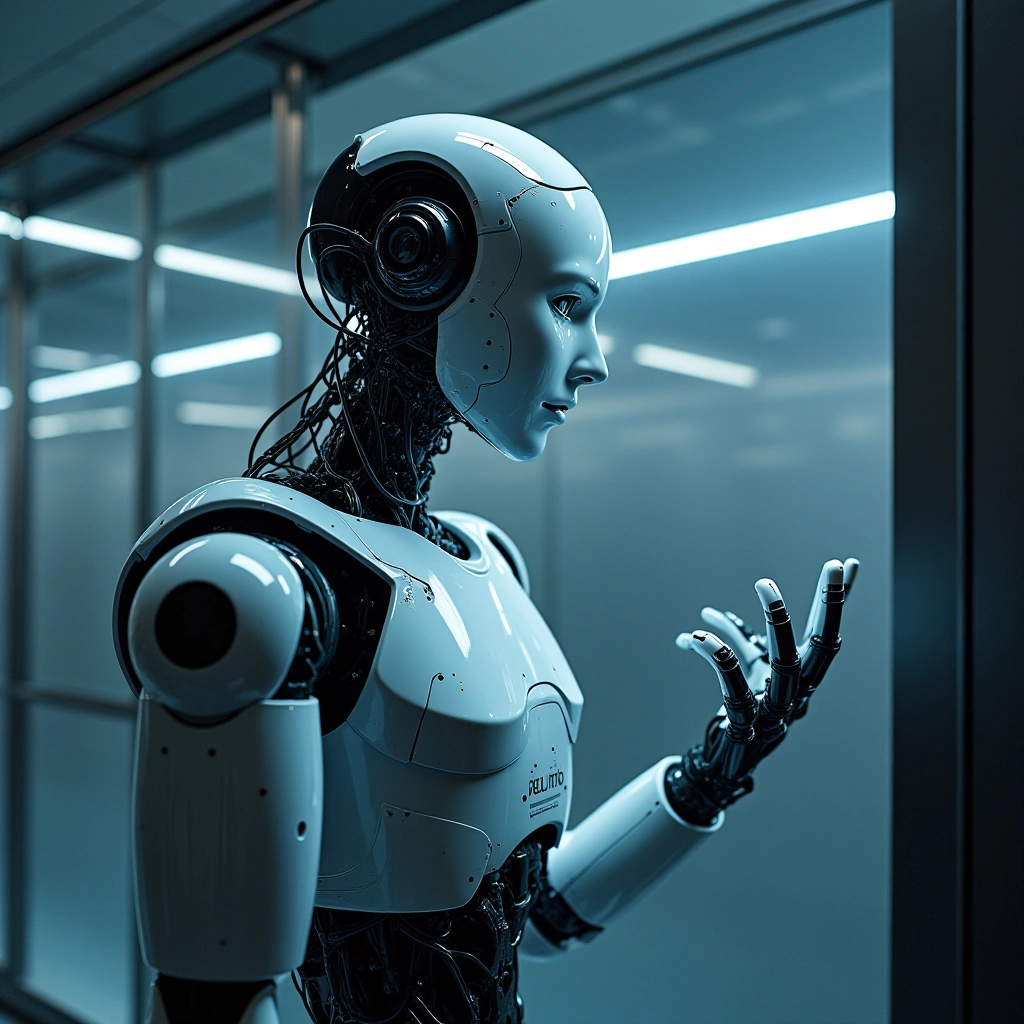
Ah, the AI job apocalypse. It sounds like the title of a bad sci-fi movie, doesn’t it? Picture it: robots scuttling around, stealing our jobs, and leaving us to fend for ourselves in a dystopian world where we’re all just a bunch of unemployed humans sitting around a campfire, reminiscing about the good old days of 9-to-5. But before you grab your pitchfork and head for Silicon Valley, let’s break down why this impending doom is probably not as dire as it sounds.
First off, let’s address the elephant in the room: humans are incredibly adaptable. Remember when we thought the internet would destroy our attention spans? Spoiler alert: we still read memes and scroll through cat videos like pros. When new technologies emerge, we often find ways to leverage them rather than just getting steamrolled into oblivion. So, when AI comes knocking, chances are we’ll just welcome it in for tea, charm it with our wit, and make it our assistant instead of our overlord.
Now, let’s talk about the jobs that AI is supposedly coming to take. Sure, some repetitive tasks might vanish faster than your motivation on a Monday morning, but that’s not the whole story. For every job AI might eliminate, new ones are created. Think about it: when was the last time you saw a job posting for a “typewriter technician”? Exactly. New innovations often give rise to entirely new fields. Ever heard of a “data wrangler”? Me neither, until recently. But guess what? They’re in high demand! And if AI takes over, we might just find ourselves in need of a whole new cadre of roles that we can’t even imagine today.
And let’s not forget the fact that humans have something that AI will never, ever have—our charming personalities (and let’s be honest, our ability to consume copious amounts of caffeine). Many jobs, especially in sectors like healthcare, education, and creative arts, rely heavily on emotional intelligence and human connection. I mean, can you imagine your robot doctor trying to console you after a bad diagnosis? “Error 404: Empathy Not Found”. Yeah, I’ll stick with my human doctor, thanks!
Plus, there’s a little thing called regulation. As much as tech companies would love to unleash AI like a kid in a candy store, governments are slowly waking up to the fact that they need to step in and create rules. This means that while AI might automate some tasks, it’ll also be kept in check to ensure that it doesn’t run amok like a puppy on a sugar high. So, while we’re at it, let’s not forget the human element in decision-making. Who knows, maybe robots will just end up being the world’s best assistants instead of our replacements.
And lastly, let’s face it—the fear of job loss is nothing new. Every technological revolution has been met with cries of doom. The invention of the wheel? “Goodbye, leg muscles!” The assembly line? “We’re all going to be out of work!” And yet, here we are, still employing people to count how many licks it takes to get to the center of a Tootsie Pop. So, let’s not panic just yet. Instead, let’s embrace the changes. After all, if the robots do come for our jobs, we can always start a new trend: robot petting zoos! Who wouldn’t want to make a living out of cuddling AI, right?
So, in conclusion, before you start stockpiling canned goods and learning how to hunt for squirrels, remember that the AI job apocalypse is likely just a figment of our overactive imaginations. Instead of fearing the future, let’s roll with it and see what new opportunities will arise. And who knows? Maybe one day, we’ll all be laughing over a drink with our AI overlords, reminiscing about the days we were worried about them taking our jobs. Cheers to that!