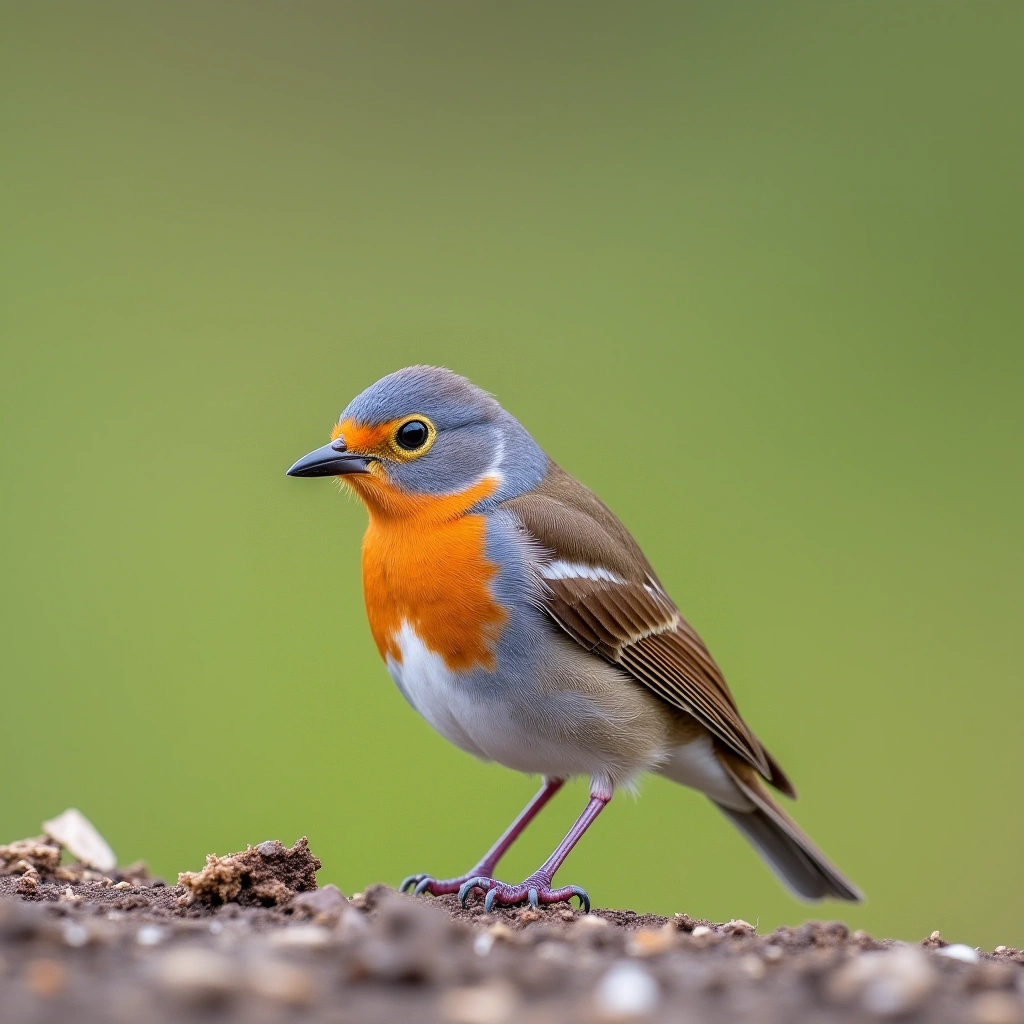
The web-based reporting of dead or sick birds allows for rapid reporting of dead bird sightings. Reports of dead birds are important as they will be used to detect trends, over time, to determine a normal baseline wildlife mortality figure .
Have you ever been out in the great outdoors, enjoying a lovely day, when you suddenly stumble upon a sick or dead bird? It’s not exactly the highlight of your hike, is it? But it’s not just a sad sight; it’s a call to action! Reporting these unfortunate avian (or any wildlife) incidents is crucial, and here’s why you should care.
First off, let’s talk about the wildlife health department. No, it’s not a thing, but wouldn’t it be great if it was? Imagine a team of dedicated wildlife doctors, lab coats and all, rushing off to help our feathered friends. Unfortunately, they can’t do that if they don’t know there’s a problem. That’s where you come in! Reporting sick or dead wildlife helps specialists identify potential disease outbreaks that could affect not only animals but also humans. Spoiler alert: nobody wants a wildlife pandemic on their hands.
Okay, but how do you report such sightings? It’s as easy as pie! You can usually contact your local wildlife authority or conservation group. In Melbourne, for example, the Department of Environment, Land, Water and Planning (DELWP) is your go-to. They’ve got the resources and expertise to handle such reports. You just need to provide them with details like the species, location, and condition of the animal. It’s not rocket science, folks!
But wait, there’s more! Reporting sick or dead wildlife isn’t just about the animals themselves; it’s also about the ecosystem. Think of it as a game of Jenga. Pull out too many pieces (a.k.a. sick or dead animals), and the whole thing can come crashing down. Birds, for instance, play a vital role in controlling insect populations and pollinating plants. So, when they’re not doing so hot, it can lead to a domino effect in the environment. And let’s face it, nobody wants an insect takeover—yikes!
Now, let’s address the elephant in the room: why do some people hesitate to report these incidents? Maybe they think, “Oh, it’s just one bird. What’s the big deal?” Or perhaps they don’t want to get involved because they fear being labeled as the neighborhood ‘wildlife snitch.’ But here’s the thing: it’s not about being a snitch; it’s about being a responsible citizen. Your report could help save countless lives and improve our local ecosystem.
And let’s not forget the added bonus: you get to feel like a superhero! I mean, who doesn’t want to don an imaginary cape and save the day? Reporting sick or dead wildlife is your chance to be a part of the solution. You can strut around knowing you’re doing your part for Mother Nature.
In conclusion, the next time you encounter a sick or dead wild bird or any wildlife, don’t just walk by and pretend you didn’t see it. Take a moment to report it. You’ll not only be helping the animals but also contributing to the overall health of our environment. Plus, you’ll gain some serious karma points. And who doesn’t want that? So, let’s roll up our sleeves and make a difference, one bird at a time!
Inspired by: “Report sick or dead wild birds and wildlife” (r/melbourne)