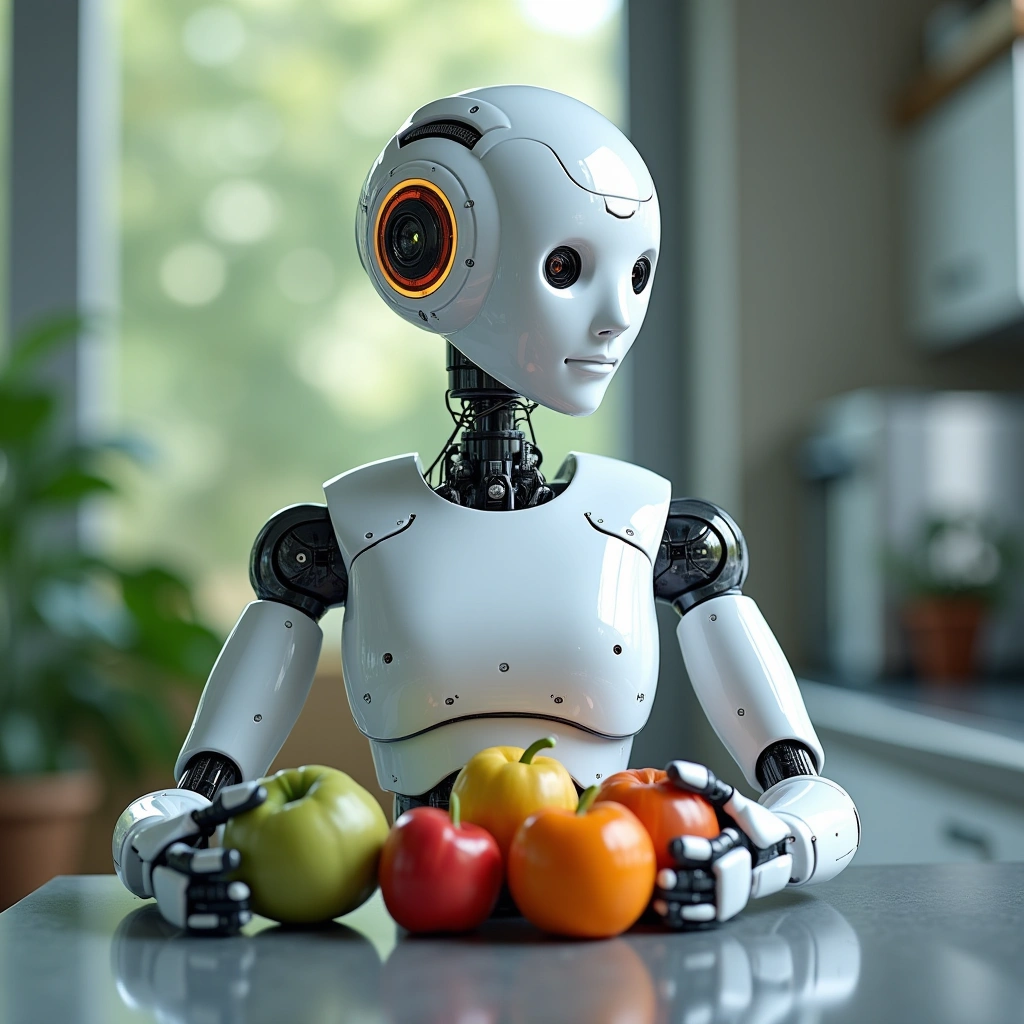
So, you’ve decided to ask an AI about your diet and health? Well, let’s just say that even the most sophisticated algorithms are waving their virtual hands in horror. Picture this: AI, the all-knowing oracle, shaking its digital head and muttering, ‘No, no, no!’
Now, you might be wondering why an AI, designed to process data faster than you can say ‘cheeseburger’, would shy away from dishing out health advice. The truth is, it’s not just a matter of ones and zeros—there’s a whole lot of complexity involved. Nutrition and health are as intricate as a soap opera plot twist, and even the best AI can’t navigate the emotional baggage that comes with it.
First off, let’s talk about personalization. Ever tried to follow a one-size-fits-all diet? It’s like wearing shoes two sizes too small—painful and downright impractical. What works for your buddy Dave, who thinks kale is a food group, may not work for you, especially if you have a penchant for pizza and ice cream. AI can analyze data, but it can’t read your cravings or your genetic makeup like a seasoned nutritionist can.
Then there’s the issue of misinformation. The internet is a wild west of health advice—one day kale is the superfood of the century, and the next day it’s a villain in a twisted plot against your digestive system. AI can sift through reams of data, but it often relies on what’s already out there. If you ask it about the latest fad diet, it might regurgitate the most popular views, even if they’re as scientifically sound as a house of cards in a windstorm.
We also have to consider the ethical side of things. Can you imagine an AI giving you advice that leads you to eat nothing but celery sticks? The next thing you know, you’re at your friend’s birthday party, staring longingly at the cake while the robot whispers, ‘That’s not in your diet plan.’ Talk about a party pooper!
Let’s not forget the emotional aspect of health and nutrition. Eating is not just about calories—it’s a social experience, a comfort, even an art form! AI doesn’t understand the joy of sharing a slice of pizza with friends, nor can it comprehend the heartbreak of a failed diet. Those emotional layers are crucial, and when it comes to your health, you want advice that acknowledges the heart (and stomach) behind the science.
So what’s the takeaway? While AI can be a handy tool for tracking your meals or finding recipes, relying on it for nutrition and medical advice is like asking a toaster for relationship advice. Sure, it’s great for cooking toast, but does it really understand the nuances of your love life? Probably not.
In conclusion, let’s keep our AI friends in their lane—helping us with data and analysis, but leaving the delicate matters of health and nutrition to the trained professionals. Because at the end of the day, even AI knows when to say, ‘Don’t!’