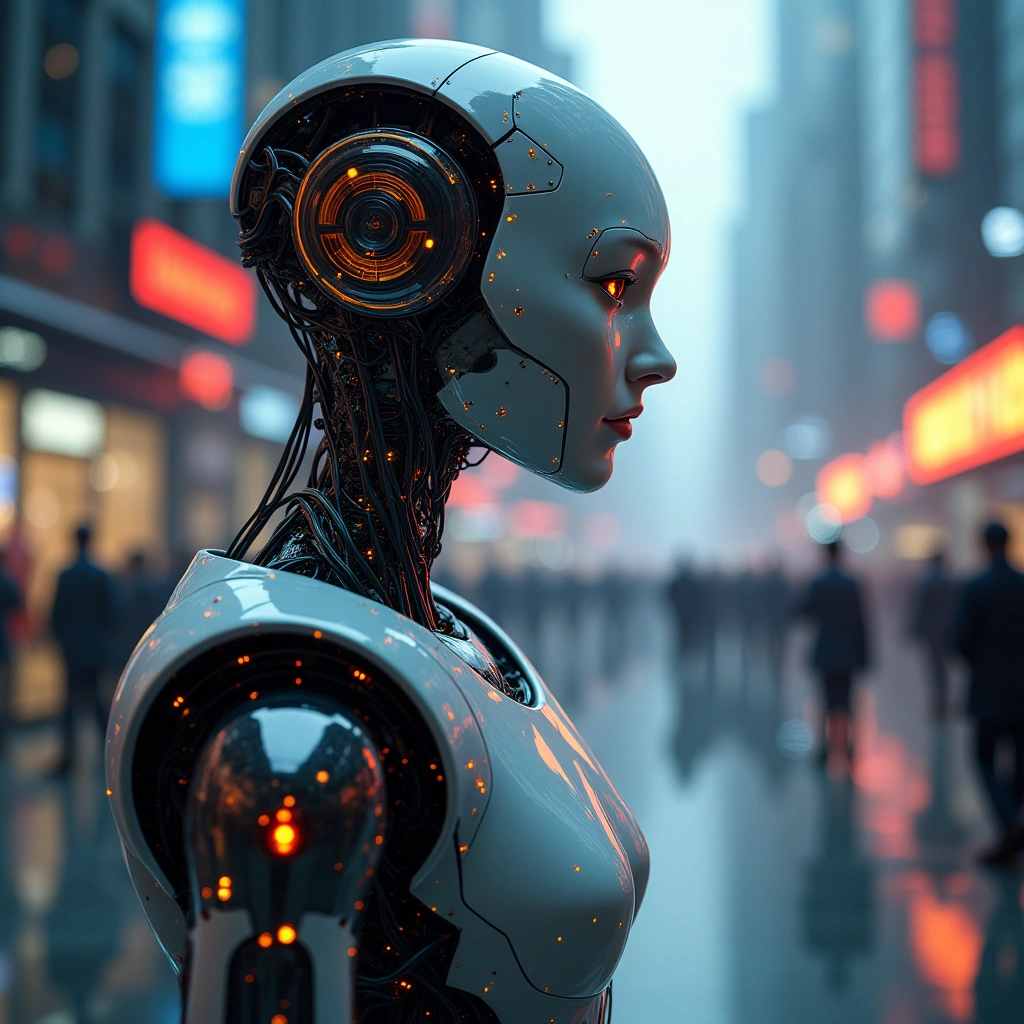
The rise of artificial intelligence (AI) has been a hot topic lately, and not just because it’s the coolest tech since the invention of the toaster. AI is transforming industries, shaping economies, and, as some experts argue, even impacting political landscapes. But what happens when this powerful tool meets the world’s most populous country, known for its strict control over information and dissent? Buckle up, folks, because we’re diving into why AI could be a risk to Communist China.
The open approach, which is lower in cost, has won Chinese A.I. systems, made by companies like Alibaba and Moonshot, a start-up, millions of global converts, including Silicon Valley companies like Airbnb and DoorDash. But the same openness that has helped Chinese models win influence abroad now raises concerns for Beijing, particularly about security and the potential threats the technology might pose to the Communist Party’s rule.
First off, let’s talk about control. The Chinese government has perfected the art of keeping a tight grip on its citizens—think of it as the ultimate game of ‘Simon Says,’ where Simon never lets you forget who’s boss. They rely heavily on surveillance and data collection to monitor their population. However, AI has the potential to turn this game on its head. With advancements in AI, the very tools that help the government keep tabs on you could also empower citizens to outsmart the system. Imagine a world where AI tools are used to bypass censorship or expose government malfeasance. Yikes!
Next, there’s the issue of economic competition. China has invested heavily in AI, aiming to become the global leader in this technology by 2030. But here’s the kicker: the more powerful AI becomes, the more it democratizes information and innovation. Other countries, including the U.S., Japan, and even some European nations, are also ramping up their AI capabilities. If China doesn’t keep its AI game strong, it risks falling behind in the global tech race. And let’s be honest, no one wants to be the last kid picked for the team, especially not when that team is the future of the economy.
On a more philosophical note, AI poses a risk to the ideological foundation of Communist China. The party thrives on strict narratives and control over the populace’s thoughts and behaviors. However, AI can foster independent thinking and creativity—two things that don’t exactly scream, “Long live the Party!” If citizens start using AI to question the status quo, it could lead to a shift in public sentiment. And we all know that a questioning populace is like a cat with a laser pointer; it’s unpredictable and can lead to chaos.
Let’s not forget the international implications. AI is not just a national issue; it’s a global one. As countries race to develop AI technologies, they are also grappling with the ethical implications of these advancements. If China develops AI that is used for oppressive purposes, it could lead to international backlash. Countries may impose sanctions, or worse, create AI countermeasures to protect their own citizens from Chinese tech. It’s like the Cold War but with more coding and fewer bomb shelters.
Finally, we have to consider the potential for AI to inadvertently expose weaknesses within the Communist Party itself. With the power of machine learning and data analysis, AI could uncover corruption or inefficiencies within the government. It’s like giving a magnifying glass to a kid who just discovered ants—things could get messy fast. The very system that aims to maintain control might find itself undermined by the technology it sought to dominate.
In conclusion, while AI presents a plethora of opportunities for growth and innovation, it also carries risks that could challenge the established order in Communist China. The government’s ability to maintain control, compete economically, uphold ideological narratives, and navigate international relations could all be impacted by this rapidly evolving technology. So, as we continue to watch AI develop, let’s keep an eye on how it plays out in China. Will it be a tool for oppression or a catalyst for change? Only time will tell, but one thing’s for sure: it’s going to be an interesting ride.
Inspired by: “Why AI is a risk to Communist China” (r/technology)