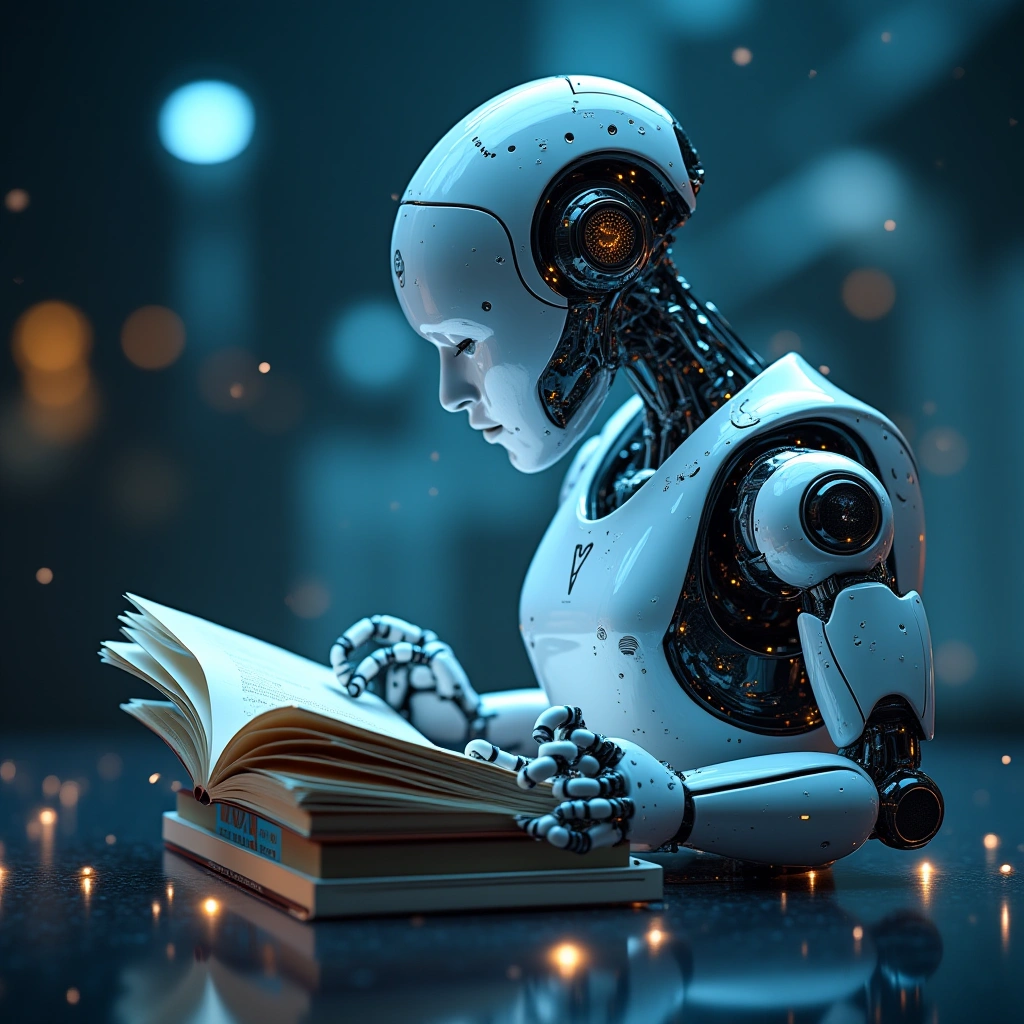
So, it seems the tech bros over at Reddit are scratching their heads, wondering why artificial intelligence hasn’t turned the literary world upside down. I mean, we’ve seen AI write everything from poetry to news articles, so why isn’t it penning the next great American novel or at least a decent self-help book? Well, the answer might be a bit more complicated than you’d think, and it all boils down to one key shortcoming: the inability of large language models (LLMs) to concentrate.
Hallucination is when an LLM generates information that is incorrect or not grounded in real data. This happens because LLMs don’ t retrieve facts—they predict the most likely next word based on patterns in training data. If the model lacks the right context or retrieval fails, it will still produce an answer that sounds plausible, even if it’s wrong.
Let’s break this down. LLMs, like the ones powering chatbots and various writing tools, are essentially glorified text generators. They analyze vast amounts of text data to predict and produce coherent responses. However, when it comes to crafting a book—especially one that’s engaging and maintains a cohesive narrative over hundreds of pages—things get tricky.
Imagine trying to write a novel while you’re distracted by a million notifications on your phone. That’s pretty much what LLMs are doing every time they generate text. They can’t focus on the central theme, character development, or even maintain a consistent tone over long stretches of text. Sure, they can whip up a killer first chapter, but by the time they get to chapter two, they’ve forgotten what the first one was about.
Now, some of the Reddit users in r/singularity pointed this out, and it’s a valid concern. These tech enthusiasts understand that writing a book isn’t just about stringing together sentences; it’s about crafting an experience, an emotional journey. And while LLMs might have a decent grasp of grammar and vocabulary, they lack the human touch—the ability to concentrate on the nuances of storytelling.
But let’s not throw the baby out with the bathwater. AI has made some impressive strides in the literary domain. For instance, it can help writers brainstorm ideas, generate outlines, or even edit drafts. Think of it as a very enthusiastic co-author who gets easily distracted. Need a catchy title? AI’s got your back. Want a plot twist? Just ask! But if you’re expecting it to write a bestseller from scratch, well, you might end up disappointed.
Another reason behind the lack of disruption in the book industry is the simple fact that reading is a deeply personal experience. People bond with books, their characters, and the emotions they evoke. Can an AI really replicate that? Probably not, at least not yet. We humans have a knack for infusing our work with our own experiences, dreams, and, let’s be honest, a little bit of existential dread. AI, on the other hand, has none of that—just a lot of data and a penchant for generating text like a caffeinated parrot.
In conclusion, while tech bros may be eager for AI to revolutionize the world of books, we’re still waiting for LLMs to concentrate long enough to write something worthy of being on a shelf. For now, it seems the book industry is safe from a massive AI takeover. So, keep that library card handy; you’ll still need it for a while longer.
Inspired by: “Tech bros puzzled by why AI hasn’t “massively disrupted” books yet — The answer, as some pointed ou…” (r/technology)