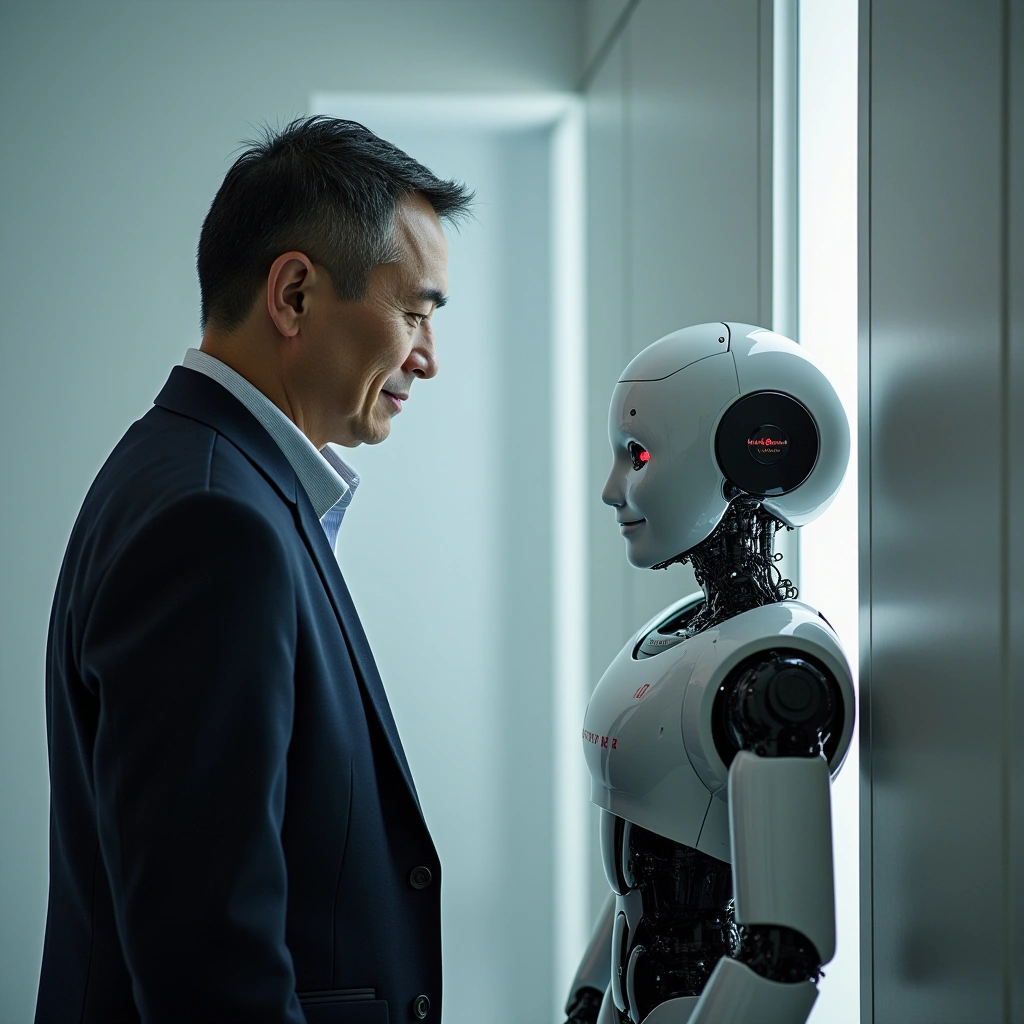
Ah, technology! That magical world where your vacuum cleaner might just be smarter than you. But when it comes to emotional support for our aging population, the advances in AI bring some questionable comfort. Let’s dive into the fascinating, and slightly bizarre, world of robots stepping in where humans once stood, particularly in the context of China’s rapidly aging society.
Related reading: Original source
Picture this: your grandma, a feisty lady who once fought off a bear with nothing but her knitting needles, now finds herself in a shiny retirement home. Instead of a lively chat about the good old days, she’s got a robot named Robi 3000 offering her the latest in digital bingo. Sure, it’s great that technology is helping, but can a robot really replace the warm hug or the ear-to-ear smile of a loved one? Spoiler alert: Nope!
In China, the elderly population is skyrocketing faster than you can say “AI-assisted bingo.” With the aging demographic, families are becoming smaller and more dispersed, leading to an increased reliance on technology. While AI can help with tasks like medication reminders or basic companionship, it lacks the human touch that’s irreplaceable. Can Robi 3000 crack a joke or share a heartfelt story? Nope! It’s just there to beep and dance, which, let’s be honest, is a little less comforting when you’re feeling lonely.
Now, let’s talk about emotional labor. Traditionally, this is the work that goes into managing feelings—yours and others’—often performed by women in caregiving roles. With AI stepping in, we could argue that it’s taking a hefty slice of that emotional labor pie. Sure, robots can help with tasks, but they miss out on the genuine connections that come from human interaction. You can’t exactly pour your heart out to a machine without it either short-circuiting or giving you a blank stare.
So, what’s the solution? Well, it’s not as simple as saying, “Let’s just stick to humans!” because let’s be real, the world is changing faster than you can say “robot uprising.” We need to find a way to integrate AI as a supplement to human care, rather than a replacement. Maybe robots can handle the mundane tasks, while humans tackle the emotional side. Imagine a system where Robi 3000 manages the bingo, and your loving family member calls in every Sunday for a good old chat. That’s a recipe for a happier, healthier aging population!
In conclusion, while AI can bring some benefits to the table (or bingo hall), it’s critical to remember that nothing can truly replace the emotional labor provided by human beings. So, let’s embrace technology but keep our hearts open for the real deal. After all, nobody wants to have a heartfelt existential crisis with a robot—unless it’s programmed to tell dad jokes!
Inspired by: “"The Robot Helps, But It’s Not the Same as Someone Staying:" AI, Aging, and the New Frontline of Em…” (r/technology)