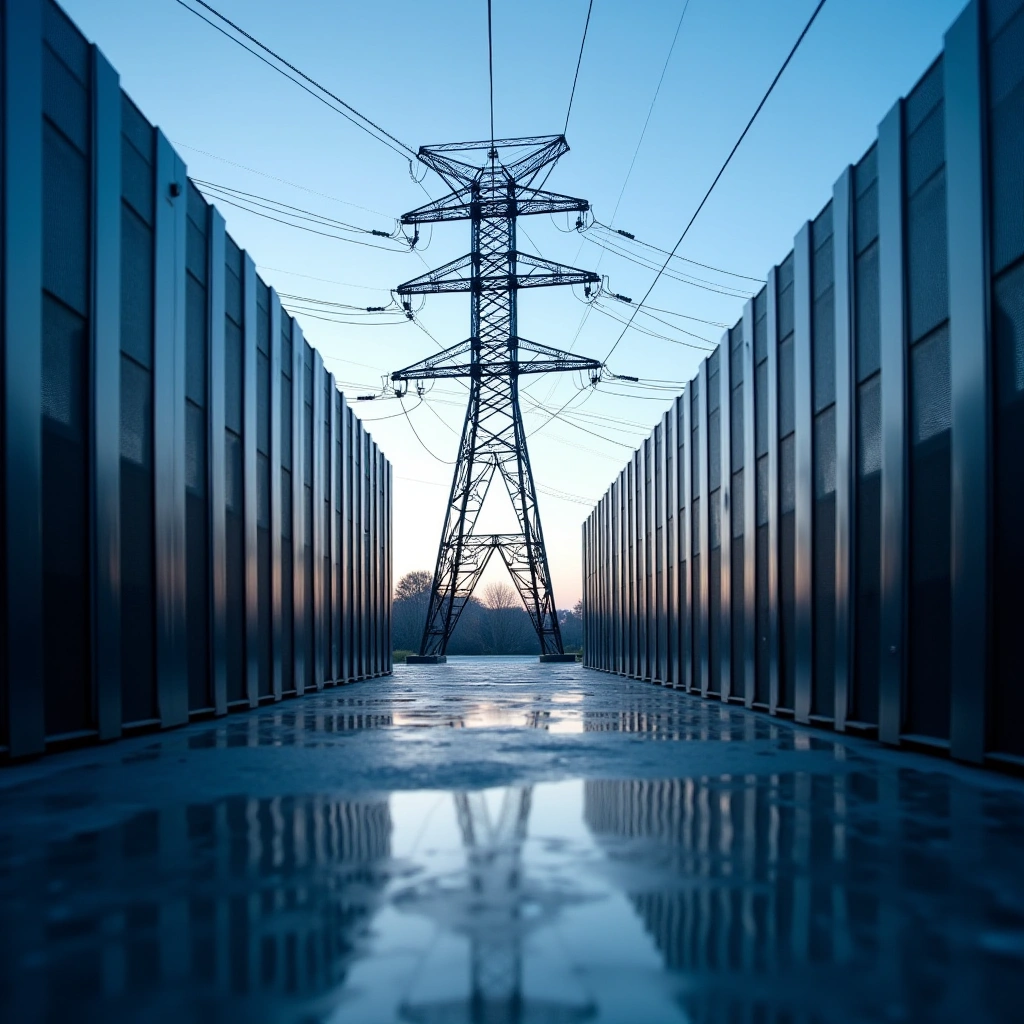
So, you’ve just settled into your cozy little home, maybe planted some daisies in the front yard, and you’re feeling pretty good about life. But then, out of nowhere, you get a knock on the door from a power company rep, and they’re talking about transmission lines. Not just any transmission lines, but those that could run right through your property. Cue the dramatic music, right?
In 2024 they accounted for more than 4% of the nation’s total electricity use. Demand will grow as more are built. To meet this demand, power companies must build more transmission lines – and acquire land to put them on.
Now, you might be thinking, ‘Not on my watch!’ You refuse, you cross your arms, and you might even throw in a dramatic flair—perhaps a stern ‘over my dead body!’ But here’s the kicker: power companies might just decide that your refusal is more of a suggestion than a hard no. Yes, you heard that right. They can sometimes force these lines through anyway.
Let’s break this down. First off, what on earth is a data center transmission line? It’s essentially the infrastructure needed to keep our digital lives humming along smoothly. Think of it as the highway for all the data traffic that keeps Netflix streaming, emails flying, and cat videos loading at lightning speed. With the explosion of data centers (thanks, cloud computing), the demand for these lines has skyrocketed. And guess what? They need to go somewhere—like, say, your backyard.
Now, under normal circumstances, one might think that property rights mean something. You know, that little thing called the Fifth Amendment? It’s supposed to protect us from having our property taken without just compensation. But apparently, there’s a loophole big enough to drive a semi-truck through—or in this case, a hefty transmission line.
Power companies can seek easements, which is just a fancy term for a right to use someone else’s land for a specific purpose. If they can convince a court that the public good outweighs your personal good, they might just win the right to plow that line straight through your garden of daisies. And let’s be honest, it’s hard to argue against ‘the public good’ when it usually involves something as vital as electricity.
So, what can you do if you find yourself in this predicament? First, educate yourself about your local laws. Not the most thrilling read, but it’s better than watching paint dry. Knowing your rights can empower you to negotiate better terms or even challenge the company’s plans. You might also want to rally your neighbors—there’s strength in numbers, and it’s always nice to have a mini protest party with some homemade cookies.
If all else fails, consider consulting with a lawyer who specializes in property rights or eminent domain. Yes, I know, lawyers can be expensive, but think of it as investing in your property’s future. Plus, they can help you understand the compensation you might be entitled to if the power company does get their way.
In the end, it’s a real balancing act between progress and personal rights. The digital world is expanding faster than a kid at an all-you-can-eat buffet, and sometimes that means our backyards become battlegrounds. So next time someone from the power company rings your doorbell, you might want to think twice before slamming the door in their face. After all, they might just be looking to run a power line through your garden. And who wants to be the person who becomes the reason their neighbor’s Netflix buffer spins endlessly?
Remember, knowledge is power—just not the kind that’ll keep your lights on if you refuse to budge. Stay informed, stay engaged, and maybe, just maybe, you’ll keep those transmission lines out of your daisy patch.
Inspired by: “Refuse a data center transmission line on your property, and power companies may force it through a…” (r/technology)