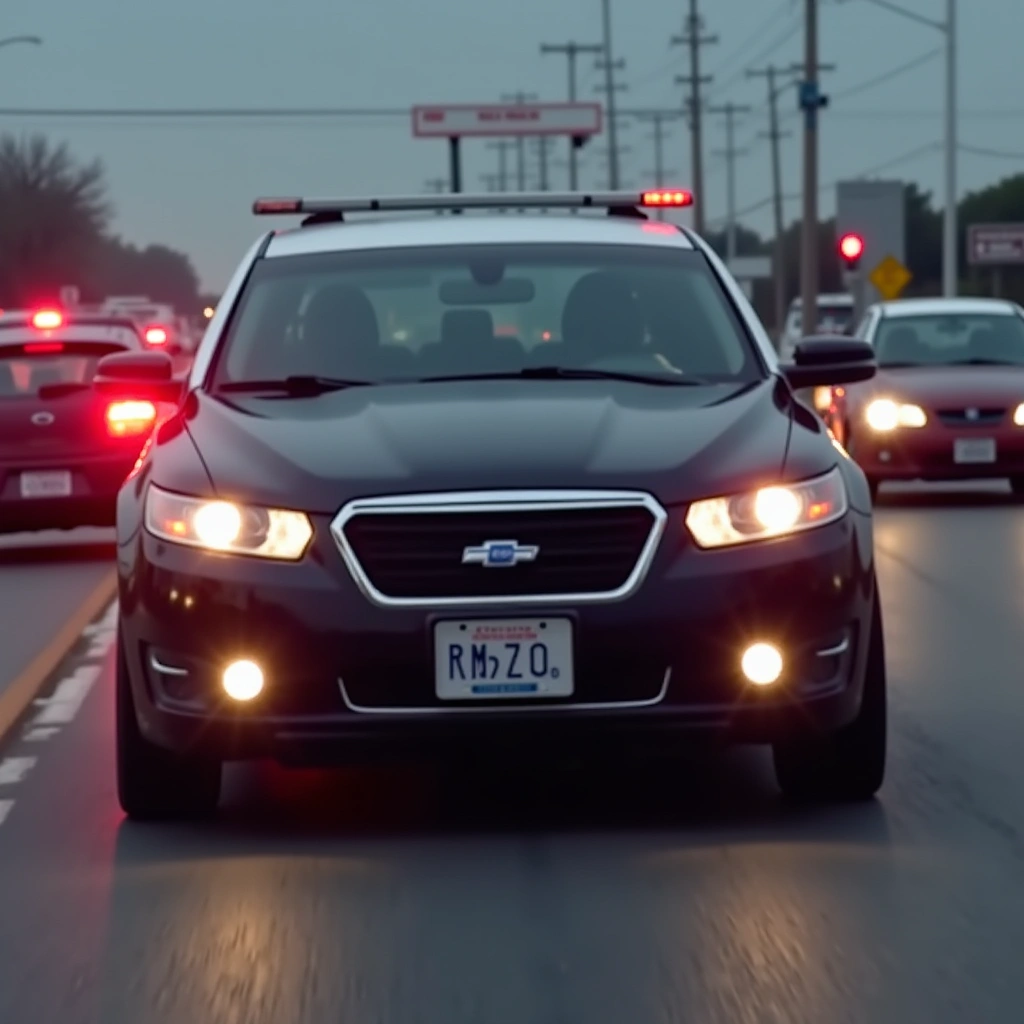
In a world where privacy is becoming a luxury, a recent incident in Texas has raised eyebrows—and not just because of the heat. A Texas police officer reportedly searched license plate camera data nationwide to track down a woman who had an abortion. Yes, you read that right. Apparently, when it comes to reproductive rights, some folks think it’s okay to play detective with our personal lives.
In a chilling sign of how far law … in Texas searched data from more than 83,000 automated license plate reader (ALPR) cameras to track down a woman suspected of self-managing an abortion….
Now, let’s take a moment to digest this. A cop, armed with the power of technology and a questionable sense of priorities, decided to go on a nationwide scavenger hunt for a woman who made a deeply personal choice. One can only imagine the conversation that led to this decision. “Hey, partner, I know we have real crimes to solve, but have you heard about this lady who had an abortion? Let’s track her down using license plate cameras!”
Because nothing screams ‘protect and serve’ like hunting down individuals for their medical decisions, right?
This incident shines a glaring light on the growing concerns about surveillance and privacy in our daily lives. License plate cameras, initially installed to catch speeding cars and criminals, are now being wielded like a digital magnifying glass for police officers to scrutinize citizens’ personal choices. Who knew that the same technology used to catch a car thief could also be used to invade someone’s privacy over an abortion? It’s almost like a plot twist in a bad crime drama.
But here’s a fun fact: tracking someone across state lines because of their personal healthcare choices is not just invasive; it’s also a legal gray area. Many states are still wrestling with the implications of laws surrounding reproductive rights. So, while this Texas cop may have thought he was doing the right thing, he might just have opened a can of worms that even the best legal minds can’t figure out.
And let’s not forget the emotional toll this could take. Imagine being a woman who has made a choice about her body—one that is often fraught with emotional and psychological implications—and then finding out that a stranger in uniform is tracking your movements like you’re a fugitive. It’s like a bad episode of a reality show no one signed up for.
On a lighter note, the fact that this cop had the time and resources to search nationwide license plate cameras for a single individual makes you wonder what else he could be doing. Maybe he could help solve some cold cases or, I don’t know, focus on actual crimes? But hey, I guess when you’re in law enforcement, you might as well make your own priorities, right?
As we continue to navigate these murky waters of privacy and personal choice, it’s crucial to have conversations about how technology should be used—especially when it comes to sensitive issues like reproductive rights. The last thing we need is a world where our decisions about our bodies are monitored by the same cameras that catch speeding tickets.
So, the next time you see a license plate camera, remember: it’s not just about catching the bad guys. It could also be about tracking down someone who dared to exercise their right to choose. And that, my friends, is a whole new level of surveillance that we should all be concerned about.
Inspired by: “A Texas Cop Searched License Plate Cameras Nationwide for a Woman Who Got an Abortion” (r/technology)