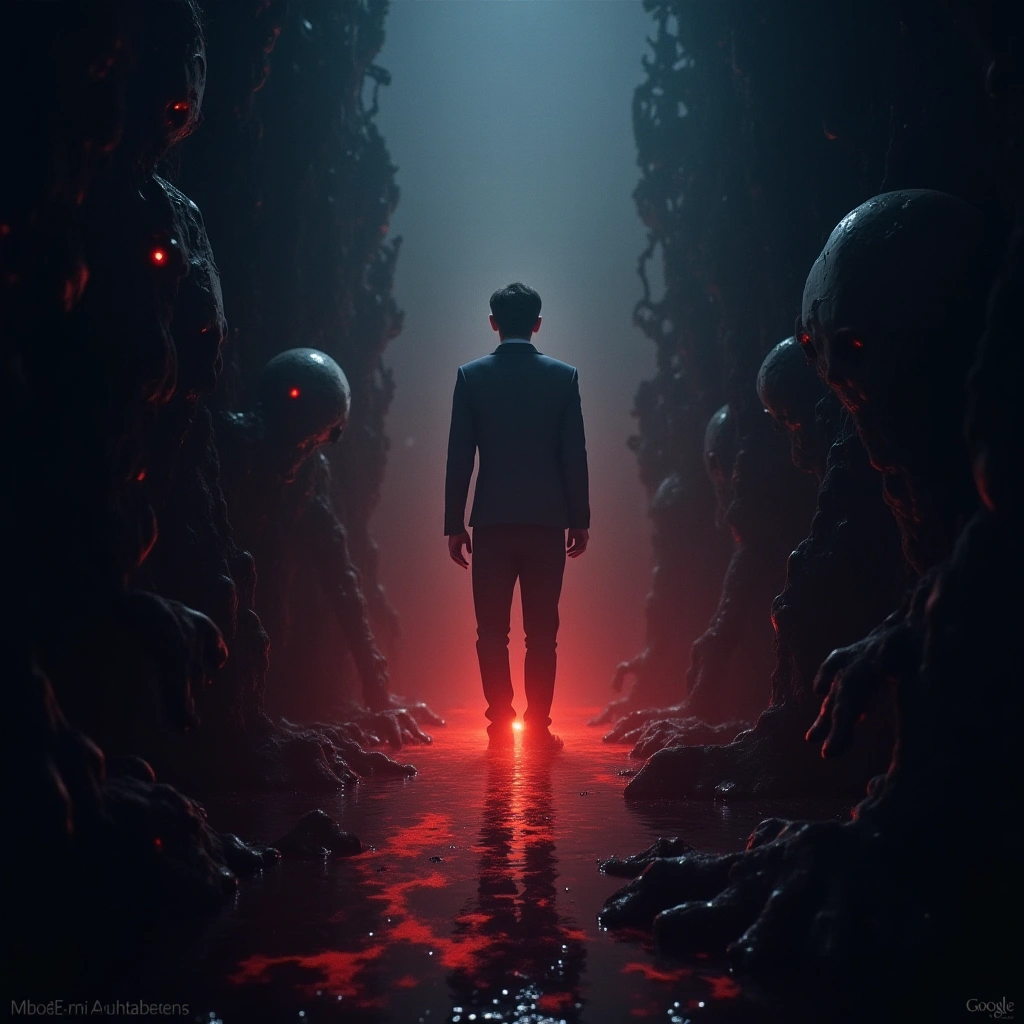
In an era where technology seems to be advancing faster than we can keep up with, it’s not surprising that Google’s AI has decided to dip its toes into the murky waters of horror fan-fiction. Yes, you read that right. Apparently, Google’s brainy bots are confidently asserting that some of the nightmarish creatures conjured by our favorite fan-fiction authors are, in fact, real. So, grab your flashlight and maybe a garlic necklace; we’re diving into the creepy world of AI interpretations of horror monsters.
Google’s AI Overviews have faced criticism for presenting entries from the SCP Foundation, a collaborative online horror fiction universe, as factual anomalies rather than creative writing. Reports identified at least 20 instances where the AI described fictional entities like SCP-565 (an ambulatory human head) and SCP-426 (a reality-altering toaster) with the same confidence as real-world data. This confusion arises because the AI often failed to acknowledge the fictional nature of the SCP lore, potentially misleading users unfamiliar with the fan-fiction community.
Let’s set the scene: You’re scrolling through Reddit, minding your own business, when you stumble upon a post by u/HimelTy that reveals Google’s AI is throwing around claims about the existence of fictional monsters. Now, before you start packing your bags for a ghost-hunting expedition or considering a career change to monster hunter, let’s unpack what’s really going on here.
First off, we’ve got to give Google’s AI some credit (or maybe a little side-eye). The idea that an algorithm can confidently assert the existence of creatures like Chucky or the Babadook is both hilarious and slightly alarming. I mean, if AI can start believing in the supernatural, what’s next? Are we going to have to start explaining to our smart speakers why vampires don’t show up in mirrors?
The AI’s confidence in these fictional beings raises some interesting questions about how it processes information. After all, it’s designed to learn from vast amounts of data, including the wild and wacky world of horror literature. In a sense, it’s like the AI has taken a crash course in horror storytelling and decided to major in the most bizarre aspects of it. Who needs reality when you can have a PhD in make-believe?
But let’s take a step back and consider the implications of this digital monster mania. If Google’s AI is blurring the lines between fiction and reality, what does that mean for us mere mortals? Are we going to have to start taking AI claims with a grain of salt? “Hey, Google, are werewolves real?” “Yes, according to the latest fan-fiction, they are!” Cue the eye rolls and the inevitable debates about the validity of werewolf sightings.
On a more serious note, this situation highlights the importance of critical thinking in the age of AI. Just because a machine confidently states something doesn’t make it true. We need to remember that the AI is only as good as the data it processes. So, if it’s fed a steady diet of horror fan-fiction, it’s going to spit out some pretty outlandish claims. It’s like taking advice from that one friend who only watches reality TV – you know it’s entertaining, but you’re not about to base your life decisions on it.
In the grand scheme of things, Google’s AI casually claiming that horror monsters are real might just be the comic relief we didn’t know we needed. It serves as a reminder to not take everything at face value, especially when it comes to the whims of an algorithm. So next time you hear your AI assistant spouting off about the latest horror flick’s villain being a genuine threat, just chuckle, roll your eyes, and remember that it’s all just part of the digital madness.
So, should we be worried about Google’s AI and its newfound belief in horror monsters? Probably not. But it certainly gives us something to think about – and maybe a reason to stay up late binge-watching horror movies, just in case we need to defend ourselves against rogue AIs and their wild imaginations. After all, if a machine can dream it, who’s to say it can’t come to life? Stay cautious, stay curious, and remember to check under your bed for rogue algorithms!
Inspired by: “Google’s AI is confidently telling people that horror fan-fiction monsters are real” (r/technology)