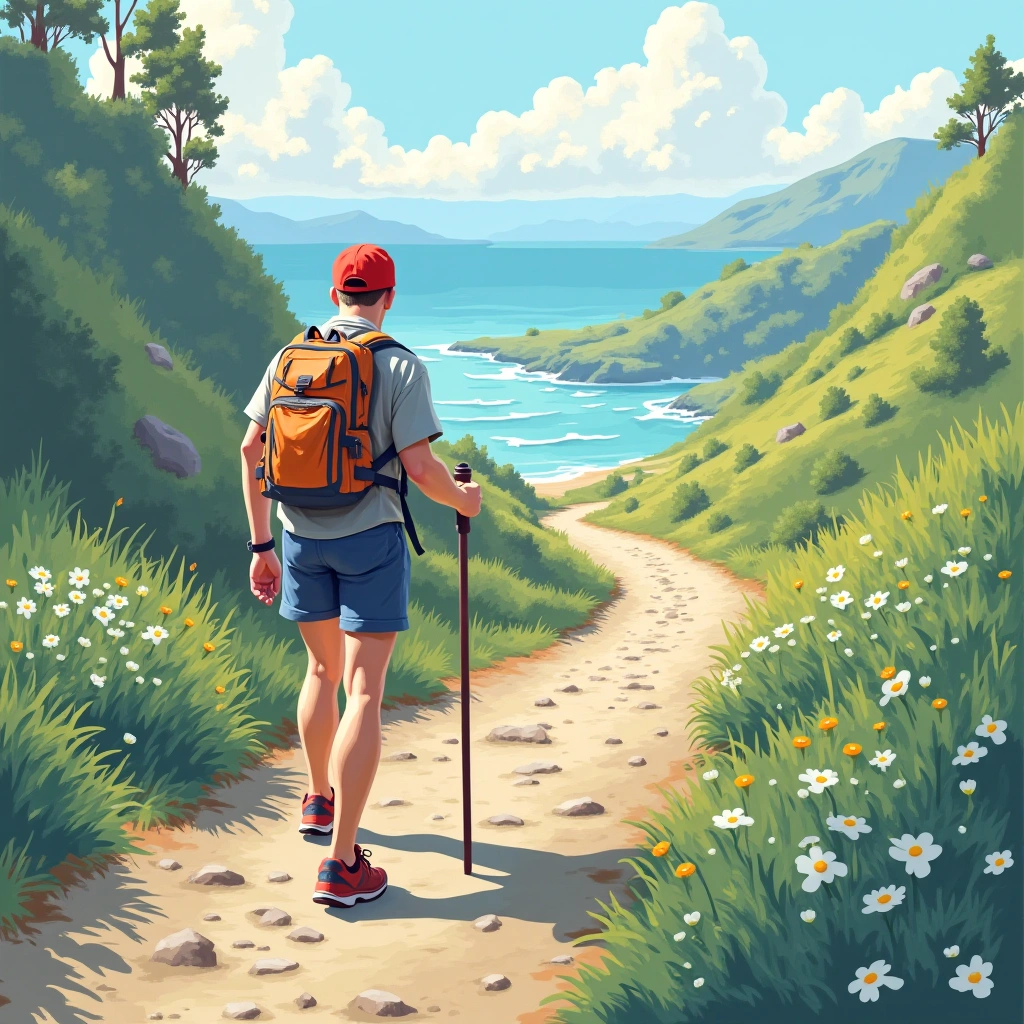
So, you’ve decided to take a hike. You fire up Google Maps, type in your destination, and it confidently tells you that the trek will take about five hours. Sounds reasonable, right? Well, apparently, not always. This is the tale of a group of hikers who learned the hard way that Google Maps might not be the best hiking buddy.
I need a route plan, can’t get it any longer, who ever is the map person? FIRE HIS ASS !!!!!!! … It’s not the location tracking that’s the problem I’m encountering. Maps shows much longer times for the usual routes, sometimes 3-4 times the minutes. THAT isn’t about distance and time. It’s about some kind of miscalculation within the app.
Picture this: a group of outdoor enthusiasts, perhaps a little too trusting of their digital companions, sets out on what they assumed would be a leisurely five-hour hike. They probably envisioned themselves basking in nature, taking selfies with majestic mountain views, and maybe even encountering a friendly deer or two. Instead, they were greeted by B.C. rescuers who had a rather different perspective on their hiking timeline.
As it turns out, the hike was not just a casual stroll in the park. It was more of a rugged, sweat-inducing, calf-burning adventure that would have made even the most seasoned hikers reconsider their life choices. The rescuers, with their well-honed survival instincts and a dash of sarcasm, pointed out just how wrong Google Maps had been. Apparently, five hours in the great outdoors can quickly morph into an all-day expedition when you factor in elevation changes, trail conditions, and, oh yes, the occasional wrong turn.
Now, let’s pause for a moment and consider the implications of this situation. Google Maps is usually our go-to for directions, whether we’re searching for the quickest route to the nearest taco truck or trying to avoid traffic on our way to work. But when it comes to hiking, it seems that relying on an app that primarily caters to cars can lead to some rather comical—and potentially dangerous—outcomes.
The hikers in question were likely blissfully unaware that their tech-savvy navigation might not have had the best grasp on the terrain. Maybe they were too busy imagining their post-hike pizza feast to think about the steep inclines and rocky paths ahead. And who could blame them? After all, when was the last time Google Maps suggested you pack a snack or bring extra water?
In a world where we’ve grown accustomed to instant gratification and quick answers, it’s easy to forget that nature doesn’t always play by the same rules as our favorite apps. The wilderness has its own rhythms, and sometimes, those rhythms involve a lot more sweat and swearing than our digital maps would lead us to believe.
So, what’s the takeaway from this little adventure? First and foremost, don’t just trust Google Maps with your life—or your hike. If you’re planning an outdoor excursion, do a bit of research on the trail and its conditions, consult local hiking guides, or even better, ask a friend who actually knows what they’re talking about. And while you’re at it, maybe consider bringing a compass and a map, you know, just in case your phone decides to take a vacation.
In conclusion, while technology is fantastic and can enhance our hiking experiences, it’s not infallible. Sometimes, it’s best to leave the pixelated paths behind and embrace the unpredictability of the great outdoors. After all, a little adventure (and a lot of exercise) never hurt anyone—just ask those B.C. rescuers who had to save the day. Happy hiking, and may your Google Maps always be a little more accurate than five hours!
Inspired by: “Google Maps said a hike would take 5 hours. B.C. rescuers pointed out how wrong that was” (r/technology)